
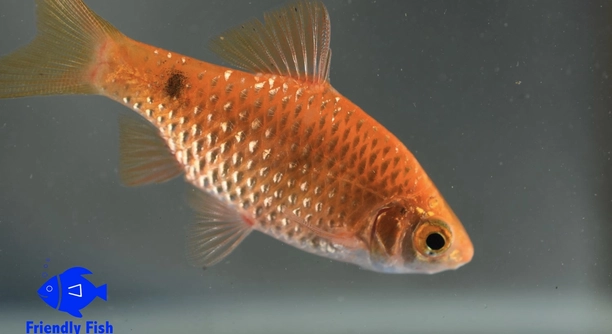
Do your rosy barbs seem restless or irritated even though you’ve set up what seems like a perfect tank for them?
Rosy barbs often experience stress due to common tank issues such as poor water quality, overcrowding, incorrect temperature, lack of enrichment, or incompatible tank mates. These conditions disrupt their natural behavior and overall well-being.
Learning how each of these factors affects your fish can help you make simple changes for a healthier, calmer aquarium.
Poor Water Quality
Rosy barbs are sensitive to changes in water quality. Ammonia, nitrite, and nitrate levels can rise quickly, especially in small or overcrowded tanks. If not monitored, poor water conditions can lead to stress, illness, and even death. These fish need clean, stable water with good filtration and regular maintenance. Tap water should be treated to remove chlorine and other harmful chemicals. Testing your tank water weekly helps catch problems early. A basic test kit will check the essentials like pH, ammonia, nitrite, and nitrate. Rosy barbs prefer slightly acidic to neutral pH and temperatures between 72–78°F. Frequent water changes—about 25% per week—help keep things balanced. Avoid overfeeding, as uneaten food quickly breaks down and affects water clarity and quality. Also, clean the filter gently to avoid removing beneficial bacteria. These small efforts make a big difference in keeping rosy barbs comfortable and healthy.
Skipping weekly maintenance can allow harmful substances to build up, which directly affects their behavior and health.
A clean tank helps reduce stress-related issues such as fin nipping, dull colors, or erratic swimming. When rosy barbs are comfortable, they become more active and show brighter colors. You’ll also notice better social behavior, especially when they’re kept in small groups.
Overcrowding
Too many fish in one tank leads to constant stress. Rosy barbs need space to swim and interact without feeling confined or threatened.
When rosy barbs are placed in an overcrowded tank, several problems arise. First, water quality declines more quickly due to excess waste. Second, these fish can become aggressive or withdrawn when there isn’t enough room to establish territory. Rosy barbs are active swimmers and should be kept in tanks no smaller than 30 gallons, especially in groups. Keeping at least five to six of them allows for natural shoaling behavior, but more fish mean more space is needed. Crowded conditions may also lead to increased competition for food and a higher risk of injury from constant chasing. If your tank feels busy or the fish seem agitated, it’s a sign to reassess your stocking levels. Adding hiding spots or live plants may help slightly, but they are not a fix for lack of space. Proper tank size is essential.
Incompatible Tank Mates
Rosy barbs can be peaceful when kept in groups, but they may become fin nippers around slower or long-finned fish. Choosing the wrong tank mates can lead to stress, injury, or constant chasing.
It’s best to avoid housing rosy barbs with fish that are timid or easily stressed. Species like angelfish, bettas, or guppies are often poor choices. Instead, go for active, similarly sized fish that can hold their own. Good options include danios, tetras, or other barbs. Rosy barbs thrive in groups of their own kind, so keeping at least five together helps reduce aggression. Avoid mixing them with fish that require different water conditions, as this makes it harder to maintain a healthy balance. If your fish are constantly hiding, losing color, or have damaged fins, it’s likely due to poor tank mate compatibility. Making thoughtful choices early on can prevent ongoing stress and health issues.
Sometimes aggression happens even with compatible species, especially in cramped or under-decorated tanks. If you notice nipping or chasing, try rearranging the tank or adding plants to create more space and hiding spots. This can break up sightlines and help reduce tension between fish. In more serious cases, separating aggressive individuals may be the only option. Always monitor new additions closely.
Lack of Enrichment
A plain tank can cause rosy barbs to become bored or inactive. These fish are naturally curious and active swimmers, so they need a stimulating environment to stay happy and engaged.
Decor plays a big role in how your rosy barbs behave day-to-day. Smooth rocks, driftwood, and live plants give them places to explore and hide. Swimming through plant leaves or weaving between decorations keeps them active and reduces stress. Without enough stimulation, they may pace, hover in one spot, or act restless. Providing some movement, like a gentle filter current, also encourages exercise. Tank enrichment doesn’t mean overloading the space—just a thoughtful layout that supports natural behavior. Even switching up decorations during water changes can spark new interest. The goal is to mimic their natural habitat while keeping things safe and simple. An enriched environment helps them feel secure and more at ease in your care.
Wrong Water Temperature
Rosy barbs prefer stable temperatures between 72–78°F. Sudden drops or spikes outside this range can lead to stress, sluggish behavior, or even illness. A reliable heater and thermometer help keep the water temperature consistent throughout the day.
Cold water slows down their metabolism, while high heat reduces oxygen levels. Both extremes affect their health.
Bright or Inconsistent Lighting
Rosy barbs need a regular light cycle—usually 8 to 10 hours per day. Lights that are too bright, left on too long, or inconsistent can cause stress and affect their activity levels. Use a timer to keep lighting steady and predictable. Avoid placing the tank in direct sunlight, which causes algae growth and heat spikes. Providing shaded spots with floating plants or decorations helps fish retreat when they want a break from light. Brightness should be balanced to support live plants without overwhelming the fish. Consistent lighting helps regulate their routine, making them more active and comfortable throughout the day.
Strong Water Flow
Rosy barbs enjoy swimming but may struggle with a strong current. Too much water movement can cause stress and force them to hide or rest more often.
FAQ
Why are my rosy barbs chasing each other all the time?
Chasing is normal if your rosy barbs are establishing a pecking order or engaging in mating behavior. However, constant chasing can also mean there are too few of them or the tank is overcrowded. Rosy barbs feel safer and more settled in groups of five or more. If you only have two or three, the dominant one may keep harassing the others. In some cases, poor water conditions or lack of hiding spots can also increase aggression. Make sure your tank is large enough, has proper enrichment, and meets their water quality needs.
Why do my rosy barbs hide all the time?
Hiding constantly often points to stress. Check the water quality, temperature, and tank size first. Also, think about what kind of tank mates you have. Aggressive or fast fish can make rosy barbs retreat more than usual. Lighting may be another factor—too bright or inconsistent light can cause fish to seek cover. Try adding plants or decorations that offer safe places to rest. When everything is balanced, rosy barbs should swim out more often and stay active throughout the day.
What tank size is best for rosy barbs?
A 30-gallon tank is the minimum size for a small group of rosy barbs. Since they are active swimmers, more space is always better. A long tank with horizontal swimming room works well. If you plan to keep more than five or want to add other species, upgrade to a larger size. Overcrowding can lead to poor water quality, aggression, and stunted growth. A roomy tank helps support healthy activity and reduces territorial behavior. Always plan your tank size based on adult fish size, not juveniles.
Can rosy barbs live with other types of fish?
Yes, but you need to choose tank mates carefully. Rosy barbs are semi-aggressive and active, so they don’t mix well with long-finned or slow-moving species like bettas or angelfish. Good companions include danios, other barbs, loaches, or certain types of tetras. Avoid very small or overly shy fish. The key is to keep fish that can handle the same water conditions and activity level. Having enough space and hiding spots also helps prevent stress and conflict among tank mates.
How often should I feed rosy barbs?
Feed your rosy barbs once or twice a day, offering only as much food as they can eat in about two minutes. Overfeeding leads to waste buildup and poor water quality. Use high-quality flakes or pellets, and supplement with frozen or live foods like bloodworms or brine shrimp for variety. Varying their diet keeps them healthy and more colorful. If you notice food sinking to the bottom uneaten, you’re probably giving too much. A consistent feeding schedule with proper portions helps them stay active and reduces health problems.
Why do my rosy barbs lose their color?
Dull or faded colors often signal stress. This could be caused by poor water quality, wrong temperature, or tank mate aggression. It might also happen after a recent tank move or change in environment. Make sure all the conditions are stable—test the water, check the temperature, and avoid sudden changes. A healthy diet also helps maintain vibrant colors. When rosy barbs feel safe and are well cared for, their colors usually return in a few days to a week.
Do rosy barbs need a filter?
Yes, they do. A good filter keeps the water clean and provides oxygen. Rosy barbs are messy eaters, and their waste can quickly affect water quality. Choose a filter that’s suited for your tank size and offers both mechanical and biological filtration. However, avoid filters that create strong currents—rosy barbs like some flow but not too much. A sponge pre-filter can help reduce the flow if it seems too strong. Regular cleaning of the filter is also important, but don’t rinse it with untreated tap water, as it can harm beneficial bacteria.
Final Thoughts
Keeping rosy barbs happy in a home aquarium takes some planning, but it doesn’t have to be hard. Most problems happen when basic care needs are overlooked—like water quality, tank size, or choosing the right tank mates. These fish are hardy and active, but they do best when their environment matches their natural needs. Small changes, like checking the temperature regularly or adding more plants, can make a big difference in how your rosy barbs behave and feel. When they’re comfortable, you’ll see brighter colors, smoother swimming, and more social behavior among the group.
It’s also important to remember that rosy barbs are social fish. They need to be in small groups to feel safe and relaxed. A lonely or stressed barb can become aggressive or hide most of the time. Watching your fish closely can tell you a lot. If they seem less active, chase each other too much, or lose their color, something might be off in the tank. Try to catch these signs early so you can adjust things before they get worse. Regular water testing, feeding the right amount, and creating a balanced tank layout help prevent common problems from coming up.
Over time, you’ll learn what works best for your tank setup and your fish. There’s no perfect formula that fits every aquarium, but sticking to the basics gives you a strong foundation. A stable environment, enough space, and peaceful tank mates go a long way in keeping your rosy barbs healthy and active. These small steps not only improve their quality of life but also make the aquarium more enjoyable to watch. With consistency and attention to detail, you can build a tank that keeps your rosy barbs comfortable—and gives you peace of mind knowing they’re thriving.

Hello,
If you enjoy the content that we create, please consider saying a "Thank You!" by leaving a tip.
Every little bit helps us continue crafting quality advice that supports the health, happiness, and well-being of pets around the world, for pets of all shapes, sizes, and species.
We really appreciate the kindness and support that you show us!