
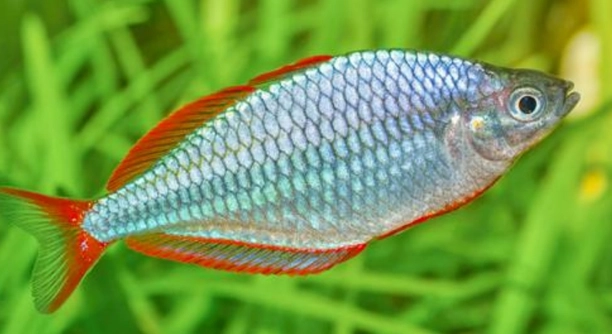
Rainbow fish are a popular choice for many aquarium owners, known for their beautiful colors and peaceful nature. However, there are certain tank habits that can annoy them. Understanding these can help improve their well-being and create a happier environment.
Common tank habits that annoy rainbow fish include poor water quality, overcrowding, and sudden changes in lighting. These factors can stress them out, affecting their health and behavior. Ensuring a stable and clean environment is essential for their happiness.
By making simple adjustments, you can create a better home for your rainbow fish. These changes will enhance their quality of life and lead to more vibrant, active fish. Keep reading to learn about the most common tank habits to avoid.
Poor Water Quality
Rainbow fish thrive in clean, well-maintained water. When the water quality is poor, these fish can become stressed, leading to health issues. Over time, water quality can deteriorate if you don’t monitor it closely. Fish produce waste, and uneaten food can break down, increasing ammonia levels. Without regular water changes and proper filtration, the tank becomes a breeding ground for toxins. These toxins are harmful to rainbow fish, causing them to lose their color and energy.
Keeping your tank water clean and clear is essential. Ensure you have a good filtration system that removes waste and toxins. Regular water changes are necessary, typically around 25% every 2-3 weeks. Testing water parameters like pH, hardness, and ammonia levels can help keep things balanced.
Maintaining water quality should always be a priority. If the water is cloudy or smells bad, it’s a sign of something wrong. A good filtration system can help eliminate waste, but proper care, like regular water changes and testing, is crucial to long-term fish health.
Overcrowding
Overcrowding is another issue that can cause stress for rainbow fish. When too many fish are in a small space, there isn’t enough room for each to feel comfortable. This can lead to fights, poor water quality, and illness. Rainbow fish are peaceful, but they still need their space to thrive.
To avoid overcrowding, calculate how many fish your tank can hold. A general rule is one inch of fish per gallon of water. This ensures that your rainbow fish have enough room to swim, rest, and socialize without feeling cramped. If you want to keep more fish, consider upgrading your tank size to provide a better environment.
Overcrowding can also affect water quality. More fish means more waste, which can quickly degrade the environment. Keeping your tank properly stocked and well-maintained prevents this issue. With the right balance, rainbow fish will be able to swim freely and live happily.
Sudden Lighting Changes
Rainbow fish are sensitive to changes in their environment, and sudden shifts in lighting can cause stress. While they can adapt to different light levels, abrupt changes can disrupt their day and night cycle. This can make them feel insecure and anxious, affecting their behavior.
To avoid stressing your rainbow fish, keep the lighting consistent. Use a timer for your tank lights to create a predictable day/night cycle. Gradually adjust the lighting if you need to change it for any reason, such as adding new plants or adjusting tank decor. This helps them adapt without shock.
If you notice your rainbow fish hiding more than usual or becoming less active, lighting changes might be the cause. Ensuring a steady light schedule promotes a calm environment. A consistent routine makes your fish feel safe, keeping them healthy and happy in their tank.
Uneven Tank Decorations
Tank decorations play a role in how your rainbow fish feel in their space. Uneven or poorly placed decorations can block their swimming areas, making them feel trapped or uncomfortable. They need ample space to explore, swim freely, and hide when needed. If the layout feels cramped, they may become stressed.
When arranging decorations, keep in mind that rainbow fish need both open swimming spaces and safe hiding spots. Try placing decorations in a way that allows easy movement while also providing shelters, like rocks or plants, for them to retreat to. This balance gives them a sense of security.
Additionally, make sure the decorations do not have sharp edges or rough surfaces. These could potentially injure your fish as they swim around. Smooth decorations or live plants provide the best options for creating a comfortable environment without harming your fish. A thoughtfully arranged tank will ensure that your rainbow fish feel both safe and relaxed.
Incorrect Water Temperature
Rainbow fish are very sensitive to water temperature. Too hot or too cold can make them uncomfortable, leading to stress or illness. Consistent temperatures in the tank help them stay healthy and active, as temperature fluctuations can disrupt their metabolism.
Make sure your aquarium has a reliable heater to maintain a steady water temperature. The ideal range for rainbow fish is between 72°F and 80°F (22°C to 27°C). Using a thermometer to monitor the temperature regularly will help you avoid any drastic changes that could harm your fish.
A stable water temperature is key to ensuring your rainbow fish remain energetic and colorful. Sudden shifts or extreme temperatures can weaken their immune system, making them more susceptible to diseases. Maintaining consistency helps them thrive in a stress-free environment.
Poor Tank Maintenance
Regular tank maintenance is crucial for keeping your rainbow fish healthy. Failing to clean the tank and check the equipment can result in poor water quality, which stresses the fish. Over time, waste and debris build up, affecting both the fish and the tank environment.
Cleaning your tank regularly by removing uneaten food and waste can prevent harmful toxins from developing. A good filtration system helps keep the water clear and healthy for your fish. It’s also important to rinse decorations and replace the filter media as needed to maintain water flow and cleanliness.
By sticking to a routine maintenance schedule, you’ll ensure a healthy habitat for your rainbow fish. This simple task keeps both the fish and the tank in optimal condition, preventing any issues that could stress your fish.
Aggressive Tankmates
Rainbow fish are peaceful creatures. When housed with aggressive or overly territorial fish, they can become stressed and hide more often. This stress can reduce their lifespan and dull their vibrant colors. Choosing compatible tankmates is essential for their well-being.
Make sure to avoid keeping rainbow fish with species known for being aggressive or overly dominant. Fish that constantly chase or nip at them will create an unpleasant atmosphere in the tank. Instead, choose calm and similarly peaceful species that will not stress your rainbow fish.
FAQ
How often should I change the water in my rainbow fish tank?
Water changes are essential for maintaining a healthy environment for your rainbow fish. A general guideline is to replace about 25% of the water every 2-3 weeks. However, if you have a heavily stocked tank or poor filtration, more frequent water changes may be necessary. Regular water changes help remove toxins like ammonia and nitrates, keeping the water clean and clear. Testing your water regularly for pH, ammonia, and nitrate levels can help you determine if more frequent changes are needed. Be sure to use a water conditioner to remove chlorine or chloramine from tap water.
What temperature should the water be for rainbow fish?
Rainbow fish prefer a water temperature between 72°F and 80°F (22°C to 27°C). It’s crucial to keep the temperature consistent, as sudden fluctuations can cause stress and harm the fish. A reliable heater with a built-in thermostat will help maintain the temperature within this range. Check the temperature regularly using a thermometer, especially if the room temperature fluctuates. If the water gets too hot, it can cause oxygen depletion, while colder water can slow down their metabolism and make them more susceptible to diseases.
Can I keep rainbow fish with other species?
Rainbow fish are peaceful and generally get along with other calm species. It’s best to house them with non-aggressive fish that won’t harass them. Avoid keeping them with large, territorial, or fin-nipping species. Some great tankmates for rainbow fish include peaceful species like tetras, guppies, and corydoras catfish. If you want to keep a mixed community tank, make sure each species is compatible with rainbow fish in terms of temperament and water conditions. When choosing tankmates, also consider the size of the tank, as overcrowding can stress all fish.
What should I feed my rainbow fish?
Rainbow fish are omnivores, meaning they need a balanced diet that includes both plant and animal matter. A variety of high-quality flake or pellet food will provide essential nutrients. You can supplement their diet with live or frozen foods, such as brine shrimp, daphnia, or bloodworms, which will encourage more vibrant colors and better health. Offer small portions of food 2-3 times a day, ensuring they can eat it all in a few minutes. Overfeeding can lead to poor water quality, so be mindful of how much food you add to the tank.
How do I prevent disease in my rainbow fish?
Prevention is key when it comes to keeping your rainbow fish healthy. Regular water changes, maintaining good filtration, and keeping the tank clean will help prevent many common diseases. Quarantining new fish before introducing them to the main tank can prevent the spread of infections. Additionally, feeding a well-balanced diet, reducing stress by avoiding overcrowding, and ensuring your fish have a stable environment will boost their immune system. If you notice any signs of illness, such as unusual swimming behavior, faded colors, or lesions, take action quickly by isolating the affected fish and researching the problem.
How can I make my rainbow fish more colorful?
The most vibrant colors in rainbow fish are often a sign of good health. To enhance their natural colors, provide them with a proper diet rich in nutrients, especially those that support their immune system. High-quality foods like spirulina, krill, and various color-enhancing flakes can help. Maintaining a stable tank environment, including good water quality and temperature, is also essential. Rainbow fish tend to show their best colors when they are kept in a calm, stress-free tank with proper lighting and adequate space to swim.
Why are my rainbow fish hiding?
If your rainbow fish are hiding more than usual, it could be a sign of stress. Stress can be caused by various factors, such as sudden changes in water parameters, poor water quality, or aggressive tankmates. Overcrowding can also lead to hiding, as the fish may feel they have no space to claim as their own. Check the water quality, temperature, and behavior of other fish in the tank to identify any problems. If everything seems fine, giving your rainbow fish some time to adjust to their environment should help them feel more secure and confident to swim out in the open.
What size tank do rainbow fish need?
Rainbow fish need space to swim, so it’s important to provide them with a sufficiently large tank. For a small group of rainbow fish, a tank size of at least 30 gallons is recommended. This allows enough room for them to move around comfortably and reduces the risk of overcrowding. If you plan to keep more fish or other species in the same tank, consider a larger tank to ensure all the fish have enough space. A larger tank also helps maintain water quality, as it can handle more waste without the water becoming toxic too quickly.
Can rainbow fish live with shrimp?
Rainbow fish can generally coexist with shrimp, but there are a few things to keep in mind. Some rainbow fish may nibble on small or juvenile shrimp, so it’s best to provide plenty of hiding places for the shrimp to escape. Shrimp also help maintain the cleanliness of the tank by eating leftover food, which can be beneficial for rainbow fish. If you’re concerned about the shrimp being eaten, choose larger shrimp species like Amano shrimp or Crystal Red shrimp that are less likely to become prey.
What do I do if my rainbow fish are not eating?
If your rainbow fish are not eating, it could be due to stress, poor water conditions, or illness. Start by checking the water parameters, including ammonia, nitrate, and pH levels. Poor water quality is a common cause of fish refusing to eat. If the water conditions are fine, observe your fish for any signs of disease, such as faded colors or abnormal behavior. Sometimes, offering a variety of foods or live foods can encourage them to eat. If the problem persists, consider consulting a vet or aquatic specialist.
Final Thoughts
Maintaining a healthy environment for rainbow fish involves understanding their needs and making adjustments when necessary. While these fish are generally hardy and easy to care for, there are certain tank habits that can cause them stress. By paying attention to water quality, temperature, tankmates, and the overall setup of the tank, you can avoid many of the common issues that affect rainbow fish. Small changes, like keeping the water clean or adjusting the lighting, can make a big difference in the well-being of your fish.
Creating the right environment for your rainbow fish also means avoiding overcrowding. While it might be tempting to add more fish to the tank, overcrowding can lead to poor water quality and stress. It’s essential to balance the number of fish with the size of the tank. Providing ample swimming space and hiding spots will help your rainbow fish feel secure and reduce the chance of aggression from other tankmates. A peaceful, well-planned tank setup is key to fostering a healthy environment for all the species inside.
Finally, don’t forget the importance of consistency in your tank care routine. Rainbow fish are sensitive to sudden changes in their environment, so keeping a regular schedule for water changes, feeding, and maintenance is crucial. Regularly checking the temperature, water quality, and observing the behavior of your fish can help you spot any issues early. By staying proactive and making sure your tank is stable, you ensure that your rainbow fish will remain vibrant, healthy, and happy for years to come.

Hello,
If you enjoy the content that we create, please consider saying a "Thank You!" by leaving a tip.
Every little bit helps us continue crafting quality advice that supports the health, happiness, and well-being of pets around the world, for pets of all shapes, sizes, and species.
We really appreciate the kindness and support that you show us!