
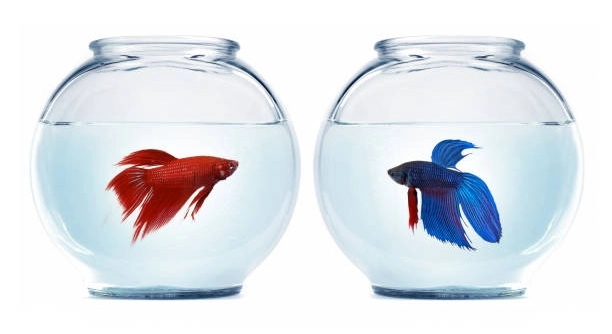
Betta fish are popular pets, known for their vibrant colors and unique personalities. However, many aquarium decorations can cause harm to them. It’s important to carefully choose tank items that promote a healthy and safe environment for these delicate fish.
Certain tank decorations can harm Betta fish by causing physical injuries, stress, or poor water quality. Sharp objects, rough textures, and overcrowded spaces may lead to injury, while excessive decorations can hinder their movement and overall well-being.
Choosing safe and suitable decorations can make a big difference in maintaining your Betta’s health. Let’s explore some common items that could pose risks and how to avoid them.
Sharp Objects and Rough Surfaces
Sharp objects like plastic plants or decorations with pointed edges are a significant risk to Betta fish. These sharp surfaces can easily tear their delicate fins, causing injury or infection. Betta fish are particularly vulnerable due to their long, flowing fins, which are prone to damage in confined spaces. Even if a decoration appears harmless, a single brush against a rough edge can cause tears that might not heal easily.
Soft, smooth surfaces are essential for your Betta’s tank. Consider switching to silk plants or decorations designed specifically for Betta fish to ensure they can swim safely. You may want to inspect new decorations carefully for any jagged edges before adding them to your Betta’s tank.
Choosing safer tank items ensures your Betta fish stays free from physical harm. Smooth, rounded decorations are best for preventing cuts and promoting a healthy environment. The next section highlights the importance of decoration size and layout to maintain a stress-free tank for your Betta.
Overcrowding Tank Space
Overcrowded tanks can lead to high stress levels for Betta fish, as they need space to swim freely. Too many decorations or poorly placed items can create cramped conditions. This limits your Betta’s ability to move around and thrive. Stress from limited space can weaken their immune system, making them more susceptible to disease.
It’s crucial to provide enough open space for your Betta to swim and explore without feeling trapped. While decorations can enhance the aesthetic of a tank, they should not dominate the space. Keeping the layout open helps your Betta feel secure and encourages natural behaviors, such as swimming and exploring.
When arranging your Betta’s tank, focus on balance. Add only a few decorations, ensuring plenty of open water areas for them to navigate.
Decorations That Trap Debris
Some decorations trap food and waste, leading to poor water quality. This is particularly true for hollow or intricate items with lots of crevices. Betta fish thrive in clean water, and any area that collects debris can cause harmful bacteria to grow. It’s essential to regularly clean these items to prevent build-up.
Cleaning your decorations helps maintain a healthy environment for your Betta. Consider using decorations that don’t have too many intricate details, which tend to trap waste. Instead, opt for smooth, easy-to-clean items that won’t contribute to the decline of water quality. If you have more complex decorations, cleaning them regularly will prevent bacteria and harmful substances from affecting your Betta.
Maintaining water quality is critical for Betta fish, as poor water conditions can lead to stress, illness, and even death. Avoid decorations that trap food particles, waste, or debris. This ensures that your Betta enjoys a clean, comfortable environment, and your tank remains free of harmful substances.
Plastic Decorations
Plastic decorations often seem like an easy solution for tank accessories, but they can be dangerous for Betta fish. The sharp edges and rough surfaces can cause fin tears and injuries. If the plastic is low quality, it may also leach chemicals into the water, which can be harmful to your fish.
When selecting tank decorations, always check the quality of the materials. High-quality plastic items should be smooth and free of any sharp edges. However, if you’re unsure about a decoration, it’s safer to avoid plastic altogether. Instead, opt for silk plants or natural materials like wood, which are much safer for Betta fish.
Choosing natural materials over plastic reduces the risk of injury to your Betta fish. Silk plants and natural decorations provide a safer environment. They are gentle on your Betta’s fins and fins, ensuring a long, healthy life.
Decorations That Block Water Flow
Certain decorations can block the flow of water in your Betta’s tank, leading to areas with poor circulation. This can cause stagnant water, which may result in the growth of harmful bacteria and algae. Betta fish need good water flow to stay healthy and active.
When setting up your Betta’s tank, ensure decorations do not disrupt the filtration system or water current. Proper circulation helps maintain clean water and promotes your Betta’s well-being. If necessary, adjust the placement of decorations or use smaller, more streamlined items that won’t interfere with the water flow.
Glittery or Shiny Decorations
Glittery or overly shiny decorations may seem visually appealing but can cause stress for Betta fish. The reflection from these items can confuse or frighten your fish, causing anxiety. Betta fish rely on their surroundings to feel secure, and bright, reflective surfaces can disrupt this sense of comfort.
Shiny items can make your Betta feel threatened and agitated. It’s important to choose decorations with softer colors or matte finishes that won’t create excessive reflections. This helps keep your Betta relaxed and confident in its environment, encouraging better health and activity levels.
Decorations with Harsh Chemicals
Some decorations, particularly those made from synthetic materials, can leach harmful chemicals into the water. These chemicals can negatively impact your Betta’s health, causing skin irritation or internal issues. To avoid this, always research the materials used in any decoration before placing it in the tank.
Opt for decorations that are labeled as aquarium-safe and free from toxic chemicals. Natural items like driftwood or safe stones are excellent alternatives. Avoid using painted decorations unless the paint is explicitly non-toxic and designed for aquarium use.
FAQ
What kind of decorations are safe for Betta fish?
Safe decorations for Betta fish include silk plants, smooth stones, and natural driftwood. These materials are gentle on their delicate fins and don’t pose a risk of injury. Look for aquarium-safe items that don’t have sharp edges or rough textures. Decorations that are easy to clean and don’t trap debris will also help maintain good water quality. Always ensure that any decoration you add to the tank has no harmful chemicals or rough surfaces that could harm your Betta.
Can I use glass decorations for my Betta tank?
Glass decorations can be safe for Betta fish as long as they don’t have sharp edges. Ensure that the glass is smooth and free from any cracks that could cause injury. However, large glass decorations can create limited swimming space, so it’s important not to overcrowd the tank. Glass items can be cleaned easily, but make sure they are well-maintained to prevent algae growth or bacterial build-up inside the tank.
How do I choose the right plants for my Betta tank?
When choosing plants, opt for soft silk plants or live plants with smooth leaves. Real plants like Java fern or Anubias are excellent choices because they provide hiding spots and help improve water quality. Avoid plastic plants with sharp edges as they can tear your Betta’s fins. Live plants also provide natural filtration, which benefits both your Betta and the overall tank environment.
Are caves or hiding spots necessary for Betta fish?
Yes, caves and hiding spots are important for Betta fish, as they need places to retreat when they feel stressed. These fish are territorial, and having a secluded area where they can hide helps reduce stress and gives them a sense of security. Ensure that the hiding spots are smooth and free from sharp edges to prevent injury.
Can Betta fish live with other fish in the same tank?
Betta fish are known to be territorial and can be aggressive, especially with other males or colorful fish. However, some species can coexist peacefully with Betta fish, such as peaceful bottom dwellers like Corydoras catfish or snails. Always monitor the interactions between fish and ensure that no aggression is occurring. In a community tank, it’s essential to provide plenty of hiding spots to reduce stress and territorial disputes.
How often should I clean the decorations in my Betta’s tank?
It’s a good idea to clean your Betta’s decorations every two to three weeks, or whenever you perform a water change. Use a soft brush or sponge to remove any algae or debris that might accumulate on the surfaces. For more intricate decorations, ensure you clean any crevices where waste can get trapped. Regular cleaning helps maintain water quality and prevents the growth of harmful bacteria.
Can I use plastic decorations with Betta fish?
Plastic decorations can be risky for Betta fish due to their sharp edges. Many plastic decorations have rough or jagged surfaces that can tear Betta fins. If you do choose plastic decorations, make sure they are specifically labeled as safe for Betta fish and don’t have any dangerous features. Silk or fabric-based decorations are often a safer choice.
Do Betta fish need swimming space?
Yes, Betta fish need ample swimming space to stay healthy. Overcrowding the tank with too many decorations or objects can limit their ability to swim freely. Betta fish are active swimmers, and restricted movement can lead to stress and poor health. Ensure that there’s enough open water area for them to navigate comfortably.
What are the signs that a decoration is harming my Betta?
If your Betta’s fins appear torn or damaged, it’s possible that a decoration is causing harm. Other signs include stress, such as erratic swimming, hiding more than usual, or showing signs of aggression. In some cases, the Betta may develop infections or irritation around the fins. If you notice these issues, remove the problematic decoration and observe if the behavior improves.
Are smooth, natural decorations better for Betta fish?
Yes, smooth and natural decorations are better for Betta fish because they reduce the risk of fin tears and other injuries. Materials like smooth stones, driftwood, and silk plants are safe options for creating a comfortable and stress-free environment. These types of decorations also promote natural behavior, such as exploring and hiding, without causing harm to your Betta’s delicate fins.
Should I use a substrate for my Betta tank?
Using a substrate is a personal choice. While Betta fish don’t need substrate for their health, a fine gravel or sand substrate can provide a more natural look to the tank. It also helps anchor live plants. If you choose to use a substrate, make sure it’s fine enough to avoid harming your Betta or causing issues with tank maintenance.
How do I know if a decoration is aquarium-safe?
Always check if a decoration is labeled as “aquarium-safe” before adding it to your Betta’s tank. This ensures it is free from harmful chemicals and designed for underwater use. Avoid items not specifically made for aquariums, as they may contain toxic substances that can leach into the water. If in doubt, research the material online or choose well-known brands with a solid reputation for creating safe aquarium products.
What types of rocks are safe for Betta fish?
Smooth, rounded rocks are generally safe for Betta fish. Avoid rocks with sharp edges that can cause injury. Natural stones like river rocks or slate are great choices, as they won’t damage the Betta’s fins. Always wash any rocks thoroughly before adding them to the tank to remove any dust or residue that could harm your fish.
Are floating decorations good for Betta fish?
Floating decorations can provide interesting features for your Betta, but they must be safe and not obstruct the surface area of the tank. Betta fish enjoy swimming near the surface, so items that float should not block this area. Floating plants, like Anacharis or duckweed, can mimic the Betta’s natural habitat and provide them with a resting place. Avoid large, bulky floating items that could overwhelm the tank.
Can I decorate my Betta tank with artificial coral?
Artificial coral should be avoided in a Betta tank because it often has rough or jagged surfaces that can tear fins. While coral can look visually appealing, it is not a safe choice for Betta fish due to the risk of injury. Stick to softer, smoother materials for safe, stress-free decorations.
Final Thoughts
Choosing the right decorations for your Betta fish tank is crucial for their health and well-being. While it’s tempting to add many beautiful and colorful items to create an appealing aquarium, the safety of your Betta should always come first. Decorations with sharp edges, rough surfaces, or harmful chemicals can cause serious harm to your fish. It’s important to select items that will not only enhance the appearance of the tank but also provide a comfortable and stress-free environment for your Betta.
When decorating your Betta’s tank, always prioritize their natural instincts and needs. Betta fish enjoy exploring their surroundings, but they also need places to hide and rest. Smooth, soft decorations such as silk plants or natural driftwood are ideal for this purpose. Avoid overcrowding the tank with too many objects, as this can reduce the swimming space your Betta needs. Keep in mind that Betta fish are solitary by nature, so it’s important to create a space where they feel secure and at ease.
Lastly, regular maintenance of your tank and decorations is essential. Cleaning decorations every few weeks will help prevent the build-up of harmful bacteria or algae, ensuring a clean and healthy environment for your Betta. Always check your decorations for any signs of damage or sharp edges that may develop over time. A well-maintained tank not only improves the quality of life for your Betta but also enhances the overall beauty of the aquarium. By choosing safe, functional decorations and regularly maintaining your tank, you can create a space where your Betta can thrive.

Hello,
If you enjoy the content that we create, please consider saying a "Thank You!" by leaving a tip.
Every little bit helps us continue crafting quality advice that supports the health, happiness, and well-being of pets around the world, for pets of all shapes, sizes, and species.
We really appreciate the kindness and support that you show us!