
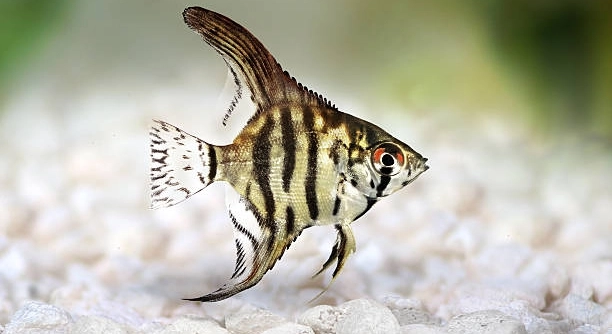
Angelfish are beautiful additions to any aquarium, but they can be vulnerable to certain tank conditions. Keeping them healthy requires understanding the environment they thrive in. Ensuring their tank is properly maintained is essential for their well-being.
Several tank conditions can negatively impact your angelfish’s health, including poor water quality, improper temperature, overcrowding, and inadequate filtration. These factors can lead to stress, weakened immune systems, and the development of diseases that can harm or kill your fish.
By addressing common tank issues, you can ensure a healthier, happier environment for your angelfish. These simple adjustments will help prevent illness and promote long-term well-being for your fish.
Poor Water Quality
Water quality is one of the most critical factors in keeping your angelfish healthy. If the water in the tank becomes polluted, it can lead to many issues. Ammonia, nitrites, and nitrates can build up from fish waste, uneaten food, and decaying plants. These substances are harmful to angelfish and can cause stress, weakening their immune system. Water changes should be done regularly to prevent toxins from accumulating. Also, it’s essential to check water parameters like pH, hardness, and temperature to ensure they’re in the proper range for angelfish.
Proper filtration helps maintain water quality, but regular cleaning is still necessary. Without this, harmful substances can quickly build up, affecting your angelfish’s health. You should also test the water regularly to catch any changes that may indicate potential problems.
A stable, clean environment is key to avoiding illness in your angelfish. Paying attention to the water quality can prevent many common health problems and ensure that your angelfish stay vibrant and strong.
Inadequate Temperature
Angelfish thrive in water temperatures between 76°F and 82°F. Any fluctuation outside this range can stress them out.
Maintaining a consistent temperature is vital. Sudden changes can lead to diseases or even death. A good quality aquarium heater will ensure the water stays at a stable temperature, reducing the risk of stress.
Overcrowding
Overcrowding can cause stress for your angelfish, making them more susceptible to illness. Angelfish need space to swim and establish territories. Too many fish in a tank can lead to aggression, competition for food, and a buildup of toxins from waste. Always ensure your tank has the right size for the number of fish it holds.
When fish are crowded, it increases the chance of spreading diseases. Angelfish can also have trouble finding food, which weakens their immune system over time. Keeping the right number of fish reduces stress and helps maintain good water quality.
It’s essential to research how many fish your tank can comfortably house. A larger tank with fewer fish is always better than a smaller one packed with fish. By giving each angelfish enough space, you improve their quality of life and reduce health risks.
Poor Filtration
A good filtration system is essential for keeping your tank clean and your fish healthy. If the filter isn’t working properly, waste and uneaten food can quickly build up, harming your angelfish. Make sure your filter is the right size for your tank.
Filters help remove excess waste and circulate the water, keeping it clean and oxygenated. Without a working filter, harmful toxins can accumulate, leading to poor water quality. Regular maintenance, like cleaning the filter and changing the media, ensures it runs effectively.
Without proper filtration, your angelfish will be at a higher risk for diseases. A properly maintained filter improves water quality, reduces stress, and helps keep your angelfish safe.
Inconsistent Feeding
Feeding your angelfish too much or too little can cause health problems. Overfeeding leads to excess waste in the tank, which harms water quality. Underfeeding can leave them malnourished and weak. Finding the right balance is key to keeping your fish healthy.
Stick to feeding them once or twice a day with small amounts of food. Remove any uneaten food after a few minutes to avoid polluting the water. Consistent, proper feeding ensures your angelfish get the nutrition they need without stressing the tank environment.
Feeding your angelfish in moderation will prevent obesity, help maintain water quality, and keep them energized and active. Healthy fish are less prone to illnesses.
Tank Maintenance
Regular tank maintenance is crucial for your angelfish’s health. Clean the substrate, check the filter, and perform water changes to keep the environment stable.
Without regular upkeep, harmful substances like ammonia and nitrites can accumulate, stressing your angelfish. Regular cleaning helps prevent these issues and promotes a healthy tank.
Illness from Tankmates
Some tankmates can introduce diseases or cause stress to your angelfish. Aggressive fish or those with poor health can affect your angelfish.
Always carefully select tankmates based on their temperament and compatibility with angelfish. Keep an eye on their behavior and health to prevent any issues from spreading.
FAQ
How do I know if my angelfish is stressed?
Stressed angelfish will often display signs like hiding, reduced activity, faded colors, and erratic swimming. They may also stop eating or become more aggressive. Stress can be caused by poor water quality, overcrowding, or incompatible tankmates. If you notice these signs, check the water conditions and the tank environment to identify the cause.
What temperature should I keep my angelfish tank at?
Angelfish prefer a temperature range of 76°F to 82°F. Temperatures below 76°F can weaken their immune system, making them more prone to diseases. On the other hand, temperatures above 82°F can lead to stress and health problems. A consistent, stable temperature is crucial for their well-being.
How often should I change the water in my angelfish tank?
Water changes should be done every one to two weeks, depending on the tank’s size and the number of fish. For a smaller tank or a heavily stocked tank, more frequent changes may be necessary. Regular water changes keep toxins in check and maintain a healthy environment.
Can I put other fish with my angelfish?
Yes, but it’s important to choose compatible tankmates. Angelfish are peaceful but territorial, so avoid aggressive fish that could stress them out. Ideal companions include other peaceful species, such as tetras, gouramis, and catfish. Make sure your tank is large enough for all the fish to have space.
How do I prevent disease in my angelfish tank?
To prevent disease, maintain good water quality, feed your fish a balanced diet, and keep the tank clean. Avoid overcrowding and make sure tankmates are compatible. Regularly monitor your angelfish for signs of illness, and quarantine new fish before adding them to the tank to prevent introducing diseases.
Why is my angelfish not eating?
If your angelfish isn’t eating, it could be stressed, sick, or the water conditions might be off. Check the water temperature, pH, and cleanliness. Also, ensure the food you offer is appropriate for angelfish. If the problem persists, it may be a sign of illness, and you should consult a veterinarian.
Can I feed my angelfish live food?
Yes, angelfish can eat live food like brine shrimp, bloodworms, and small insects. Live food can provide them with natural nutrition and stimulate their hunting instincts. However, it’s essential to be cautious and ensure the live food is free of parasites. Live food should complement their diet, not replace it entirely.
What is the best food for angelfish?
Angelfish thrive on a varied diet of high-quality flakes, pellets, and live or frozen foods. Include a mix of plant-based and protein-rich foods to meet their nutritional needs. Offer small portions multiple times a day to prevent overfeeding. Always remove any uneaten food to avoid water contamination.
How can I tell if my angelfish is healthy?
Healthy angelfish will have vibrant colors, active swimming behavior, and clear, unclouded eyes. They should be eating regularly and interacting with tankmates peacefully. Any significant changes in behavior, color, or appetite may indicate a problem with their health or the tank environment.
Can angelfish live with snails?
Yes, angelfish can live with snails, but keep an eye on interactions. Snails are generally peaceful and can help with cleaning the tank by consuming algae and detritus. However, some angelfish may nip at snails, especially if they feel their territory is threatened. Choose snails that are large enough not to be eaten.
What should I do if my angelfish has fin rot?
Fin rot is a common bacterial infection that causes the fins to appear ragged and frayed. To treat fin rot, improve water quality, reduce stress, and use an aquarium medication specifically designed for fin rot. In severe cases, quarantine the affected fish to prevent it from spreading to others.
How can I help my angelfish adjust to a new tank?
When introducing your angelfish to a new tank, acclimate them slowly by floating the bag in the tank for 15-20 minutes. Gradually add tank water to the bag to adjust the temperature and water conditions. This helps reduce shock and ensures your angelfish transition smoothly into their new environment.
Why is my angelfish swimming upside down?
If your angelfish is swimming upside down, it may be suffering from swim bladder disorder, a condition that affects buoyancy. This can be caused by overfeeding, water quality issues, or infections. Adjusting feeding habits and improving water conditions can help. In some cases, medication may be required for recovery.
How do I deal with angelfish aggression?
Angelfish can become aggressive, especially when they’re breeding or establishing territories. To reduce aggression, ensure the tank is large enough and has plenty of hiding spots. Keeping only one male angelfish or ensuring they have enough space can help reduce territorial disputes and aggression.
Can angelfish breed in a community tank?
Yes, angelfish can breed in a community tank, but it’s important to provide a peaceful and stress-free environment. If breeding occurs, the parents may become more protective and aggressive. To encourage breeding, provide appropriate conditions such as clean water, stable temperature, and a flat surface for the eggs.
How do I recognize and treat velvet disease?
Velvet disease is a parasitic infection that causes a gold or yellowish dust to appear on the skin and fins of fish. If you notice these signs, separate the infected angelfish from the others to prevent the disease from spreading. Treat the infected fish with copper-based medication and ensure proper water quality.
Why are my angelfish’s fins clamped?
Clamped fins are a sign of stress, illness, or poor water conditions. It could also indicate a lack of space or aggression from tankmates. Check the water parameters and the behavior of other fish in the tank. If the issue persists, quarantine the angelfish and treat for potential diseases.
What is the best tank size for angelfish?
Angelfish need a tank of at least 30 gallons to thrive. Larger tanks provide more space for swimming and allow for better water quality maintenance. A bigger tank also reduces territorial issues and creates a more stable environment, which is essential for their health.
Final Thoughts
Angelfish are beautiful and peaceful creatures that can thrive in your aquarium when given the right care. Maintaining a stable environment is essential to their well-being. Regular water changes, proper feeding, and careful selection of tankmates help prevent most health problems. Ensuring the water quality remains optimal will significantly reduce the chances of illness and stress. By observing your angelfish closely, you can catch early signs of trouble and address them before they become serious issues.
When setting up a tank for angelfish, it’s important to keep in mind their size and space requirements. A larger tank will not only provide more room to swim but also help keep the water conditions stable. Overcrowding can lead to stress and health problems, so it’s best to avoid it. As with any fish, angelfish need clean water, proper filtration, and a stable temperature to stay healthy. With the right environment, your angelfish can live a long and happy life.
In conclusion, understanding the basic needs of your angelfish and maintaining the right conditions will ensure they stay healthy and vibrant. Regular monitoring, good tank management, and a proper feeding routine are all key components of a successful aquarium. If you notice any signs of stress or illness, take action right away to address the issue. With proper care, angelfish can be a stunning addition to your tank and provide enjoyment for years to come.

Hello,
If you enjoy the content that we create, please consider saying a "Thank You!" by leaving a tip.
Every little bit helps us continue crafting quality advice that supports the health, happiness, and well-being of pets around the world, for pets of all shapes, sizes, and species.
We really appreciate the kindness and support that you show us!