
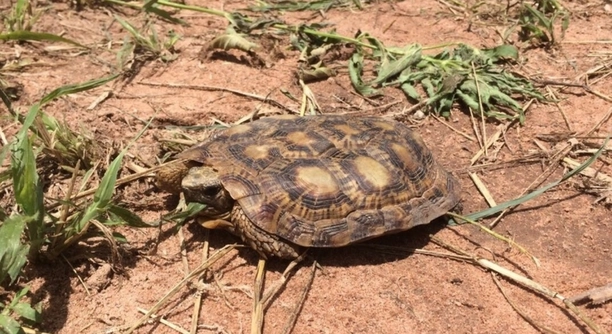
Taking care of your tortoise involves more than just feeding it and providing shelter. Many accessories can be added to its tank to make it feel at home, but some can be unsafe. It’s important to know which ones to avoid.
Some tank accessories commonly used for tortoises can pose serious risks, including health problems or even injury. Items such as certain types of bedding, lighting, and decorations may create hazardous conditions in their environment.
By making the right choices, you can help ensure your tortoise stays safe and healthy. Understanding which accessories to avoid will help you create a safer space for your pet.
1. Substrate Materials That Are Harmful
When choosing bedding for your tortoise, it’s crucial to avoid certain materials that could be harmful to their health. Common substrates like sand, cedar wood, and certain types of gravel can pose risks. Sand can cause impaction if your tortoise ingests it, leading to serious digestive issues. Cedar wood contains oils that are toxic to reptiles, and gravel can injure your tortoise’s delicate skin. Even if these materials seem like a natural fit, they can cause more harm than good.
Safe alternatives for bedding include coconut husk, organic topsoil, or aspen shavings. These are soft, absorbent, and won’t harm your tortoise if ingested. Make sure to also provide enough room for them to burrow or hide, which helps mimic their natural environment.
Choosing the right bedding might seem like a small detail, but it plays a big role in your tortoise’s overall health. Always research thoroughly before making a decision on which material to use, and be cautious of anything that could cause harm. Their well-being depends on the environment you provide.
2. Unsafe Heating Elements
Not all heating elements are safe for tortoises. Using heat lamps that get too hot or incorrectly positioned can cause burns or stress. Tortoises need consistent warmth but not an intense heat source that could burn them.
When setting up heat lamps, make sure they are specifically designed for reptiles. Choose a lamp with adjustable heat settings, and always place it high enough that it won’t directly touch your tortoise. Temperature fluctuations should be avoided, so invest in a thermometer to monitor the tank’s temperature closely.
Proper heating is essential for regulating your tortoise’s metabolism. Too much heat can lead to dehydration and stress, while too little can weaken their immune system. Ensuring the right temperature range allows your tortoise to thrive. Make sure to keep the heat source at a safe distance and maintain a consistent, comfortable temperature.
3. Decorative Items That Can Cause Harm
Some decorations in a tortoise’s tank may seem harmless, but they can actually be dangerous. Sharp edges on rocks, plastic plants, or even some ceramic decorations can harm your tortoise. If they get too close or try to move them, it could result in injury.
Before adding decorations, check for anything that could break easily or have rough surfaces. Use natural stones or non-toxic, rounded items instead. Avoid plastic plants, as they can be chewed on and potentially ingested, which could cause digestive problems. Always prioritize safety over aesthetics.
When choosing decorations, think about your tortoise’s needs. They like hiding spaces and areas to explore, but it’s important that the items are safe. Natural wood branches and non-toxic plants offer both decoration and enrichment, and they don’t pose the same risks. Keeping your tortoise’s space simple, yet engaging, is key for its happiness and safety.
4. Inadequate Lighting
Not all lighting setups work well for your tortoise’s health. UVB lighting is essential, but not all lights emit the right type of rays. Without proper UVB light, your tortoise may suffer from Vitamin D3 deficiency, leading to weak bones or other health issues.
Look for a high-quality UVB bulb designed for reptiles. Make sure it covers the entire area where your tortoise spends most of its time. It’s also important to change these bulbs regularly, as their UVB output decreases over time, even if the light still works.
Tortoises need both UVB light for vitamin synthesis and a basking light to regulate their body temperature. The correct lighting helps them digest food properly and maintain strong bones. Without it, your tortoise’s health can deteriorate quickly, so investing in the right lighting setup is essential.
5. Plastic Water Bowls
Plastic water bowls may seem like a practical choice, but they can be problematic for tortoises. Over time, plastic can develop cracks, harbor bacteria, or leach harmful chemicals, especially when exposed to heat or sunlight. It’s better to use a ceramic or stainless steel bowl instead.
These alternatives are safer and easier to clean, reducing the risk of infections. A stable, non-toxic water bowl will ensure your tortoise has access to clean water without contamination. A secure, shallow bowl is also ideal, as it prevents your tortoise from accidentally tipping it over.
Plastic bowls might not hold up as well over time. They can also be chewed on or scratched by your tortoise, leading to potential harm. Always opt for something that offers long-term durability, cleanliness, and safety.
6. Inappropriate Tank Size
An undersized tank can limit your tortoise’s ability to move and explore. Tortoises require space to roam, as they’re naturally active creatures. A cramped environment can lead to stress, lethargy, and health problems.
For most species, a minimum of 40 gallons is necessary for proper housing. Ensure that there’s enough room for your tortoise to stretch out and move freely. If you have more than one tortoise, increase the tank size accordingly. A larger tank also allows you to set up different temperature zones, which helps keep your tortoise comfortable.
A cramped tank can have long-term effects on your tortoise’s health. Providing enough space not only ensures physical well-being but also allows mental stimulation through exploration. Always aim for a tank that is as large as possible to create a happy and healthy habitat for your pet.
FAQ
What is the best bedding for my tortoise?
The best bedding for a tortoise is something natural and non-toxic. Coconut husk, organic topsoil, and aspen shavings are great options. Avoid sand or cedar wood, as they can cause digestive issues or toxicity. These alternatives are safe, absorbent, and comfortable for your tortoise. Make sure to keep the bedding clean and dry to prevent mold growth, which can harm your pet. Always ensure there is enough bedding for your tortoise to burrow in or hide if needed.
Can I use sand in my tortoise’s tank?
It’s not recommended to use sand as bedding for your tortoise. Sand can cause impaction if your tortoise ingests it, leading to serious digestive problems. If your tortoise eats sand while eating food or exploring, it may cause a blockage that requires medical attention. Additionally, sand can be difficult to clean and may retain moisture, leading to bacterial growth. Stick to safer bedding options like coconut husk or organic topsoil for your tortoise’s tank.
Is UVB light necessary for my tortoise?
Yes, UVB light is essential for your tortoise. It helps them synthesize Vitamin D3, which is critical for strong bones and overall health. Without UVB light, your tortoise may develop metabolic bone disease or other health issues. Ensure the light covers the area where your tortoise spends most of its time, and replace the bulb every 6 to 12 months, even if it’s still working. UVB light is a key factor in mimicking your tortoise’s natural environment.
Can I use a heat lamp for my tortoise?
Yes, heat lamps are necessary for providing warmth, but they must be used properly. Ensure the heat lamp isn’t too hot or too close to your tortoise. The ideal temperature gradient should range from 75°F to 85°F for the cooler areas of the tank and up to 95°F for basking areas. A heat lamp should be placed high enough that it doesn’t directly touch your tortoise. Always monitor the temperature using a thermometer to prevent burns or stress.
How big should my tortoise’s tank be?
The size of your tortoise’s tank depends on its species and size. A general rule is to provide at least 40 gallons of space for one tortoise, but larger species will require more space. Tortoises need room to roam, explore, and find different temperature zones. For larger species, like Sulcatas or Aldabras, you may need an outdoor enclosure instead of a tank. Bigger is always better when it comes to tortoise tanks, as it ensures their well-being.
Can I use plastic decorations in my tortoise’s tank?
Plastic decorations are not the best choice for your tortoise’s tank. They can have sharp edges that might cause injury, or your tortoise might chew on them, potentially swallowing pieces. It’s better to use natural stones or non-toxic decorations designed specifically for reptiles. If you want to add plants, opt for non-toxic, real plants instead of plastic ones. Natural elements will provide your tortoise with enrichment and a more realistic environment.
What should I feed my tortoise?
Tortoises are herbivores, and their diet should primarily consist of dark leafy greens, grasses, and some vegetables. Offer a variety of foods like dandelion greens, kale, collard greens, and herbs like parsley and cilantro. Avoid feeding them high-oxalate foods like spinach, as it can interfere with calcium absorption. Fresh water should always be available. Fruits should be given sparingly, as too much sugar can lead to obesity. Also, make sure they are getting enough calcium in their diet for healthy bones and shells.
Can my tortoise live outside?
Yes, tortoises can live outside, provided the environment is suitable. They need a warm, safe space where they can roam freely, dig, and bask in the sun. The outdoor enclosure should be predator-proof, with high walls to prevent escape. It should also have shaded areas for when your tortoise needs to cool down. Make sure to bring your tortoise inside during extreme weather conditions, such as cold or rainy weather, as they are sensitive to temperature changes.
How do I clean my tortoise’s tank?
Regular cleaning is essential to maintain a healthy environment for your tortoise. Remove any uneaten food daily and replace soiled bedding. Wash the water bowl daily to keep it free from bacteria. About once a week, remove the old bedding entirely and replace it with fresh material. Clean decorations and tank surfaces with a reptile-safe cleaner, avoiding harsh chemicals that can harm your tortoise. Make sure everything is dry before placing your tortoise back in the tank.
What are signs of a sick tortoise?
Signs of illness in a tortoise can include loss of appetite, lethargy, shell deformities, labored breathing, or abnormal stool. If your tortoise is not eating or drinking, or seems unusually sluggish, it may be unwell. Shell softening, swelling, or cracks are also concerning symptoms. If you notice any of these signs, it’s important to consult a vet experienced with reptiles. Early detection and treatment can make a big difference in your tortoise’s recovery.
Final Thoughts
Taking care of a tortoise requires attention to detail and a clear understanding of their needs. The right tank setup, food, lighting, and accessories are essential to their well-being. However, it’s easy to overlook some items that seem harmless but could actually harm your tortoise in the long run. Knowing which accessories are unsafe, such as certain substrates, decorations, and heating elements, is key to preventing health issues and ensuring your tortoise remains comfortable in its home.
Tortoises thrive in environments that closely mimic their natural habitats. Providing a spacious tank, proper lighting, and the right kind of bedding goes a long way in making sure they feel secure and healthy. You don’t need to overcomplicate things—just focus on the basics like safe substrate, non-toxic decorations, and proper lighting and heat. It’s also important to create an environment that allows your tortoise to express its natural behaviors, such as hiding or basking. The more you understand what your tortoise needs, the more you can enjoy watching it grow and thrive in your care.
Lastly, remember that tortoises can live a long time with the right care. They’re not a pet you can forget about once the tank is set up. Regular cleaning, proper nutrition, and monitoring their health should be a routine part of your tortoise care. With the right accessories and environment, your tortoise will not only be safe but also comfortable, allowing it to live a happy and healthy life. It’s about taking small, thoughtful steps to ensure their safety and well-being every day.

Hello,
If you enjoy the content that we create, please consider saying a "Thank You!" by leaving a tip.
Every little bit helps us continue crafting quality advice that supports the health, happiness, and well-being of pets around the world, for pets of all shapes, sizes, and species.
We really appreciate the kindness and support that you show us!