
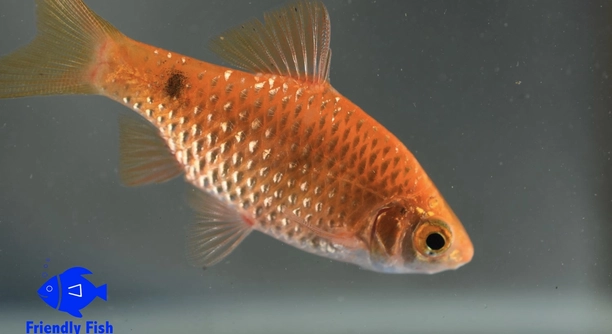
Do you ever find yourself noticing your Rosy Barbs darting around suddenly, as if something invisible just spooked them? These quick, nervous reactions can happen even in calm tanks with no obvious threats around.
Rosy Barbs are sensitive to sound vibrations, and certain everyday noises can trigger stress or startle responses. Common sources include loud music, sudden taps on the tank, or even household appliances like vacuums and blenders.
Understanding which sounds are most disruptive can help you create a calmer environment for your fish and reduce unnecessary stress in their daily lives.
Sudden Tapping on the Glass
Tapping on the aquarium glass might seem harmless, especially when trying to get your Rosy Barbs’ attention. However, this sharp, sudden sound can feel overwhelming to them. Fish are very sensitive to vibrations in the water, and even a small knock can travel quickly through their environment. This unexpected disturbance can cause your Rosy Barbs to panic and dart around the tank, sometimes even injuring themselves in the process. Repeated exposure to these sounds can lead to long-term stress. Stress in fish is often invisible at first, but it can weaken their immune systems and shorten their lifespan. If children or guests are around, gently remind them not to tap on the tank. Even feeding times should be calm and quiet to help keep their environment stable. It’s a simple change that can make a big difference for your fish’s health and comfort.
Avoid tapping or knocking on the tank at any time. Even light taps can unsettle Rosy Barbs and affect their sense of safety.
If you want to interact with them, try standing quietly near the tank. Rosy Barbs can recognize familiar faces over time. When they feel safe, they may naturally swim up to the glass. Keeping their space calm helps build trust.
Loud TV or Music Near the Tank
Loud volumes from nearby speakers can unsettle your Rosy Barbs, especially when the tank is close to a TV, stereo, or home theater setup.
Rosy Barbs sense sound through vibrations in the water, and low bass or sudden volume changes are especially disturbing. These sounds can cause them to hide, dart around, or stay still at the bottom of the tank. Over time, this can lead to chronic stress. Keeping your tank in a quiet spot away from the main entertainment areas is a simple way to help. If that’s not possible, keeping the volume lower during movies or music sessions can still make a difference. It’s also helpful to place a soft mat or padding under the tank stand to absorb some of the vibrations. Another small tip is to keep the tank against an interior wall rather than one that connects to a busy room. Little adjustments like these can go a long way in helping your Rosy Barbs stay calm and healthy.
Slamming Doors and Cabinets
Slamming doors or kitchen cabinets near the tank can send strong shockwaves through the floor or walls. These sudden vibrations are jarring and often make Rosy Barbs scatter or hide. Frequent exposure to these noises can lead to ongoing stress or changes in their daily behavior.
If your fish tank is near a busy hallway, kitchen, or entryway, try to reduce how often doors are slammed or cabinets are closed forcefully. Soft-close hinges or small felt pads can help lessen the impact. You might not notice the sound after a while, but your Rosy Barbs feel it every time. Watching them swim calmly versus reacting in fear is a clear sign something needs adjusting. Even footsteps near the tank can be disruptive if the floor shakes slightly. Small changes in your routine can help keep things steady and prevent unnecessary stress on your fish’s nervous system.
Making your home slightly quieter can create a noticeable difference. A peaceful environment encourages natural swimming, eating, and social behavior in Rosy Barbs. If you often hear slamming noises around your tank, try rearranging furniture to act as a buffer. Keeping their space away from high-traffic areas helps them feel safe, which supports both their behavior and long-term health.
Vacuum Cleaners and Blenders
Household appliances like vacuums and blenders create intense vibrations and loud mechanical noise. Even when used in another room, the deep rumble and sharp pitch can be felt through floors or walls. These sounds tend to startle Rosy Barbs quickly.
When using loud appliances, try doing so during the day when your fish are naturally more active and alert. If possible, close the door between the tank and the sound source. Placing a soft rug beneath the tank stand also helps reduce how much vibration reaches the water. If your tank is in a small space like an apartment, use quieter appliance settings or limit use near the tank. Consistent exposure to harsh noise can interfere with feeding habits and raise cortisol levels. Over time, this may weaken their immune system. Keeping appliance use gentle and brief makes a noticeable difference in their sense of safety.
Barking Dogs and Loud Pets
Loud barking near the tank can cause sudden fear in Rosy Barbs. Even short bursts of noise from pets can feel overwhelming. If your dog often barks close to the tank, it might help to move the aquarium to a quieter space.
Some pets may jump up or bump the tank, adding to the disturbance. Try creating a small barrier or using baby gates to prevent them from getting too close. Your fish will be more relaxed in a space that feels stable and calm, without loud, unpredictable sounds from nearby animals.
Phone Notifications and Ringtones
Loud ringtones, constant alerts, or vibrations from phones placed near the tank can be surprisingly stressful for Rosy Barbs. If you leave your phone on the tank stand or nearby furniture, try switching to silent mode. Keeping sound settings low or using vibration instead can help reduce sudden disturbances.
Sudden Clapping or Yelling
Quick, sharp noises like clapping or shouting can scare Rosy Barbs instantly. They often react by darting away or hiding. These reactions may seem small, but frequent loud outbursts can create a stressful atmosphere that affects their behavior and comfort in the tank.
FAQ
Why do Rosy Barbs get scared by sounds?
Rosy Barbs have a keen sense of hearing through vibrations in the water. Their lateral line system detects changes in pressure, helping them sense nearby movement and potential danger. Sudden or loud noises create strong vibrations that feel threatening, triggering their natural flight response to stay safe. This sensitivity helps them survive in the wild but can cause stress in a home aquarium when exposed to common household sounds.
How can I tell if my Rosy Barbs are stressed by noise?
Signs of stress include frantic swimming, hiding more than usual, loss of appetite, or staying still near the bottom of the tank. You might also notice clamped fins or faded colors. If your fish consistently react to sounds around the tank, it’s a good sign the environment is too noisy. Stress weakens their immune system and can lead to illness, so it’s important to reduce loud sounds nearby.
What are the best ways to reduce noise for my Rosy Barbs?
Place the tank away from high-traffic areas, loud appliances, or entertainment centers. Use soft mats under the tank stand to absorb vibrations. Keep household activities like door slamming, vacuuming, or loud music at a lower volume or in different rooms. Creating a quiet and stable space will help your fish feel secure and behave naturally.
Can Rosy Barbs get used to loud sounds over time?
They may become somewhat accustomed to regular, low-level noises but remain sensitive to sudden or very loud sounds. Chronic exposure to noise can still cause stress and affect their health. It’s better to prevent loud noises rather than rely on fish adapting, as constant stress wears them down.
Are there specific times when my Rosy Barbs are more sensitive to sound?
Yes, fish tend to be more sensitive during feeding, breeding, or rest periods. Loud sounds during these times can interrupt important behaviors and increase stress. Keeping noise minimal around feeding times helps promote better eating habits and reduces anxiety.
Does water temperature affect how Rosy Barbs react to sound?
Water temperature itself doesn’t change how they sense noise, but warmer water can increase their metabolism and activity levels. This might make them more reactive or nervous. Maintaining stable water conditions supports overall health and reduces extra stress triggers.
Is it harmful if Rosy Barbs get startled by noises occasionally?
A single startle isn’t usually harmful, but repeated or frequent disturbances can cause long-term stress. Stress lowers their immunity, making them prone to disease. It’s important to keep their environment calm to avoid constant startle responses.
How can I create a quiet environment without limiting my daily activities?
Small adjustments like soft-close doors, using rugs or mats to reduce vibrations, and moving the tank away from noisy spots can help. Using quieter settings on appliances and lowering volume during entertainment times keeps noise levels manageable without changing your routine completely.
Do other fish species react the same way to loud sounds?
Many fish are sensitive to vibrations, but reactions vary by species. Rosy Barbs are active and easily startled, while some fish are more tolerant. Understanding your specific fish’s behavior helps tailor the environment to their needs.
Should I use background noise or white noise to mask sudden sounds?
Background noise may help mask sudden noises but can also add to overall sound levels, which might still stress fish. It’s usually better to reduce loud or sharp noises directly rather than rely on masking sounds. Maintaining a peaceful, steady environment is the safest choice.
Rosy Barbs are sensitive fish that respond strongly to sounds and vibrations around their tank. Loud noises like tapping, slamming doors, or household appliances can easily startle them and cause stress. Over time, this stress can affect their health, behavior, and overall well-being. Creating a calm and quiet environment helps keep them relaxed and comfortable. Small changes like moving the tank away from noisy areas or using soft pads under the stand can reduce the impact of these sounds. It is important to be aware of how everyday noises might affect your fish so you can take steps to protect them.
Stress from noise often shows in how Rosy Barbs behave. They might swim frantically, hide more often, or lose their appetite. Sometimes they stay still near the bottom or show faded colors. These signs mean the fish are uncomfortable and may be struggling. By minimizing sudden or loud sounds near the tank, you give your fish a better chance to stay healthy. Watching how they react to different sounds can help you identify what bothers them most. This way, you can adjust their environment to suit their needs better.
Taking care of Rosy Barbs means paying attention to their surroundings as well as their diet and water quality. Sound is often overlooked but plays an important role in their comfort. Keeping the tank in a quieter place, using noise buffers, and avoiding sudden loud noises can make a big difference. When your fish feel safe and relaxed, they are more likely to show natural behavior, eat well, and thrive. Being mindful of noise is a simple but effective way to support the long-term health and happiness of your Rosy Barbs.

Hello,
If you enjoy the content that we create, please consider saying a "Thank You!" by leaving a tip.
Every little bit helps us continue crafting quality advice that supports the health, happiness, and well-being of pets around the world, for pets of all shapes, sizes, and species.
We really appreciate the kindness and support that you show us!