
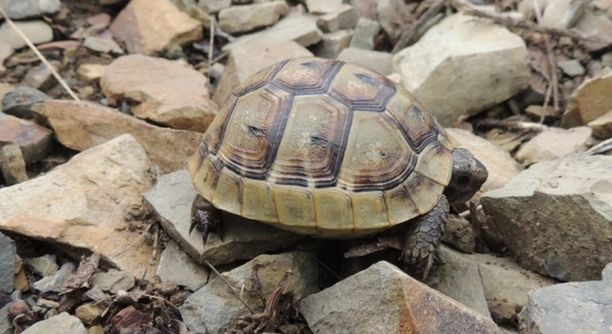
Greek tortoises are unique creatures with distinct needs. As a pet owner, understanding common skin issues that may arise with these tortoises is essential for their health. Addressing these concerns promptly ensures your pet’s comfort and well-being.
Skin problems in Greek tortoises can range from shell rot to fungal infections. Proper care, including keeping their habitat clean, managing humidity levels, and regular checks for signs of illness, can help prevent or treat these issues effectively.
By identifying these common skin issues early on, you can better care for your Greek tortoise and prevent complications in the future.
Shell Rot: An Issue to Watch For
Shell rot is a common skin problem in Greek tortoises, often caused by poor living conditions or injuries. It appears as soft, discolored patches on the shell, which can worsen if not treated. When your tortoise develops shell rot, it’s crucial to act quickly to prevent further damage. Keeping your tortoise’s living area dry, clean, and free from bacteria is essential. This includes providing a proper basking spot with sufficient UVB light to promote healing. If you spot any soft spots on the shell, seek veterinary attention immediately.
Shell rot typically develops when the tortoise’s shell is exposed to excess moisture or bacteria, making it vulnerable to infection. It’s vital to address any wounds on the shell promptly and avoid letting them stay wet for extended periods. The longer shell rot is left untreated, the harder it can be to heal.
Regularly check your tortoise’s shell for any changes. If the rot doesn’t improve or worsens, visiting a vet is necessary to prevent long-term damage. Immediate care ensures your tortoise stays healthy and happy.
Fungal Infections: Keep the Humidity in Check
Fungal infections can occur when humidity levels in the tortoise’s environment are too high, leading to skin lesions or unhealthy growth. These infections are often linked to a damp, dirty habitat.
Controlling humidity and cleanliness is key in preventing fungal infections in Greek tortoises. Regularly clean their enclosure, remove any mold, and ensure proper air circulation. The right balance of humidity will keep fungal problems at bay.
Mites and Ticks: Pests to Watch Out For
Mites and ticks can cause irritation and skin damage if left untreated. These tiny pests can be hard to spot but can lead to serious health issues for Greek tortoises. Keeping their habitat clean and regularly checking for signs of pests is essential.
If you find mites or ticks, use a mild anti-parasitic treatment that is safe for reptiles. A vet may recommend a specific product for the tortoise’s care. It’s also helpful to bathe the tortoise in warm water to remove any pests from their skin and shell.
Proper cleaning of the tortoise’s enclosure is crucial to prevent re-infestation. Mites and ticks thrive in unclean conditions, so regularly sanitizing the habitat will reduce their chances of returning. Additionally, ensure your tortoise is not exposed to environments where pests are common.
Dry Skin: A Common Condition
Dry skin is common in Greek tortoises, especially if they live in an environment with low humidity. It can lead to shedding issues and even cracks in the skin if not addressed.
To help your tortoise’s skin, ensure they have access to a humid hide or mist their environment with water. A proper basking spot with UVB light will also aid in healthy skin growth. If dry skin leads to scabbing or cracked shells, consult a veterinarian for the best treatment options. Moisturizing and proper care will help prevent further issues.
Daily monitoring for signs of dryness is essential, and humidity levels should be checked regularly. If the dry skin persists, an adjustment to the environment or diet may be necessary. Taking these steps can help keep your tortoise comfortable and healthy.
Blistering: A Result of Overheating
Blistering occurs when your tortoise is exposed to excessive heat or humidity for prolonged periods. This can cause painful blisters on their skin, which require immediate attention. Prevent overheating by providing a temperature-controlled environment and access to cooler areas.
Keeping your tortoise’s habitat balanced in terms of temperature and humidity is vital to avoid blistering. If blisters form, you’ll need to carefully clean the area and allow the skin to heal. A vet can guide you in more severe cases to ensure proper care.
Shed Retention: A Skin Issue to Address
Shed retention occurs when your tortoise fails to shed properly, causing old skin to remain stuck. This can lead to discomfort and potential infections.
Ensure the enclosure has a proper humidity level to help with skin shedding. If your tortoise struggles to shed, gently soak them in warm water. Regularly check for stuck shed around the legs, neck, and tail.
FAQ
What should I do if my Greek tortoise has shell rot?
If you notice shell rot, it’s important to act quickly. Clean the affected area with mild antiseptic and dry it thoroughly. Avoid letting the shell stay damp, as this can worsen the condition. Ensure the tortoise’s habitat is clean and dry. If the rot doesn’t improve or gets worse, take your tortoise to a vet for professional treatment. In some cases, the vet may need to remove infected tissue.
How can I prevent fungal infections in my Greek tortoise?
Fungal infections are commonly caused by excess humidity or poor living conditions. To prevent them, maintain a clean, dry environment with good ventilation. Regularly check for any signs of infection, such as discolored or soft patches on the skin or shell. Also, ensure your tortoise has access to a basking spot with appropriate UVB light. If you suspect a fungal infection, consult a vet for proper care.
How can I get rid of mites and ticks on my tortoise?
Mites and ticks can cause serious irritation to Greek tortoises. To remove them, use a reptile-safe anti-parasitic treatment as recommended by your vet. You can also give your tortoise a gentle bath in warm water to help remove pests from their skin. Always clean the habitat thoroughly to remove any lingering mites or ticks, as they can reappear if conditions aren’t addressed.
What’s the best way to treat dry skin on my Greek tortoise?
Dry skin can occur in Greek tortoises if their habitat is too dry or if they’re not receiving enough humidity. To treat this, mist your tortoise’s enclosure regularly and ensure there is a humid hide available. Providing a basking spot with UVB light will also promote healthy skin. If dry patches or cracks appear, you may need to soak your tortoise in warm water to help loosen the old skin.
How do I deal with blistering on my Greek tortoise?
Blistering is typically caused by overheating or excessive humidity. If blisters form, carefully clean the area and ensure the tortoise’s habitat is properly regulated. You can soak your tortoise in warm water to soothe the skin. In more severe cases, take your tortoise to the vet to prevent further issues and ensure proper healing.
Why is my Greek tortoise not shedding properly?
Improper shedding, or shed retention, can occur if the humidity levels are too low. A tortoise that doesn’t shed properly may have old skin stuck around its limbs or shell. To assist with shedding, gently soak the tortoise in warm water. Increase the humidity in the habitat to encourage better shedding. If the problem persists, consult a vet for further advice.
How do I know if my Greek tortoise has an infection?
Signs of an infection in a Greek tortoise include swollen areas, discharge from the eyes or nose, or changes in appetite or behavior. If you notice any of these symptoms, it’s important to seek veterinary care. Infections can be serious if not treated early, so don’t delay in getting your tortoise checked out.
Can I use human skin cream on my Greek tortoise’s skin?
It’s not recommended to use human skin creams on Greek tortoises, as they may contain harmful ingredients. Instead, stick to products that are specifically designed for reptiles. If your tortoise’s skin is dry or irritated, consult a vet to determine the best treatment options. There are reptile-safe lotions and oils available that are safe for their delicate skin.
How often should I clean my Greek tortoise’s enclosure?
The enclosure should be cleaned regularly to avoid any skin problems or infections. Spot clean daily by removing waste and uneaten food. A full cleaning, including sanitizing the enclosure, should be done at least once a week. This helps maintain a healthy living environment and prevents the buildup of bacteria that can cause health issues.
How can I help my Greek tortoise with shedding issues?
To help with shedding issues, increase the humidity in their habitat by providing a humid hide or misting their enclosure regularly. Ensure the tortoise has access to a proper basking spot with UVB light, as this encourages natural shedding. If shed retention becomes a problem, a warm water soak can help loosen the old skin. If necessary, consult your vet for further advice.
Final Thoughts
Taking care of a Greek tortoise requires attention to detail, especially when it comes to skin issues. Regularly checking for common conditions like shell rot, blisters, or dry skin is essential for their overall health. These issues can often be prevented or treated with simple adjustments to their habitat, diet, and care routine. It’s important to maintain a clean and properly heated enclosure and ensure the humidity levels are suitable for your tortoise’s needs.
Addressing any skin issues promptly is crucial. Whether it’s providing the right environment to prevent fungal infections or seeking veterinary help for more serious conditions, proactive care will make a big difference in your tortoise’s health. Knowing when to seek professional help is just as important as routine maintenance. If you ever feel unsure about how to handle a skin problem, don’t hesitate to reach out to a vet with experience in reptile care.
By staying informed and attentive, you can keep your Greek tortoise comfortable and free from common skin problems. Regular health checks and proper care will go a long way in ensuring your tortoise leads a long, healthy life. With the right knowledge and approach, you can manage skin issues and help your tortoise thrive in its environment.

Hello,
If you enjoy the content that we create, please consider saying a "Thank You!" by leaving a tip.
Every little bit helps us continue crafting quality advice that supports the health, happiness, and well-being of pets around the world, for pets of all shapes, sizes, and species.
We really appreciate the kindness and support that you show us!