
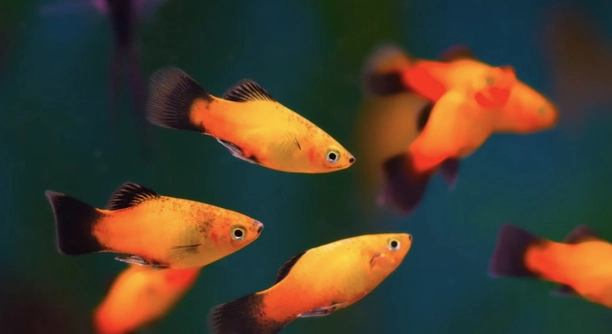
Keeping a platy tank clean is important for the health and happiness of your fish. Many people enjoy watching their colorful platys swim but may overlook signs that the tank needs attention. Regular care helps maintain a safe and comfortable environment for these lively pets.
Recognizing common signs that your platy tank needs cleaning is essential to prevent health problems. These signs include cloudy water, unpleasant odors, algae buildup, slow fish movement, leftover food accumulation, filter issues, and sudden fish behavior changes. Addressing these early supports tank stability.
Noticing these signs early helps maintain a healthy tank for your platys and keeps their environment fresh and inviting. Cleaning routines can be simple once you know what to watch for.
Cloudy Water and Poor Visibility
Cloudy water is one of the first signs that your platy tank needs cleaning. When the water looks murky or foggy, it means there are excess particles or waste inside. This can happen from leftover food, fish waste, or even overfeeding. Poor water clarity affects not only the look of your tank but also the health of your fish. Platys need clean water to breathe and swim comfortably. If the water stays cloudy for a long time, it can cause stress or illness to your fish. Regular partial water changes and removing uneaten food help keep the water clear. Using a good filter and checking it often also supports water quality. Keeping the water clear will help your platys stay active and healthy.
Cloudy water can hide other issues in the tank, so it should never be ignored.
Keeping the water clear involves consistent care. Changing 20-30% of the water weekly reduces waste buildup. Cleaning the filter gently and avoiding overfeeding stops debris from accumulating. Using a gravel vacuum during water changes removes leftover food and fish waste from the substrate. When these steps are followed, the water will stay clear, and your platys will have a safer environment to thrive in.
Algae Growth on Tank Surfaces
Algae growth is common in platy tanks that need cleaning. It appears as green, brown, or sometimes red patches on the glass, decorations, or plants. While some algae are natural, too much can reduce water quality and oxygen levels. Excess algae make the tank look dirty and can block light needed by live plants. If ignored, algae can cover the tank surfaces completely and make maintenance harder. Cleaning algae regularly helps maintain a balanced tank.
Removing algae from the glass and decorations keeps your tank looking nice and supports a healthy habitat.
To control algae, reduce excess light exposure by limiting tank lighting to 8-10 hours daily. Avoid overfeeding since leftover food feeds algae growth. Regularly scrape algae off glass with an algae scraper or sponge designed for aquariums. Introducing algae-eating fish or snails can also help keep growth under control. Additionally, keeping up with water changes removes nutrients that algae feed on. These steps keep algae manageable and your platy tank clean.
Unpleasant Odors in the Tank
Unpleasant smells coming from your platy tank usually mean it needs cleaning. Fish waste and decaying food can cause bad odors. These smells are a clear sign that the water quality is poor and needs attention.
Bad odors often indicate excess organic waste in the tank. When uneaten food or fish waste breaks down, it releases harmful substances like ammonia. This buildup can stress your platys and lead to health problems. Regular water changes and removing leftover food help prevent odors. Cleaning the filter and substrate is also important to keep the tank fresh. Ignoring the smell can worsen water conditions quickly, so it’s best to act right away. Keeping your tank clean prevents bad odors and keeps your fish comfortable.
In addition to cleaning, make sure your tank is well ventilated and the filter is running properly. Good water circulation helps reduce odor and improves oxygen levels. Using activated carbon in the filter can also absorb unwanted smells. Together, these actions create a cleaner and healthier environment for your platys.
Fish Behavior Changes
Sudden changes in your platys’ behavior can be a sign the tank needs cleaning. Lethargy, hiding, or gasping at the surface suggest water quality problems. These changes often result from poor tank conditions.
Stress caused by dirty water affects fish health and behavior. High levels of ammonia, nitrites, or nitrates can make platys weak or sick. They may stop eating or swim erratically. Cleaning the tank and doing partial water changes help restore water balance and improve fish behavior. Maintaining good filtration is crucial to remove harmful toxins. Watching your platys’ behavior closely allows you to notice problems early and take action. Healthy fish are usually active and curious, so sudden changes should not be ignored.
Providing a stable environment with clean water supports your platys’ natural behavior. Keeping the tank clean reduces stress and improves their overall well-being, allowing you to enjoy watching them thrive.
Leftover Food Accumulation
Leftover food that settles on the tank bottom can quickly pollute the water. Uneaten flakes or pellets break down and add waste, causing water quality to decline. Removing excess food after feeding is important.
Regularly cleaning leftover food helps prevent harmful bacteria growth. Using a small net or siphon during water changes keeps the substrate clean and safe for your platys.
Filter Problems
A dirty or clogged filter reduces water circulation and filtration efficiency. This leads to poor water quality and can harm your fish. Filters need regular maintenance to work properly.
Cleaning or replacing filter media on schedule ensures the tank stays healthy. A well-functioning filter removes waste, toxins, and debris, maintaining a stable environment for your platys.
Slow Fish Movement
If your platys are moving slowly or seem weak, the tank may be dirty. Poor water quality reduces oxygen levels and stresses the fish, affecting their energy.
Improving tank cleanliness with water changes and filter care helps restore your fish’s activity and health.
FAQ
How often should I clean my platy tank?
Cleaning frequency depends on tank size and fish population. For most platy tanks, a partial water change of about 20-30% every week helps maintain good water quality. Regularly check for leftover food, algae growth, and filter condition to decide if extra cleaning is needed. Over time, more thorough cleanings like substrate vacuuming can be done every 2-4 weeks. Consistent maintenance keeps your tank healthy and your fish happy.
What is the best way to clean algae from the tank?
Use an algae scraper or sponge made for aquariums to remove algae from glass and decorations. Avoid harsh chemicals that can harm fish. For stubborn spots, a soft toothbrush works well. Limiting light exposure and controlling feeding habits also reduce algae growth. Introducing algae-eating snails or fish can help, but don’t rely on them alone. Regular cleaning and proper tank care prevent algae buildup.
Can I use tap water for water changes?
Tap water is fine if treated properly. Always use a water conditioner to remove chlorine, chloramines, and heavy metals before adding tap water to the tank. Letting tap water sit for 24 hours helps release chlorine but does not remove chloramines. Using a good water conditioner is safer and easier. Test water parameters regularly to ensure the new water is safe for your platys.
Why is my platy tank water cloudy after cleaning?
Cloudy water after cleaning often results from disturbing the substrate or over-cleaning filter media. Stirring up debris can cause temporary cloudiness. It usually clears within a day or two. Using a gravel vacuum carefully during water changes helps reduce this. Also, avoid rinsing filter media with tap water; use tank water to keep beneficial bacteria intact. Patience is key; the water will clear as the tank stabilizes.
What causes fish to gasp at the water surface?
Gasping at the surface usually means low oxygen levels or poor water quality. Dirty tanks with excess waste and buildup reduce oxygen availability. Overcrowding or lack of water movement can worsen this. Regular water changes, filter maintenance, and ensuring proper aeration improve oxygen levels. Monitoring your tank environment and responding quickly keeps platys comfortable and healthy.
How do I know if my filter needs cleaning?
If water flow slows down or becomes noisy, it may be time to clean the filter. Visible debris buildup or foul smells from the filter area also indicate cleaning is needed. Avoid cleaning the filter too often or with harsh chemicals, as this can harm beneficial bacteria. Rinse filter parts gently with tank water during water changes to maintain balance.
Is it okay to clean the entire tank at once?
Cleaning the entire tank at once is not recommended because it disrupts beneficial bacteria that help break down waste. Large cleanings can cause stress and harmful ammonia spikes. Instead, clean the tank gradually with partial water changes and regular filter maintenance. This approach keeps the environment stable and safe for your platys.
What equipment helps keep the tank clean?
Basic equipment includes a gravel vacuum for removing debris, an algae scraper for cleaning glass, and a quality filter to maintain water clarity. A water testing kit helps monitor parameters like ammonia, nitrites, and nitrates. Using these tools regularly makes cleaning easier and helps catch problems early.
Can overfeeding harm my platys?
Yes, overfeeding is a common cause of water quality issues. Uneaten food decomposes and pollutes the water, leading to cloudy water, algae growth, and harmful ammonia levels. Feeding only what your platys can eat in a few minutes helps prevent these problems. Good feeding habits support tank cleanliness and fish health.
How can I encourage my platys to be more active?
Keeping the tank clean and water parameters stable encourages healthy, active fish. Providing hiding spots and plants also helps reduce stress. Regular feeding with balanced nutrition supports energy levels. When water quality is poor, platys become sluggish, so maintaining a clean environment is essential for their natural behavior.
These answers should help maintain a clean, healthy tank for your platys and ensure their well-being.
Keeping a platy tank clean is important for the health and happiness of your fish. A clean tank provides a safe and comfortable space where platys can swim, eat, and thrive. When the tank is dirty, it creates an environment that can stress the fish or even make them sick. Regular cleaning helps keep the water clear, reduces harmful chemicals, and prevents problems like algae growth and bad smells. This makes it easier to enjoy watching your platys and ensures they live longer, healthier lives.
Cleaning a platy tank doesn’t have to be difficult or time-consuming. Simple steps like changing part of the water every week, removing leftover food, and checking the filter regularly can make a big difference. Paying attention to signs such as cloudy water, algae buildup, or changes in fish behavior helps catch issues early. Using the right tools, like a gravel vacuum and algae scraper, makes the cleaning process smoother. It is better to clean little by little and often than to wait too long and face a big mess.
Taking care of a platy tank is a rewarding experience. When you keep the water clean and the environment balanced, your fish will be more active and display natural behaviors. This shows they are healthy and comfortable. Remember, a clean tank is a happy tank, and the effort you put into maintenance is a way of caring for your pets. With steady attention and simple routines, your platy tank can stay beautiful and safe for your fish to enjoy every day.

Hello,
If you enjoy the content that we create, please consider saying a "Thank You!" by leaving a tip.
Every little bit helps us continue crafting quality advice that supports the health, happiness, and well-being of pets around the world, for pets of all shapes, sizes, and species.
We really appreciate the kindness and support that you show us!