
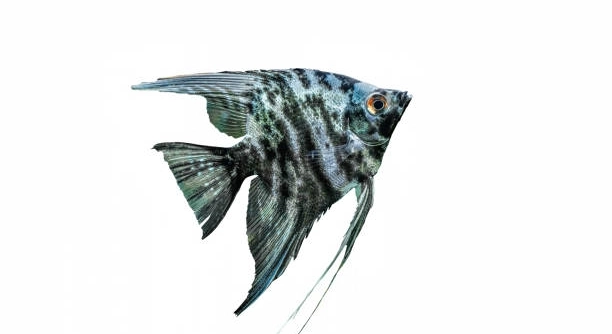
Is your angelfish acting differently or showing signs that something might be off in its tank environment? These small changes can often signal a need for more space, something many fish owners don’t realize right away.
Angelfish that lack adequate space often display stress behaviors, slower growth, and territorial aggression. These signs can impact their health and overall well-being, making it crucial to assess and adjust their environment promptly for optimal care.
Understanding these signs can help you create a better space for your angelfish and improve their quality of life.
Frequent Flaring and Aggression
When angelfish don’t have enough space, they often become more aggressive. You might see them flaring their fins, chasing other fish, or guarding a certain area of the tank. These behaviors are often signs of stress, not dominance. In a cramped tank, angelfish feel the need to fight for their space. Even if you only have one angelfish, it might still become aggressive or flare at its reflection. Over time, this behavior can lead to injury or a weakened immune system. A bigger tank helps reduce these signs and gives them room to feel secure and relaxed. Keeping the tank calm supports better overall health. It’s also easier to manage their behavior when each fish has enough room to move freely. If left unaddressed, aggression can quickly become a bigger issue and affect every fish in the tank.
This behavior doesn’t always mean your fish is naturally aggressive. Sometimes, it just needs more room.
Providing a larger tank allows for natural movement, proper territory, and space to retreat. Angelfish do best in taller tanks with lots of vertical swimming space. Even adding a few extra gallons can make a big difference. It’s a simple fix that improves daily life for your angelfish.
Clamped Fins and Lack of Activity
Clamped fins can be a clear sign your angelfish is uncomfortable. In many cases, it’s a result of limited space.
A cramped tank can cause stress that leads to both physical and behavioral changes. One of the earliest signs is clamped fins, where the fins are held tight to the body rather than spread naturally. You might also notice your angelfish staying in one corner, swimming less, or avoiding interaction altogether. These are red flags that the environment isn’t working. While other issues like water quality or illness can cause similar symptoms, tank size is often overlooked. Angelfish are active swimmers. When they don’t have room to move around, their activity level drops and their health may decline. They might eat less or become more sensitive to minor changes in the tank. Addressing this starts with giving them the space they need to behave naturally. A larger tank encourages healthy fin movement, boosts confidence, and helps your angelfish thrive.
Unusual Hiding and Skittish Behavior
If your angelfish is hiding more than usual or seems jumpy, it may not have enough space to feel secure. These behaviors often increase when the tank is overcrowded or lacks open swimming areas.
In smaller tanks, angelfish can feel overwhelmed and exposed. Without enough space to establish their own area, they may choose to hide behind decorations or plants for long periods. This behavior can be mistaken for shyness, but it often signals discomfort. When space is limited, fish are also more likely to startle at sudden movements or noises near the tank. This constant state of alert wears them down over time. A more spacious environment helps them feel less threatened and more at ease. It also allows for better swimming flow, which can reduce anxiety and improve their confidence in the tank.
Skittish behavior can also cause injury. Angelfish might dart quickly if startled and bump into objects or tank walls. This is more likely to happen in smaller tanks where they don’t have the room to escape properly. Over time, repeated stress responses like this can lead to lowered immunity and increase the risk of illness. More room gives them the freedom to move safely and naturally without panic.
Stunted Growth in Juvenile Angelfish
When young angelfish are raised in small tanks, their growth can be stunted. This usually happens when space is too limited for proper development.
Smaller tanks lead to more waste buildup and limited swimming space, both of which affect how a young angelfish grows. In clean, roomy tanks, angelfish can stretch out, swim freely, and eat better, all of which support healthy growth. In tighter spaces, they may remain smaller than expected or develop misshaped fins and bodies. Growth issues aren’t always easy to fix later, so catching it early is important. If you notice your young angelfish staying the same size for too long, upgrading their space could make a big difference. Larger tanks also allow for better water conditions, which is just as important for growth as food and lighting.
A juvenile angelfish kept in a small tank often competes for food and territory, slowing down its development even more. Uneven growth between tank mates is another common issue in tight quarters. Some fish become dominant and take most of the resources, while others fall behind. Over time, the smaller fish can become sick or stressed. Giving them more room helps balance their environment and gives each fish a fair chance to grow properly. A good tank size helps prevent these problems before they start.
Poor Appetite and Slow Response
A cramped tank can lead to a loss of appetite. When angelfish feel stressed or uneasy, they may stop eating or show less interest in food. This often happens when they can’t swim freely or feel crowded.
You might also notice your angelfish reacting slowly during feeding. Instead of swimming up quickly, they may hesitate or ignore the food altogether. This is usually a sign they don’t feel comfortable in their environment.
Waste Build-Up and Cloudy Water
Overcrowded tanks often lead to poor water quality. With more fish and less space, waste builds up faster, even if you clean the tank regularly. Ammonia and nitrate levels can rise quickly, which stresses out the fish and makes them more likely to get sick. You might see the water turn cloudy or develop a foul smell. These changes affect your angelfish’s health and behavior. A larger tank provides more water volume to dilute waste and makes it easier to keep things stable. Better space leads to fewer spikes in toxins and more consistent water conditions overall.
Limited Vertical Swimming
Angelfish enjoy swimming up and down, not just side to side. Smaller tanks often restrict this natural movement. When they can’t swim freely, it can lead to stress and boredom.
FAQ
How big should a tank be for a single angelfish?
A single adult angelfish should have at least 20 gallons of tank space. They are tall fish, so a tank with good vertical height is best. If you plan to add more fish, you’ll need even more space to prevent crowding and stress.
Can angelfish be kept in a 10-gallon tank?
No, a 10-gallon tank is too small for an adult angelfish. They may survive for a short time, but they won’t thrive. Their growth can be stunted, and stress levels will be high. A tank this size also gets dirty quickly, leading to unstable water conditions.
What happens if angelfish don’t have enough space?
Without enough space, angelfish may become aggressive, show signs of stress, or get sick more often. You might see behaviors like hiding, fin clamping, poor appetite, and even slower movement. Over time, these signs affect their health and shorten their lifespan.
Do angelfish need a tall tank or just a wide one?
They need both, but height is especially important. Angelfish have long, vertical fins and like to swim up and down. A tank that’s too short will limit this natural behavior. Aim for at least 18 inches of height for adult angelfish.
Can too many decorations make a tank feel smaller?
Yes. While plants and hiding spots are helpful, too many can make the tank feel cramped. It’s important to leave open swimming areas, especially in the middle and top parts of the tank. This helps your angelfish move freely and feel safe.
How can I tell if my angelfish is stressed from lack of space?
Look for clamped fins, constant hiding, sudden darting, poor eating habits, or chasing behavior. If these signs show up and your water quality is good, the issue may be the tank size. Giving them more space often helps these symptoms improve.
Is it okay to keep more than one angelfish in the same tank?
Yes, but you need enough space. For two angelfish, start with a minimum of 30 gallons. Add more gallons for each additional fish. Angelfish are territorial, especially when pairing off, so giving them enough room prevents fights and stress.
How often should I clean the tank if it’s too small?
Small tanks require more frequent cleaning, often two or three times a week, to keep ammonia and waste levels down. But cleaning more isn’t always the best fix—getting a larger tank will make maintenance easier and improve water quality long-term.
Do angelfish grow based on their tank size?
Yes, in a way. A small tank can limit their growth due to higher stress, poor water quality, and limited swimming space. While it doesn’t change their genetic potential, the wrong environment can keep them from reaching full size.
What’s the best tank size for a group of angelfish?
For a small group (3–4 angelfish), start with at least 55 gallons. This gives them room to swim, grow, and claim territory. A bigger tank also reduces the chances of aggressive behavior and keeps the environment more stable.
Can poor tank size shorten an angelfish’s lifespan?
Yes. Constant stress, poor water conditions, and limited movement all affect long-term health. In a tank that’s too small, angelfish may only live a few years instead of reaching their full potential of 10 years or more in a healthy setup.
Final Thoughts
Angelfish are beautiful, active fish that need enough space to stay healthy and happy. A small or crowded tank can quickly lead to problems. Many owners don’t realize that behaviors like hiding, fin clamping, or poor eating are linked to stress from limited space. Giving your angelfish the right environment is one of the most important parts of their care. It’s not just about making the tank look nice—it’s about creating a place where your fish can live well, move naturally, and feel secure every day.
Upgrading to a larger tank may seem like a big step, but it can fix many issues at once. When angelfish have enough room, they behave more calmly, grow better, and get along with other tank mates more easily. Water conditions also improve in a bigger tank, since waste is more spread out and easier to manage. This means fewer cleanings, less stress for your fish, and more time for you to enjoy watching them. Even just a few extra gallons can make a noticeable difference in your angelfish’s behavior and overall health.
Taking the time to learn what your angelfish needs helps build a better home for them. Tank size should never be an afterthought. It plays a key role in how your fish acts, feels, and grows. If you notice strange behaviors or health changes, don’t forget to consider whether the tank is large enough. You may find that a simple change in space brings everything back into balance. With enough room, your angelfish can show off their full colors, swim freely, and thrive for years to come.

Hello,
If you enjoy the content that we create, please consider saying a "Thank You!" by leaving a tip.
Every little bit helps us continue crafting quality advice that supports the health, happiness, and well-being of pets around the world, for pets of all shapes, sizes, and species.
We really appreciate the kindness and support that you show us!