
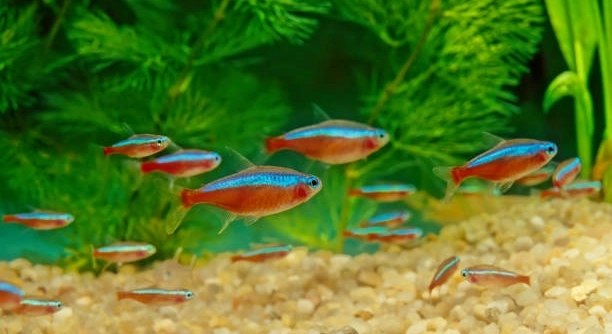
Neon Tetras are popular aquarium fish known for their vibrant colors. However, like all pets, they require a proper diet to thrive. Malnutrition can lead to various health issues. Recognizing early signs can help keep them healthy.
The most common signs of neon tetra malnutrition include faded colors, lethargy, loss of appetite, and abnormal swimming patterns. These symptoms can indicate a lack of essential nutrients, leading to weakened immune systems and potential long-term health issues.
Proper diet and care are key to ensuring your neon tetra remains healthy and vibrant.
Signs of Neon Tetra Malnutrition
Neon Tetras need a balanced diet to stay healthy. If they don’t get the right nutrients, it can affect their appearance and behavior. Malnutrition often shows up as color loss, sluggish swimming, or reduced appetite. If not addressed, it can lead to weakened immune systems and other health issues. Maintaining a proper diet with varied food sources, including high-quality pellets, live foods, and occasional treats, helps prevent these issues. It’s also important to feed your Tetras in moderation. Overfeeding can be as harmful as underfeeding. Monitoring their health closely is key to ensuring they stay active and vibrant.
Recognizing the early signs of malnutrition is essential. A fading of colors and lack of interest in food are among the first signs that something is wrong. Immediate attention can prevent further complications.
Make sure you are providing a well-rounded diet. A varied selection of high-quality flakes, live food, and occasional bloodworms can help keep your neon Tetras thriving. Try to avoid overfeeding, as it can lead to water quality issues, affecting the overall health of your aquarium. Additionally, keeping the water parameters stable and clean can also play a role in preventing malnutrition. Healthy tank conditions are just as important as a nutritious diet.
Proper Diet for Neon Tetras
Maintaining a proper diet is crucial for neon Tetras. A variety of foods ensures they get the necessary nutrients for growth and health.
Neon Tetras benefit from a mix of high-quality flakes, pellets, and occasional live food. Flakes or pellets should form the base of their diet, providing essential vitamins and minerals. Live or frozen foods, such as brine shrimp or daphnia, offer extra protein and enrichment. Keep in mind that they are small fish, so food size matters. Offering food in small, frequent feedings allows them to properly digest it. Ensure the food is appropriate for their size, and avoid overfeeding, as excess food can lead to poor water quality.
Malnutrition and Neon Tetra Behavior
Malnutrition can cause noticeable changes in behavior. Neon Tetras may become lethargic or stop interacting with other fish. They may also show less interest in swimming or food.
When a neon tetra is malnourished, it might hide more often or swim erratically. You might also notice that they are not as active during feeding time. If you observe this behavior, it’s essential to check their diet and tank conditions. The right food and healthy water conditions should restore their energy. Pay attention to their swimming patterns. Any sudden changes could indicate that they are not getting the proper nutrients.
A malnourished neon tetra will often seem uninterested in its surroundings, spending more time near the tank’s bottom. This lack of energy or interest may suggest that their nutritional needs aren’t being met. If this continues, the fish could become more susceptible to illness. Ensuring a nutritious diet is vital for keeping them lively and engaged. Additionally, a clean tank with stable water parameters can improve their overall health.
The Importance of Tank Conditions
Neon Tetras thrive in well-maintained tanks. Without proper water conditions, even the best diet won’t be effective.
Water quality plays a significant role in your fish’s health. Neon Tetras prefer water temperatures between 72-80°F and a pH level between 6.0 and 7.5. Inconsistent water parameters can cause stress, weakening the fish’s immune system and making them more prone to malnutrition. Regular water changes and filtration are necessary to maintain a stable environment. Test the water regularly to ensure it’s free from harmful chemicals like ammonia or nitrites. Poor water quality can lead to skin problems, reduced appetite, and even death if not addressed.
A stable tank environment is key to preventing malnutrition. Stress caused by fluctuating water conditions can affect a neon tetra’s appetite and behavior. When water quality is compromised, fish might stop eating, leading to nutrient deficiencies. Regularly monitoring tank conditions helps you identify problems early. It’s important to create an environment where your fish feel safe and healthy. Keeping the tank clean and balanced ensures that your neon Tetras can absorb the nutrients from their food properly.
Lack of Variety in Diet
Feeding your neon tetra the same food daily can lead to malnutrition. A monotonous diet doesn’t provide all the nutrients they need to thrive.
Variety is essential for a healthy diet. Incorporating different foods like live, frozen, or high-quality flake foods ensures they get the vitamins and minerals they require. A lack of diversity in their meals can cause deficiencies, making them more vulnerable to illness. Feeding them a range of foods keeps their diet balanced and supports their health over time.
Providing a mixture of different food types helps meet their nutritional needs. Too much of one type can cause imbalances, leading to poor health. Changing up their meals regularly encourages proper growth and energy levels. Variety prevents the risk of deficiencies and ensures long-term health.
Overfeeding and Its Effects
Overfeeding is just as harmful as underfeeding. Too much food in the tank can lead to water quality problems and fish health issues.
Excess food can pollute the tank quickly, leading to ammonia spikes, which stress the fish and lower their immunity. Overfeeding also affects digestion and can cause fat accumulation. Neon Tetras don’t need large amounts of food. Overfeeding can lead to constipation, bloating, and even death in severe cases. It’s important to feed them only what they can consume in a few minutes, removing any leftover food promptly.
Impact of Malnutrition on Lifespan
Malnutrition can significantly reduce a neon tetra’s lifespan. Inadequate nutrition weakens their immune system and makes them more susceptible to diseases.
A poor diet over time compromises their overall health. If malnutrition isn’t corrected, it can cause chronic health problems that affect their vitality and longevity. To ensure a healthy life, neon Tetras need the proper balance of nutrients, clean water, and regular care. Neglecting these aspects can shorten their lifespan and reduce their quality of life.
FAQ
What should I feed my neon tetra to prevent malnutrition?
To prevent malnutrition, feed your neon tetra a balanced diet that includes high-quality flakes or pellets, supplemented with live or frozen foods such as brine shrimp or daphnia. Offering a variety of foods ensures they receive all the necessary nutrients. Be mindful not to overfeed, as excess food can lead to water quality problems and stress.
How often should I feed my neon tetra?
Feed your neon tetra once or twice a day, providing only what they can consume in a few minutes. Overfeeding is harmful and can lead to uneaten food polluting the tank. It’s important to observe their behavior during feeding time to ensure they are eating properly.
Can malnutrition in neon tetras be reversed?
Yes, malnutrition can be reversed with proper diet and tank conditions. If you notice signs of malnutrition, such as faded colors or lethargy, adjust their diet to include a wider variety of foods. Additionally, improve the water quality and keep the tank clean. With proper care, neon tetras can recover and regain their health.
What are the signs that my neon tetra is malnourished?
Signs of malnutrition in neon tetras include faded colors, lethargy, a lack of interest in food, and abnormal swimming behavior. If you notice these symptoms, it’s crucial to reassess their diet and ensure they are receiving a balanced, nutritious food supply. Poor water quality can also contribute to these signs.
How do I improve the water quality for my neon tetra?
To improve water quality, perform regular water changes, ideally 25-30% of the tank volume every week. Use a good filtration system and test the water for ammonia, nitrite, and nitrate levels. Maintain the water temperature between 72-80°F and the pH between 6.0 and 7.5. Clean the substrate and remove any excess food from the tank to prevent water contamination.
Can neon tetras survive on a single type of food?
While neon tetras can survive on a single type of food, it’s not ideal for their long-term health. A varied diet ensures they receive all the necessary nutrients for optimal growth and immune function. Relying on just one type of food can lead to nutrient deficiencies and malnutrition. It’s best to mix different food sources, such as flakes, pellets, and live or frozen foods.
Why is my neon tetra swimming erratically?
Erratic swimming could be a sign of stress, poor water quality, or malnutrition. Check the water conditions to ensure they are stable, with appropriate temperature, pH, and ammonia levels. If the water quality is fine, observe their feeding habits to see if they are receiving a balanced diet. Erratic swimming may also be linked to illness or injury, so monitor their behavior closely.
Is overfeeding harmful to neon tetras?
Yes, overfeeding is harmful to neon tetras. It can cause digestive problems, such as bloating or constipation, and contribute to poor water quality, which can stress the fish. Uneaten food can decompose, leading to increased ammonia levels in the tank. Feed only as much as the fish can consume in a few minutes to avoid these issues.
What is the best temperature for neon tetras?
The ideal temperature range for neon tetras is between 72°F and 80°F (22°C to 27°C). Maintaining this temperature range helps ensure they stay healthy and active. Sudden fluctuations in temperature can stress the fish, making them more vulnerable to malnutrition and diseases. Use a reliable aquarium heater to maintain a stable environment.
Can poor water quality lead to malnutrition in neon tetras?
Yes, poor water quality can contribute to malnutrition. Stress caused by bad water conditions weakens a neon tetra’s immune system, making it harder for them to absorb nutrients properly. High levels of ammonia or nitrites, or an unbalanced pH, can reduce their appetite and cause lethargy. Keeping the tank clean and maintaining good water quality is crucial for preventing malnutrition.
How can I tell if my neon tetra is eating enough?
To determine if your neon tetra is eating enough, observe their behavior during feeding time. They should eagerly swim toward the food and consume it within a few minutes. If food is left uneaten in the tank or the fish appear uninterested, it may be a sign that they are not eating enough or the food is not suitable. Additionally, if your neon tetra shows signs of malnutrition, such as weight loss or faded colors, they may not be getting enough nutrition.
Can stress affect the health of my neon tetra?
Yes, stress can significantly affect the health of neon tetras. Stress can lead to reduced appetite, poor immune function, and vulnerability to diseases. Common stressors include poor water quality, overcrowding, or aggressive tank mates. Reducing stress factors, such as maintaining stable water conditions and ensuring a peaceful tank environment, is essential for their well-being.
What type of tankmates are best for neon tetras?
Neon tetras are peaceful fish that do well with other non-aggressive species. Ideal tankmates include other small, peaceful fish like guppies, Corydoras catfish, or other tetra species. Avoid aggressive or larger fish that may intimidate or harm your neon tetras. A peaceful community tank helps reduce stress and promote healthy, active fish.
Is it necessary to provide live food for neon tetras?
Providing live food is not strictly necessary for neon tetras, but it can enhance their diet and stimulate natural hunting behaviors. Live foods like brine shrimp, daphnia, or micro worms are great sources of protein and essential nutrients. However, high-quality flake or pellet food can provide all the necessary nutrients when supplemented properly. Feeding live food occasionally can be a good addition to their diet.
How long can neon tetras go without food?
Neon tetras can survive for several days without food, but it’s not ideal to let them go without eating for extended periods. If you’re going away, it’s best to use an automatic fish feeder or ask someone to feed your fish in your absence. Regular feeding is essential for maintaining their health and energy levels.
Can malnutrition make neon tetras more susceptible to diseases?
Yes, malnutrition weakens a neon tetra’s immune system, making them more susceptible to diseases. Proper nutrition supports their immune function, helping them fight off infections and stress. If your fish show signs of illness, such as lesions, unusual swimming, or lethargy, it may be linked to a nutrient deficiency or poor diet.
Final Thoughts
Neon tetras are relatively easy to care for, but maintaining their health requires attention to their diet and environment. Malnutrition can be prevented with a balanced and varied diet that includes quality flakes, pellets, and live or frozen foods. Offering different types of food ensures they receive the nutrients they need for proper growth and a strong immune system. Regular feeding and avoiding overfeeding will help keep your fish in good condition. Monitoring their behavior and eating habits is essential to make sure they are getting enough food and nutrients.
Water quality is just as important as diet. Poor water conditions can lead to stress, which can cause a variety of health issues, including malnutrition. Regular water changes, maintaining proper temperature, and testing for ammonia, nitrite, and nitrate levels will help keep your neon tetras in a healthy environment. Keeping the tank clean and removing excess food prevents pollution and reduces the risk of water-related illnesses. Stress from poor water quality can weaken your fish’s immune system, making it harder for them to absorb nutrients and stay healthy.
Addressing the signs of malnutrition early is important for recovery. If you notice symptoms like faded colors, lethargy, or a lack of appetite, adjust their diet and improve tank conditions. With proper care, neon tetras can recover from malnutrition and lead healthy, active lives. Regular monitoring of both diet and water quality will ensure they thrive long-term. By paying attention to their needs and providing the right conditions, you can enjoy the beauty of healthy neon tetras for many years to come.

Hello,
If you enjoy the content that we create, please consider saying a "Thank You!" by leaving a tip.
Every little bit helps us continue crafting quality advice that supports the health, happiness, and well-being of pets around the world, for pets of all shapes, sizes, and species.
We really appreciate the kindness and support that you show us!