
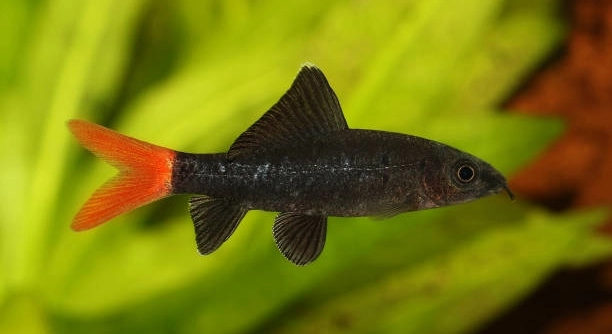
Rainbow Sharks are popular freshwater fish known for their striking colors and active nature. Keeping them healthy is important for any aquarium owner. Recognizing when your fish might be ill can help prevent serious problems early on.
Common signs of illness in Rainbow Sharks include changes in behavior, loss of appetite, visible spots or discoloration, abnormal swimming patterns, fin damage, labored breathing, and unusual growths. Identifying these symptoms promptly supports timely treatment and better outcomes.
Knowing these signs will help you care for your Rainbow Shark more effectively. This guide will cover the most frequent indicators to watch for in your fish.
Changes in Behavior
When a Rainbow Shark starts acting differently, it can be a clear sign something is wrong. These fish are usually active swimmers, exploring the tank and interacting with their environment. If you notice your Rainbow Shark hiding more than usual, staying still at the bottom, or swimming erratically, it may be feeling unwell. Sometimes, illness makes them less responsive to food or tank mates. Observing these changes early can help you take action before the condition worsens. Keep an eye on how your fish normally behaves so you can spot any unusual activity right away.
Behavior changes are often the first indication of illness in Rainbow Sharks. Early detection is crucial for effective treatment.
Monitoring your Rainbow Shark’s behavior regularly is one of the simplest and most effective ways to ensure its health. If it suddenly becomes less active or avoids the usual swimming areas, check the water conditions and consider a health assessment. Prompt attention to these changes helps prevent more serious issues and improves recovery chances.
Loss of Appetite
A loss of appetite in Rainbow Sharks often signals an underlying health problem. When healthy, these fish eagerly eat their food and show interest during feeding times. If your Rainbow Shark stops eating or shows reduced interest in food, it is important to investigate. Factors like poor water quality, stress, or disease can affect their appetite. Regularly monitor feeding habits and note any declines to act quickly. Loss of appetite can lead to weakness, making your fish more vulnerable to infections.
Loss of appetite can indicate various health issues requiring immediate attention.
Ensuring your Rainbow Shark eats well is essential for its vitality. When appetite drops, first check tank conditions such as temperature, pH levels, and cleanliness. Stress from aggressive tank mates or overcrowding may also reduce feeding. If these factors are controlled and the fish still refuses food, consider consulting a veterinarian. Providing a balanced diet and stable environment supports a healthy appetite and prevents illness.
Visible Spots or Discoloration
Visible spots or changes in color often point to infection or poor water quality. These signs can include white patches, red sores, or faded colors on your Rainbow Shark’s body.
Spots on a Rainbow Shark’s body usually indicate parasites, fungal infections, or bacterial diseases. These infections often develop when water quality is poor or the fish’s immune system is weakened. White spots could be ich, a common parasitic infection. Red sores or patches might suggest bacterial infection. Faded color can also be a symptom of stress or illness. It is important to act quickly by testing water parameters and treating the tank if necessary. Regular water changes and maintaining cleanliness help prevent these issues.
Discoloration can also be caused by stress, diet changes, or aging. Keeping the tank environment stable and providing a healthy diet will help maintain your fish’s vibrant colors. If spots or discoloration persist, seek advice from a fish health professional.
Abnormal Swimming Patterns
Abnormal swimming can indicate internal problems or external stressors affecting your Rainbow Shark. This includes swimming upside down, erratic darting, or difficulty maintaining balance.
Swimming irregularities often result from swim bladder disorders, which affect buoyancy and movement. Swim bladder problems may occur due to infections, constipation, or injury. Other causes include poor water quality or the presence of toxins. Erratic swimming may also be a sign of neurological issues or parasites. Monitoring your fish’s movements closely helps detect early signs of distress. Adjusting the tank conditions and diet can improve swim bladder health. In some cases, medication prescribed by a vet might be necessary.
If your Rainbow Shark struggles to swim normally, check water temperature and cleanliness first. Avoid sudden changes in the tank environment, as these can worsen swimming problems. Providing a spacious tank with hiding spots reduces stress and encourages natural movement.
Fin Damage
Damaged fins are a common sign of illness or poor tank conditions in Rainbow Sharks. Torn, frayed, or clamped fins often indicate infection or stress.
Fin rot is a bacterial infection that causes fins to deteriorate. Poor water quality and injuries from tank mates contribute to this problem. Treating the water and isolating the fish can help recovery.
Labored Breathing
Labored breathing in Rainbow Sharks is a serious symptom that needs prompt attention. Rapid gill movement or gasping at the surface can indicate oxygen deficiency or illness.
Unusual Growths
Unusual growths such as lumps or bumps on a Rainbow Shark’s body may signal tumors, cysts, or infections. These abnormalities need close monitoring and possibly veterinary care.
General Care Tips
Maintaining stable water conditions and a balanced diet supports your Rainbow Shark’s health. Regular tank maintenance helps prevent illness and keeps your fish active.
FAQ
How can I tell if my Rainbow Shark is sick?
Signs of illness include changes in behavior, loss of appetite, visible spots or discoloration, fin damage, abnormal swimming, labored breathing, and unusual growths. Watching your fish closely and noting any sudden changes helps catch problems early.
What should I do if I notice spots on my Rainbow Shark?
Spots often indicate parasites or infections. Test your water quality first and perform partial water changes. If spots persist, treat the tank with appropriate medication recommended for common fish diseases.
Why is my Rainbow Shark not eating?
Loss of appetite can result from stress, poor water conditions, illness, or aggressive tank mates. Check water parameters, remove any aggressive fish, and offer a variety of high-quality foods to encourage eating.
What causes fin damage in Rainbow Sharks?
Fin damage may be caused by bacterial infections, poor water quality, or injuries from tank mates. Maintain clean water, avoid overcrowding, and isolate injured fish if needed for treatment.
How can I improve my Rainbow Shark’s swimming issues?
Abnormal swimming can be due to swim bladder problems, infections, or stress. Keep the water clean, ensure a balanced diet, and avoid sudden changes in tank conditions. If the issue continues, consult a fish health specialist.
Is labored breathing a sign of serious illness?
Yes, labored breathing often means low oxygen levels, gill disease, or toxic water. Improve aeration, test water parameters, and treat any identified illnesses promptly.
What causes unusual growths on my Rainbow Shark?
Growths can be tumors, cysts, or infections. Monitor the size and appearance closely. If the growth worsens or affects the fish’s behavior, seek professional veterinary advice.
How often should I clean my Rainbow Shark’s tank?
Regular maintenance is key. Partial water changes of 20-30% weekly help maintain water quality. Clean decorations and gravel monthly to remove buildup but avoid complete tank cleaning, which can stress fish.
Can poor diet cause health problems in Rainbow Sharks?
Yes, an unbalanced diet weakens their immune system and can lead to illness. Provide a varied diet with high-quality pellets, vegetables, and occasional protein treats for optimal health.
How can I reduce stress for my Rainbow Shark?
Stress comes from overcrowding, poor water quality, aggressive tank mates, and sudden environmental changes. Keep tank conditions stable, provide hiding places, and avoid overcrowding.
When should I isolate my Rainbow Shark?
Isolate if you notice signs of contagious disease, severe injury, or abnormal behavior that could worsen from tank mates’ aggression. Quarantine tanks allow for focused treatment and faster recovery.
Can I prevent most illnesses in Rainbow Sharks?
Yes, prevention is possible with regular tank maintenance, proper feeding, good water quality, and monitoring your fish’s behavior daily. Early detection and care keep your Rainbow Shark healthy.
Taking good care of your Rainbow Shark means paying close attention to its health and environment. Watching for common signs of illness early on can make a big difference in your fish’s well-being. Changes in behavior, loss of appetite, visible spots, or fin damage are all indicators that something might be wrong. Catching these signs quickly allows you to take steps to help your fish recover before the problem gets worse. Maintaining clean water and a stable tank environment is essential for preventing many health issues. Regular water changes and monitoring the tank’s temperature and pH help create a safe space for your Rainbow Shark to thrive.
Feeding your Rainbow Shark a balanced diet is another key part of keeping it healthy. A diet that includes quality pellets, vegetables, and occasional protein treats supports its immune system and overall condition. When a Rainbow Shark stops eating or shows less interest in food, it often signals stress or illness. Addressing these feeding issues quickly can prevent your fish from becoming weak and more vulnerable to disease. Additionally, providing hiding spots and avoiding overcrowding reduces stress, which plays a significant role in the fish’s health. Stress weakens the immune system and can lead to many common illnesses in Rainbow Sharks.
Regular observation is one of the simplest and most effective ways to ensure your Rainbow Shark stays healthy. Take time to watch how your fish moves, eats, and interacts with other tank mates. This attention helps you notice any abnormal signs early. If you see symptoms like abnormal swimming, labored breathing, or unusual growths, it is important to act promptly. Testing water quality and seeking advice from a fish health professional can provide the right treatment. Taking these steps creates a supportive environment that helps your Rainbow Shark live a long and healthy life.

Hello,
If you enjoy the content that we create, please consider saying a "Thank You!" by leaving a tip.
Every little bit helps us continue crafting quality advice that supports the health, happiness, and well-being of pets around the world, for pets of all shapes, sizes, and species.
We really appreciate the kindness and support that you show us!