
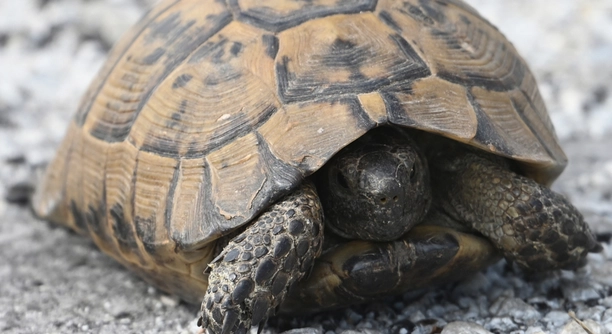
Russian tortoises are wonderful pets, but sometimes they can show signs of illness. It’s important to understand how to recognize when something might be wrong with your shelled friend to ensure their well-being.
Common signs of illness in Russian tortoises include a lack of appetite, lethargy, abnormal breathing, or changes in their shell. Noticing these symptoms early can help in providing them with the right care and treatment.
Recognizing these signs is crucial for their health. Understanding how to care for a sick tortoise can help improve their quality of life and prevent further issues.
Lack of Appetite
If your Russian tortoise suddenly stops eating, it could be a sign something is wrong. A healthy tortoise is usually eager to eat, so when they lose interest in their food, it’s important to pay attention. Factors like stress, temperature changes, or improper diet can cause them to stop eating. In some cases, it could be an early warning of a more serious health issue.
Your tortoise might also refuse certain foods that they usually enjoy, indicating a specific problem. Make sure to monitor their eating habits, and if the lack of appetite persists, consult a vet to rule out any underlying health conditions.
If they aren’t eating, check their environment. Ensure they are in the right temperature range and have a proper place to hide if they feel stressed. Sometimes, they may stop eating if they feel unsafe or uncomfortable in their habitat.
Changes in Behavior
When a tortoise becomes unusually lethargic or inactive, it could be a sign that they’re not feeling well. Russian tortoises are typically active creatures, so if they are spending a lot of time hiding or barely moving, it’s time to take a closer look.
Lethargy could indicate anything from an incorrect environment to an infection. The first step is to rule out environmental factors such as temperature and lighting. If everything seems fine, then consider seeking veterinary care. A vet can help you pinpoint any infections or illness affecting your tortoise.
Always monitor their behavior closely. A healthy tortoise is curious and will explore their surroundings. If they seem uninterested in moving, or spend an abnormal amount of time hiding, it’s important not to ignore it. Changes in behavior are often the first signs of something amiss.
Abnormal Breathing
If your tortoise is breathing heavily or making unusual sounds, it’s a sign that something is off. Russian tortoises should breathe easily, and heavy breathing could be caused by respiratory infections or stress.
Check for nasal discharge or labored breathing. If you notice these, the tortoise could be fighting off an infection. Make sure the habitat is not too humid or too dry, as this can impact their respiratory health. Respiratory issues can worsen quickly, so it’s important to address them as soon as you notice any changes.
Ensure that your tortoise is not exposed to drafts or cold temperatures, as this can make respiratory problems worse. If abnormal breathing continues, consult a vet for proper treatment. Sometimes, antibiotics may be necessary to help clear up any infection.
Swollen or Discolored Eyes
Swelling around the eyes or discharge is another sign of illness in Russian tortoises. It can be caused by eye infections or an issue with their diet or habitat.
Swelling, redness, or crusty discharge around the eyes often points to an eye infection. Make sure your tortoise has access to clean water and is kept in a dry, warm environment. Poor living conditions can make them more prone to these types of infections.
Eye infections can be treated with topical medications prescribed by a veterinarian. If left untreated, it can lead to long-term issues with vision or overall health. In some cases, dietary changes, such as adding more vitamin A, can help prevent these issues from occurring.
Soft or Pitted Shell
A soft or pitted shell can be a serious warning sign for your Russian tortoise. This condition often results from a lack of calcium or improper lighting.
Make sure your tortoise is receiving proper UVB lighting, which is crucial for calcium absorption. Without enough UVB light, they can develop metabolic bone disease, leading to a soft shell. Additionally, check if their diet includes calcium-rich foods.
If you notice any softness or pits, consult a vet. Calcium supplements and proper UVB lighting can help reverse some damage, but it’s important to catch it early. If untreated, the condition can cause lasting harm to their shell structure.
Uneven Walking or Limping
If your tortoise is limping or walking unevenly, it may have injured its legs or feet. This can happen due to falls or improper handling.
Examine the legs for swelling or injury, as even a small cut or bruise can cause lameness. Make sure their habitat is safe and free of sharp objects or hazards that could lead to injury. If limping persists, a visit to the vet is necessary to rule out fractures or infections.
Limping can also be a symptom of a nutritional imbalance. Ensure your tortoise has a well-balanced diet to promote strong limbs. Poor nutrition can lead to weakness in the legs and make your tortoise more prone to injuries.
Diarrhea or Runny Stool
Diarrhea or runny stools can indicate that your Russian tortoise is experiencing digestive issues. This can be caused by diet changes, stress, or even parasites.
Monitor the consistency of their stool and ensure they are eating foods that are appropriate for their species. If the diarrhea lasts more than a few days, it’s important to seek veterinary advice. Stress from improper handling or changes in environment can also cause temporary digestive upset.
A diet rich in fiber and proper hydration can help improve digestion. Be cautious with new foods and ensure that your tortoise’s diet remains balanced to prevent digestive issues from occurring.
FAQ
What should I do if my Russian tortoise isn’t eating?
If your Russian tortoise isn’t eating, start by checking their environment. Make sure the temperature and humidity are in the correct range, as tortoises are sensitive to changes in these factors. A sudden change in diet or stress can also cause a loss of appetite. If these factors seem fine and they still aren’t eating, it could be due to illness, and you should consult a vet. Sometimes, offering fresh, appealing foods like leafy greens can help stimulate their appetite. If the lack of eating continues for more than a couple of days, getting a professional opinion is important.
How do I know if my tortoise is sick?
Look for changes in behavior such as lethargy, abnormal breathing, changes in eating habits, or unusual discharge from the eyes or nose. Other signs to watch for are shell damage, swelling, or limping. Pay attention to how they walk or move, as any difficulty can indicate injury or illness. When any of these symptoms are observed, it’s best to seek veterinary care. Early detection can prevent further complications and give your tortoise a better chance of recovery.
What are the signs of a respiratory infection in a tortoise?
Common signs of a respiratory infection in a tortoise include wheezing, nasal discharge, and labored breathing. You might also notice that your tortoise is spending more time hiding and not eating as much. In more severe cases, the eyes may become swollen or produce mucus. Respiratory infections can occur when a tortoise is kept in an environment with poor ventilation, too much humidity, or insufficient heat. If you suspect a respiratory infection, it’s important to visit the vet immediately for treatment, as these conditions can worsen quickly.
Can a tortoise recover from a soft shell?
Yes, a tortoise can recover from a soft shell if it’s caught early. The condition is often caused by a calcium deficiency or lack of UVB lighting. Start by ensuring your tortoise has proper UVB light, a calcium supplement, and a well-balanced diet. In more severe cases, a vet may need to prescribe a treatment plan, and the recovery might take some time. However, if left untreated for too long, the damage to the shell may become permanent. Preventing this condition is all about providing the right care from the start.
Is it normal for a tortoise to hide a lot?
While tortoises do seek out places to hide when they feel stressed or need rest, excessive hiding could indicate something’s wrong. If your Russian tortoise is hiding all the time, it might be feeling unwell or unsafe in its environment. This could also be a sign of stress due to poor habitat conditions like temperature fluctuations or changes in their routine. If this behavior is accompanied by other symptoms such as lack of eating or abnormal movement, it’s best to have your tortoise checked by a vet.
How often should I feed my Russian tortoise?
Russian tortoises typically eat once a day. However, if you’re feeding them a variety of greens and vegetables, you can offer food every other day as well. The diet should consist mainly of leafy greens like dandelion greens, collard greens, and kale, with a small amount of fruits and flowers. Overfeeding or feeding too many fruits can lead to digestive issues or obesity. It’s essential to make sure they have access to fresh water at all times, as hydration plays a big role in their health.
Can I give my tortoise fruits?
Yes, but only in moderation. Fruits should make up a small portion of their diet due to their high sugar content. Offering fruits like strawberries, watermelon, and apple slices occasionally is fine. Too much fruit can lead to diarrhea and other digestive issues. Instead, focus mainly on leafy greens and high-fiber vegetables to maintain a balanced diet. Always wash the fruits and veggies thoroughly to remove pesticides or chemicals that could harm your tortoise.
How do I properly handle my Russian tortoise?
Handling your Russian tortoise should be done gently and with care. They don’t enjoy being picked up for long periods, so keep handling to a minimum to avoid stress. When you do need to handle them, always support their body, especially their shell, and never grab them by their legs or tail. It’s best to place them gently in their habitat after short handling sessions. If your tortoise is stressed or resisting, give them space and avoid forcing interactions.
Can I keep a Russian tortoise outside?
Yes, but you need to make sure the outdoor environment is secure, safe, and climate-appropriate. If you live in an area with warm temperatures, you can create a secure outdoor enclosure where your tortoise can graze on natural vegetation. The enclosure should have a shady area for them to hide in and protect them from predators. Ensure they have access to fresh water and that the temperature doesn’t drop too low. In colder climates, it’s better to keep them indoors during the winter months to avoid health risks.
How do I prevent my tortoise from getting sick?
Prevention starts with creating the right environment. Make sure your tortoise has access to proper lighting (UVB), appropriate temperatures, and a well-balanced diet rich in fiber and calcium. Keep their habitat clean and free from mold or bacteria that can cause infections. Regularly check their shell for damage and their eyes for any signs of irritation or discharge. Limit handling to avoid stress and always monitor their behavior for any changes. Early intervention is key to preventing serious illnesses.
Final Thoughts
Taking care of a Russian tortoise requires attention to detail and commitment. These reptiles may be small, but their health can be affected by many factors, including diet, environment, and stress levels. Knowing the signs of illness is important for any tortoise owner, as early detection can prevent more serious issues down the road. If you notice anything unusual, such as changes in eating habits, behavior, or physical appearance, it’s crucial to address it promptly. Regular check-ups and maintaining a proper habitat will help keep your tortoise healthy for years to come.
Creating a stable and safe environment is key to preventing many of the health issues that Russian tortoises face. Make sure their enclosure has the right temperature, humidity, and lighting. A diet rich in calcium and fiber is essential for maintaining their shell and overall health. While they can sometimes be more sensitive to changes in their environment than other pets, these reptiles can thrive if provided with the proper care. Regularly monitor their behavior and make sure they have access to fresh water and clean food. A consistent, well-balanced routine goes a long way in ensuring their well-being.
Remember, a Russian tortoise’s health is strongly tied to their living conditions and diet. By keeping their habitat clean, their diet varied and nutritious, and watching for early signs of illness, you’ll be providing them with the best chance for a long and healthy life. If you’re ever uncertain about something, don’t hesitate to reach out to a vet who specializes in reptiles. With the right care and attention, your Russian tortoise can live a happy and healthy life.

Hello,
If you enjoy the content that we create, please consider saying a "Thank You!" by leaving a tip.
Every little bit helps us continue crafting quality advice that supports the health, happiness, and well-being of pets around the world, for pets of all shapes, sizes, and species.
We really appreciate the kindness and support that you show us!