
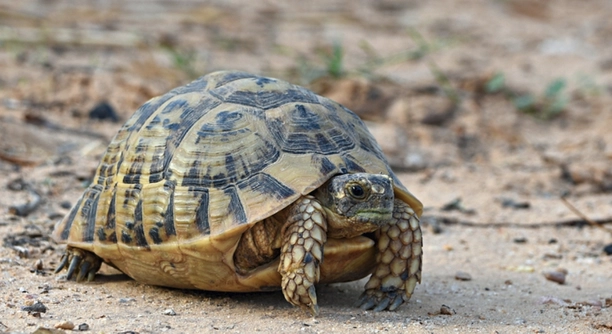
Russian Tortoises are fascinating creatures, but there are many myths that can make their care confusing. It’s important to separate fact from fiction when it comes to these lovable reptiles. Let’s explore some of these common misconceptions.
There are several myths surrounding Russian Tortoises, often causing owners to mismanage their care. These myths include inaccurate beliefs about their diet, habitat needs, and behavior, which can lead to unnecessary stress and health issues for the tortoises.
Understanding the truth behind these myths will help you become a better tortoise owner. Correcting these misunderstandings is key to ensuring their well-being and long-term happiness. Let’s get started on debunking them!
Myth 1: Russian Tortoises Only Need Lettuce in Their Diet
A common belief is that Russian Tortoises thrive on a diet of just lettuce. While lettuce might be a part of their diet, it’s not enough to keep them healthy. Lettuce, especially iceberg, contains little nutritional value and can even cause digestive problems if fed in excess. Russian Tortoises need a balanced diet that includes a variety of leafy greens, vegetables, and occasional fruits. Foods like dandelion greens, collard greens, and kale offer the essential nutrients they need. A lack of variety can lead to deficiencies in important vitamins and minerals, potentially affecting their health in the long run.
Feeding your tortoise a diverse diet is essential. They require high fiber and calcium, which lettuce cannot provide. When they eat the right foods, they can develop properly and stay active.
It’s also worth noting that feeding them too much fruit can be harmful. While they might love the sweetness, too much sugar can cause gastrointestinal issues. Offering a wide variety of foods helps maintain the proper balance for your tortoise’s well-being. Always prioritize variety when planning their meals.
Myth 2: Russian Tortoises Can Live in Small Enclosures
Another misconception is that Russian Tortoises are fine in small enclosures. Some owners think that a small tank is sufficient for their tortoise’s entire life. In reality, Russian Tortoises need room to roam and explore. A cramped space limits their ability to exercise and can lead to stress and other health issues. These tortoises are naturally burrowers and enjoy a large area to move around in, mimicking their natural environment. Providing a larger enclosure encourages them to engage in their instinctual behaviors, which is vital for their overall well-being.
A good enclosure for a Russian Tortoise should be at least 4 feet long and 2 feet wide for a single adult. This gives them plenty of space to roam, bask, and forage. Substrate like soil, sand, or a mix allows them to dig and create their own burrows. Adding hiding spots and climbing structures also provides enrichment. Additionally, if you have the space, consider creating an outdoor habitat for warmer months. This gives your tortoise the opportunity to enjoy natural sunlight, which is important for their health.
Myth 3: Russian Tortoises Are Low-Maintenance Pets
Russian Tortoises may seem low-maintenance, but they require more care than people think. While they don’t need constant attention, their diet, habitat, and health need regular monitoring. Proper care involves creating the right environment, keeping up with feeding schedules, and checking for signs of illness.
It’s important to keep their enclosure clean and provide the correct temperature and humidity levels. These tortoises need access to UVB light to help them process calcium and maintain a healthy shell. Without proper care, they can develop shell rot or other health issues. Additionally, regular handling and interaction can help them stay social and comfortable with you.
Regular vet checkups are also necessary, as tortoises can develop health problems like respiratory infections or parasites. Ensuring that their environment is safe and enriching also helps prevent stress and promotes a long, healthy life. Don’t underestimate the level of commitment required for a tortoise’s care.
Myth 4: Russian Tortoises Can Survive on Just a Warm Spot
Many believe that a warm spot is enough for a Russian Tortoise to thrive. However, they need a variety of temperature zones within their enclosure to feel comfortable. The warm spot is necessary for basking, but they also need a cooler area where they can retreat to regulate their body temperature.
A gradient temperature range is key to their health. One side of the enclosure should be kept at around 90°F for basking, while the cooler side should be around 75°F. This allows your tortoise to move between temperatures as needed. In addition to the warm and cool zones, it’s essential to provide proper humidity levels. Russian Tortoises come from arid environments, so a dry habitat is needed with only occasional moisture for hydration.
Maintaining these proper temperature gradients can prevent overheating and dehydration, which are common issues if the environment isn’t set up correctly. A simple thermometer and hygrometer can help you monitor these conditions and make adjustments when needed. If you’re unsure how to create these zones, there are many online resources and experts that can guide you in setting up the perfect habitat.
Myth 5: Russian Tortoises Don’t Need a Water Source
Many believe Russian Tortoises don’t need access to water. While they can absorb moisture through their food, they still require fresh water for hydration. A shallow dish with clean water should be provided daily for them to drink.
Water is essential for their digestion and overall health. Even if they don’t drink often, it’s crucial to offer it regularly. If water isn’t available, it can lead to dehydration and issues with their kidneys or skin. Make sure the water dish is not too deep to avoid the risk of drowning, especially for younger tortoises.
Myth 6: Russian Tortoises Are Fine in Cold Temperatures
Russian Tortoises may handle cooler temperatures better than some reptiles, but they should not be exposed to cold for extended periods. They are not frost-resistant, and temperatures below 50°F can cause them stress or even lead to death.
In cooler climates, it’s essential to ensure they are kept in a warm environment, especially during colder months. The ideal temperature for a Russian Tortoise is between 70°F to 85°F. If you live in an area with cold winters, keep them indoors and maintain proper heating to mimic their natural habitat. This ensures they stay healthy and active throughout the year.
FAQ
How big do Russian Tortoises get?
Russian Tortoises usually reach a length of 6 to 8 inches as adults. They are considered a small species compared to other tortoises, making them a great choice for people with limited space. Their size makes them manageable and easy to care for, but they still need a spacious enclosure to thrive.
What kind of habitat do Russian Tortoises need?
Russian Tortoises need a habitat that mimics their natural desert environment. A large enclosure with both warm and cool zones is essential. The warm side should be around 90°F, while the cooler side should be around 75°F. Providing UVB lighting is also crucial for their health.
The substrate should consist of sand and soil to allow them to burrow, as they naturally dig and hide. You can add rocks or logs for climbing, but make sure they are stable and won’t tip over. Humidity should be kept low to reflect their natural dry environment. Regular cleaning of the habitat is necessary to prevent bacteria growth and maintain a healthy living space.
Can I keep a Russian Tortoise in a tank?
While it’s possible to keep a Russian Tortoise in a tank, it’s not the best option. Tanks are usually too small and lack the space needed for proper exercise and exploration. If you choose a tank, make sure it is large enough to give them room to roam. A 40-gallon tank is the minimum size for an adult tortoise, but larger is always better.
A tank also doesn’t provide the necessary space for them to burrow. For a more suitable setup, consider using an outdoor pen or a large terrarium. These setups allow your tortoise to move freely and express natural behaviors.
What should I feed my Russian Tortoise?
Russian Tortoises are herbivores and should be fed a variety of leafy greens and vegetables. Some great options include dandelion greens, collard greens, mustard greens, and kale. They can also eat edible flowers, such as hibiscus, and occasionally fruits like strawberries or apples.
Avoid feeding them lettuce, especially iceberg, as it contains little nutritional value. Also, limit high-oxalate foods like spinach, which can interfere with calcium absorption. It’s important to provide calcium supplements to ensure they have strong shells and bones.
How often should I feed my Russian Tortoise?
Young Russian Tortoises should be fed daily, while adults can be fed every other day. Always offer a variety of fresh foods, and make sure the portions are suitable for their size. It’s important to remove uneaten food to avoid mold or bacterial growth.
Ensure that they have access to fresh water at all times. If your tortoise isn’t eating regularly, it could be a sign of health problems, and you should consult a vet. Proper feeding is essential for their growth, shell health, and longevity.
Can Russian Tortoises live with other animals?
Russian Tortoises can live with other tortoises, but you need to ensure they have enough space. However, they are not always compatible with other species of reptiles or pets. Some animals may stress them out, especially if there’s competition for food or space.
If you do plan to house multiple tortoises together, make sure to monitor them for any signs of aggression or dominance. A larger habitat with plenty of hiding spots and food can reduce stress and create a more peaceful environment.
How long do Russian Tortoises live?
Russian Tortoises typically live between 40 to 50 years in captivity, but they can live even longer with the right care. Their lifespan is largely influenced by diet, habitat conditions, and overall health management. Providing them with a proper environment and regular vet visits can help ensure they live a long, healthy life.
Do Russian Tortoises need a UVB light?
Yes, UVB lighting is essential for Russian Tortoises. It helps them produce vitamin D3, which is necessary for calcium absorption. Without UVB light, they are at risk for metabolic bone disease, which weakens their bones and shell.
UVB lights should be placed at the appropriate distance from the tortoise and should be replaced every 6 to 12 months, as their effectiveness diminishes over time. A combination of basking lights and UVB lamps is the best way to provide both heat and light for your tortoise.
Are Russian Tortoises easy to handle?
Russian Tortoises are generally calm and not overly aggressive, making them relatively easy to handle. However, they should not be handled too often as this can cause them stress. When handling them, be gentle and avoid picking them up by the shell, as it can cause discomfort.
If you want to hold your tortoise, support their body properly and allow them to explore at their own pace. Over time, they can become more accustomed to handling, but it’s important to respect their boundaries and avoid stressing them out.
How do I know if my Russian Tortoise is sick?
Some signs that your Russian Tortoise may be ill include a lack of appetite, lethargy, abnormal breathing, or a swollen or soft shell. If you notice any of these symptoms, it’s important to take them to a reptile vet immediately. Illness can progress quickly in tortoises, and early intervention is key to their recovery.
A healthy Russian Tortoise should be active, alert, and have a strong, firm shell. Regular health checkups can help catch problems early and prevent serious issues down the road. Keep an eye on their behavior and always seek professional care if something seems off.
Taking care of a Russian Tortoise is more involved than many people expect. While they might seem low-maintenance, they need the right environment, diet, and care to stay healthy. A common misconception is that they can be kept in small enclosures or fed only basic foods like lettuce, but these myths can lead to health issues for your tortoise. To ensure a long and healthy life, it’s important to provide them with plenty of space, a balanced diet, proper lighting, and regular vet checkups.
The myths about Russian Tortoises often stem from a lack of understanding about their natural behaviors and needs. For example, their habitat should mimic the conditions they would find in the wild, with temperature gradients and access to UVB light. These small reptiles are naturally curious and need the space to explore, dig, and bask. Without these opportunities, they can become stressed or develop health problems. Offering a variety of foods, including leafy greens, flowers, and occasional fruits, helps maintain their nutritional balance and overall health. Proper hydration and a clean habitat are also vital for their well-being.
Russian Tortoises are wonderful pets that can live for many years when cared for properly. By addressing common myths and focusing on their true needs, you can ensure that your tortoise remains happy and healthy for the long term. While they may not require constant attention, they do need a suitable environment and a dedicated owner who understands their specific needs. Whether you’re a new tortoise owner or someone who has had one for years, it’s always a good idea to stay informed and keep learning about how to provide the best care possible for your reptile companion.

Hello,
If you enjoy the content that we create, please consider saying a "Thank You!" by leaving a tip.
Every little bit helps us continue crafting quality advice that supports the health, happiness, and well-being of pets around the world, for pets of all shapes, sizes, and species.
We really appreciate the kindness and support that you show us!