
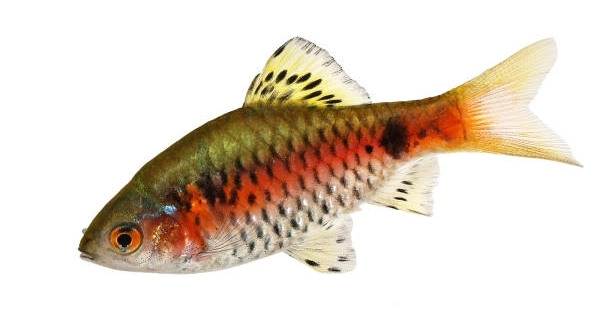
Rosy barbs are popular freshwater fish known for their bright colors and active nature. They can develop health problems that may affect their well-being. Recognizing common diseases early helps in maintaining a healthy aquarium environment.
Seven common diseases affect rosy barbs, including ich, fin rot, swim bladder disorder, dropsy, velvet disease, fungal infections, and bacterial infections. Each condition requires specific treatment methods to ensure effective recovery and prevent spread among tank mates.
Knowing these diseases and their treatments supports proper care and helps keep rosy barbs healthy and vibrant in your aquarium.
Ich (White Spot Disease)
Ich is a common parasitic infection in rosy barbs, characterized by small white spots on the fish’s body and fins. It often causes the fish to scratch against objects and show signs of stress or lethargy. The parasite attaches to the skin and gills, leading to breathing difficulties. Ich spreads quickly in crowded or unclean tanks. To treat it, raise the water temperature slightly and use over-the-counter ich medication. Maintaining good water quality and avoiding sudden temperature changes can prevent outbreaks. Regular tank cleaning and quarantine of new fish are important steps in control. Observing your fish closely for early symptoms can make treatment more effective and reduce the risk of permanent damage.
Ich typically appears as white spots on the fish’s body and fins. Treatment involves raising water temperature and using specific medications designed to eliminate the parasite quickly.
Early intervention and tank management help control ich. Keeping water clean and stable prevents future infections and protects your rosy barbs’ health.
Fin Rot
Fin rot causes the edges of a rosy barb’s fins to become ragged and discolored. It results from bacterial infection often linked to poor water quality or injury. Infected fins may appear frayed, with white or red edges, and fish may show reduced activity. Stress, overcrowding, and inadequate filtration increase the risk of fin rot. Treatment includes improving water conditions, using antibacterial medications, and removing aggressive tank mates if necessary. Preventative care such as regular water changes and monitoring fish behavior reduces the chance of this disease developing. Early treatment improves fin regeneration and reduces complications.
Fin rot appears as damaged, ragged fins and is caused by bacteria from poor tank conditions. Proper care and medication are key to healing.
Maintaining clean water and reducing stress are essential to prevent fin rot. Treatment should begin as soon as symptoms are noticed to ensure recovery.
Swim Bladder Disorder
Swim bladder disorder affects a rosy barb’s ability to control buoyancy. Fish may float awkwardly or sink to the tank bottom, struggling to swim properly. Causes include constipation, poor diet, or injury.
To manage swim bladder issues, first improve diet by feeding high-quality, fiber-rich foods like peas (with skins removed). Avoid overfeeding and maintain a varied diet to support digestion. Sometimes, fasting the fish for a day or two can help clear blockages causing the problem. Keeping water clean and stable also reduces stress that might worsen symptoms. In some cases, swim bladder problems resolve on their own with proper care and patience.
If symptoms persist, check water parameters for toxins or infections that could affect swim bladder function. Consult a vet if the fish shows signs of infection or physical injury to ensure correct treatment. Consistent care is key to helping your rosy barb regain normal swimming behavior.
Dropsy
Dropsy is a serious condition marked by swelling of the body and raised scales, caused by internal bacterial infections. It often results from poor water quality or untreated injuries. Fish with dropsy look bloated and may have difficulty swimming.
To treat dropsy, improve tank cleanliness with frequent water changes and maintain ideal water parameters. Use antibacterial medications recommended for internal infections. Quarantine affected fish to prevent spreading bacteria to others. Providing a nutritious diet strengthens the fish’s immune system during recovery. Dropsy can be fatal if left untreated, so early detection is crucial.
Prevention focuses on maintaining a clean tank, avoiding overcrowding, and promptly treating minor injuries or infections. Regular monitoring helps catch early signs before the condition worsens. Understanding the causes of dropsy allows better care for your rosy barbs’ health.
Velvet Disease
Velvet disease is caused by a parasite that gives rosy barbs a dusty, gold or rusty coating on their skin. Infected fish may scratch against surfaces and show rapid breathing.
Treatment requires specific antiparasitic medications and improved water quality. Early action prevents serious damage.
Fungal Infections
Fungal infections appear as cotton-like patches on the skin, fins, or gills. They often develop after an injury or stress weakens the fish’s immune system. Keeping the water clean and using antifungal treatments helps control the infection. Remove affected fish to a quarantine tank if possible to avoid spreading. Proper nutrition and regular tank maintenance reduce the risk of fungal problems.
Bacterial Infections
Bacterial infections can cause redness, ulcers, or swollen areas on rosy barbs. These infections often follow injury or poor water conditions. Using antibacterial medications and improving water quality are essential for treatment.
Prevention Tips
Good tank hygiene, proper diet, and quarantine of new fish reduce disease risk. Regular observation helps catch problems early.
FAQ
How can I tell if my rosy barb is sick?
Look for changes in behavior such as lethargy, loss of appetite, or erratic swimming. Physical signs include spots, swelling, ragged fins, or unusual coatings on the skin. Early detection improves treatment success and prevents spread to other fish.
What is the best way to treat ich in rosy barbs?
Increase the water temperature to around 78–80°F to speed up the parasite’s life cycle. Use a medicated treatment designed for ich, following package instructions carefully. Maintain good water quality and avoid overcrowding during treatment.
Can fin rot be reversed?
Yes, fin rot can be reversed if caught early. Improving water conditions and using antibacterial medications help the fins heal. Avoid aggressive tank mates and stress to allow regeneration. Full recovery may take several weeks depending on severity.
How often should I clean my aquarium to prevent diseases?
Perform regular water changes of 20-30% weekly. Clean gravel and remove uneaten food regularly. Proper filtration and avoiding overfeeding help maintain good water quality, reducing disease risk.
Is it necessary to quarantine new fish?
Quarantining new fish for at least two weeks prevents introducing diseases into your main tank. This practice helps spot health issues early and protects existing fish from infection.
What diet helps prevent swim bladder issues?
Feed a balanced diet with high-quality pellets and occasional fresh or frozen foods. Including fiber-rich foods like peeled peas can improve digestion and reduce swim bladder problems. Avoid overfeeding.
Can dropsy be cured?
Dropsy is difficult to cure and often fatal if untreated. Early treatment with antibiotics and improved water quality can help some fish recover. Prevention through good tank hygiene is the best approach.
How do I treat velvet disease?
Use antiparasitic medications specifically for velvet disease. Dim the tank lights during treatment as parasites dislike bright light. Increase aeration and keep water clean to support fish recovery.
Are fungal infections contagious?
Fungal infections can spread in the aquarium. Isolating affected fish and treating with antifungal medication helps control outbreaks. Maintaining good water conditions prevents fungal growth.
What causes bacterial infections in rosy barbs?
Bacterial infections result from injuries, poor water quality, or stress. Using antibiotics and improving tank conditions are key to treatment. Avoid overcrowding and maintain cleanliness to reduce infection risk.
How do I keep my rosy barbs healthy long term?
Provide a clean tank with stable water parameters, a balanced diet, and proper tank mates. Monitor fish regularly for signs of illness. Quarantine new additions and maintain a consistent care routine.
Can stress cause diseases in rosy barbs?
Yes, stress weakens the immune system and increases vulnerability to infections. Stress factors include poor water quality, sudden changes, overcrowding, and aggressive tank mates. Minimizing stress supports fish health.
Is it safe to treat my entire tank for diseases?
Treating the whole tank is often necessary for contagious diseases. Follow medication instructions closely and remove activated carbon from filters during treatment, as it can absorb medicines. Monitor fish during treatment for side effects.
How long does it take for rosy barbs to recover from common diseases?
Recovery time varies depending on the disease and severity. Mild conditions like ich or fin rot may improve in one to two weeks, while more serious illnesses like dropsy take longer and may not fully resolve. Consistent care speeds healing.
What should I do if my fish does not improve after treatment?
If there is no improvement, reassess water quality and medication use. Consider consulting a veterinarian specialized in fish health. Sometimes, changing treatment or addressing secondary infections is necessary.
Are there any natural remedies for rosy barb diseases?
Some hobbyists use natural options like salt baths or herbal treatments for mild conditions. However, effectiveness varies and is not guaranteed. For serious infections, commercial medications are more reliable. Always research carefully before use.
Final Thoughts
Keeping rosy barbs healthy requires attention to their environment and care routine. These fish are generally hardy but can be vulnerable to several common diseases if conditions are not ideal. Maintaining clean water, stable temperatures, and proper filtration is essential for preventing many health issues. Regular water changes help remove waste and toxins that stress the fish and weaken their immune systems. A balanced diet with quality food supports overall health and aids recovery if illness occurs. Observing your fish daily for any signs of unusual behavior or appearance is important. Early detection makes treatment easier and increases the chance of full recovery.
Disease prevention is often simpler than treatment. Quarantining new fish before adding them to the main tank can stop many infections from spreading. Avoid overcrowding and aggressive tank mates that may cause injury or stress. Stress is a major factor that can lead to illness, so creating a calm and stable environment benefits your rosy barbs. If disease does occur, prompt and appropriate treatment is necessary. Different diseases require specific medications and care strategies. Using the right treatment and maintaining good water quality improves the chances of success. Patience is key, as some diseases take time to heal completely.
Caring for rosy barbs is rewarding when you see them healthy and active. Understanding common diseases and their treatments helps protect your fish and extends their lifespan. Keeping the tank clean, feeding properly, and watching for early warning signs are the best ways to ensure your fish thrive. Being prepared with knowledge about illnesses means you can act quickly if problems arise. With consistent care and attention, rosy barbs can live vibrant lives in your aquarium. This care not only benefits the fish but also creates a pleasant and enjoyable aquarium experience for you.

Hello,
If you enjoy the content that we create, please consider saying a "Thank You!" by leaving a tip.
Every little bit helps us continue crafting quality advice that supports the health, happiness, and well-being of pets around the world, for pets of all shapes, sizes, and species.
We really appreciate the kindness and support that you show us!