
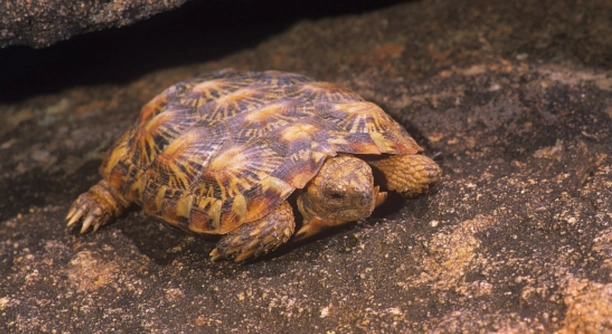
Is your tortoise refusing to drink water, leaving you concerned about its hydration? A sudden change in drinking habits can indicate an underlying issue. Understanding the reasons behind this behavior can help you determine the best way to address it.
Tortoises may stop drinking water due to factors like dietary moisture intake, environmental humidity, or underlying health concerns. Some species naturally drink less, while stress, illness, or incorrect habitat conditions can also contribute to decreased water consumption. Monitoring their behavior is essential.
Various factors influence a tortoise’s hydration needs, and recognizing them can make a difference in their well-being. Exploring these reasons will help you create the right environment and ensure your tortoise stays properly hydrated.
Lack of Access to Fresh Water
Tortoises need easy access to clean, fresh water. If their water source is dirty, too shallow, or difficult to reach, they may avoid drinking altogether. Some tortoises prefer shallow dishes, while others need slightly deeper bowls to encourage hydration. The water should be changed regularly to prevent contamination. Temperature also plays a role—cold water can discourage drinking, while lukewarm water may be more appealing. Additionally, some tortoises prefer drinking from moving water, so occasional misting or offering water droplets on leaves can help stimulate their interest. Ensuring they have a comfortable and accessible water source is key.
A tortoise that struggles to access water may become dehydrated over time. Dehydration can lead to health problems, including sluggishness and digestive issues. Providing the right setup can prevent these concerns.
Observing their drinking habits and adjusting their water source can encourage regular hydration. A simple change in placement or dish type may be all they need.
High Moisture Content in Their Diet
Some tortoises get most of their water from food. If they consume hydrating foods like cucumbers, melons, or leafy greens, they may drink less. Their bodies naturally adjust to moisture intake, reducing the need for additional water.
While a diet rich in moisture can support hydration, it should not replace access to fresh water. Tortoises still need the option to drink, especially in dry environments. If they rely solely on food for hydration, they might not drink enough during warmer months or when eating drier foods. Offering a variety of foods helps balance their hydration levels.
A diet that is too high in water content may also cause loose stool, leading to dehydration in the long run. If your tortoise is eating a lot of watery foods but refusing to drink, consider adjusting their diet. Introduce more fiber-rich options like hay, dandelion greens, or hibiscus leaves to encourage them to drink naturally. Keeping a balance between food-based hydration and direct water intake ensures they stay properly hydrated.
Stress or Environmental Changes
Tortoises can stop drinking when faced with stress or sudden environmental changes. Moving to a new enclosure, loud noises, or disruptions in their routine can make them uneasy. A stressed tortoise may become less active and ignore food and water altogether.
Temperature fluctuations and incorrect humidity levels can also cause them to drink less. If their habitat is too dry, they may not recognize their need for water. On the other hand, excessive humidity can make them feel less thirsty. Ensuring a stable, well-maintained environment helps regulate their hydration needs. A warm basking area, proper substrate, and hiding spots can make them feel secure.
Monitoring their behavior can reveal if stress is affecting their hydration. If they seem withdrawn or hesitant, making small adjustments to their habitat can help. Reducing noise, limiting handling, and keeping a consistent routine can encourage them to resume normal drinking habits.
Hibernation or Brumation Period
Tortoises naturally reduce their water intake before hibernation. Their metabolism slows down, and their body retains moisture differently. If your tortoise is preparing to brumate, a decrease in drinking is expected. However, they should still be properly hydrated before entering this state to prevent dehydration.
A tortoise that is not hydrated enough before hibernation may experience serious health issues. Offering regular soaks in lukewarm water can help maintain their hydration levels. Even if they drink less, their body will absorb moisture through their skin. Proper hydration before hibernation reduces the risk of kidney issues and dehydration-related complications.
If your tortoise is slowing down and drinking less, check for other signs of brumation. A decrease in appetite, reduced movement, and longer resting periods often indicate they are preparing for dormancy. If brumation is not intentional or safe for their species, adjusting their environment to maintain warmth and light exposure can help keep them active and hydrated.
Illness or Underlying Health Issues
A sick tortoise may stop drinking due to discomfort or weakness. Respiratory infections, kidney problems, and digestive issues can all lead to reduced water intake. If they show signs of wheezing, swollen eyes, or lethargy, they may need medical attention. Addressing health concerns early can prevent dehydration.
Dehydration itself can worsen health problems, making it harder for them to recover. If your tortoise refuses water for an extended period, offering regular soaks in shallow, lukewarm water can help. If there are no improvements, consulting a reptile veterinarian is the best way to determine the cause and find a solution.
Incorrect Temperature or Humidity Levels
Tortoises rely on their environment to regulate their bodily functions, including hydration. If their enclosure is too cold, they may become sluggish and drink less. A habitat that is too dry can also lead to dehydration, even if water is available.
Providing the right balance of warmth and humidity encourages natural drinking habits. Using a temperature gradient with a proper basking area ensures they stay active and hydrated. If humidity levels are too low, misting the enclosure or adding a humidity box can help maintain the right conditions for their needs.
FAQ
How long can a tortoise go without drinking water?
A healthy tortoise can survive without water for one to two weeks, but this depends on factors like age, species, and environment. However, dehydration can set in quickly, leading to health issues. Regular hydration is essential to prevent kidney problems and digestive complications.
How do I know if my tortoise is dehydrated?
Signs of dehydration include sunken eyes, dry skin, loss of appetite, and thick, sticky saliva. You may also notice a decrease in urination and hard, dry feces. If left untreated, dehydration can lead to serious health issues, so regular monitoring and proper hydration methods are crucial.
What should I do if my tortoise refuses to drink?
If your tortoise is not drinking, try offering soaks in shallow, lukewarm water. This allows them to absorb moisture through their skin. Ensure their water dish is easily accessible, and keep the enclosure at proper temperature and humidity levels. If they still refuse water, consult a reptile veterinarian.
Can tortoises absorb water through their skin?
Yes, tortoises can absorb water through their skin and cloaca during soaking. This is why regular soaks are recommended, especially for tortoises that are not drinking. It helps maintain hydration, aids digestion, and supports overall health, especially in dry environments or during brumation.
Does the type of water matter for tortoises?
Tap water is usually safe for tortoises, but it may contain chlorine or other chemicals. Using dechlorinated or filtered water is ideal, especially for drinking and soaking. Avoid distilled water, as it lacks essential minerals that support hydration and overall health.
Why does my tortoise drink less in winter?
Tortoises often reduce their water intake in cooler months, especially if they are preparing for brumation. Their metabolism slows down, decreasing the need for food and water. If they are not hibernating, ensure their enclosure stays warm and encourage hydration with regular soaks.
Should I mist my tortoise’s enclosure?
Misting can be beneficial, especially for species that require higher humidity. However, excessive moisture can lead to respiratory infections. Instead, maintain proper humidity levels with a well-balanced enclosure setup, including a humidity hide or a damp substrate when needed.
How often should I soak my tortoise?
Soaking frequency depends on the species and age. Young tortoises and those in dry environments may need soaks several times a week. Adult tortoises typically require soaking once or twice a week. If they are dehydrated, daily soaks may help restore hydration levels.
Can diet affect my tortoise’s hydration?
Yes, diet plays a major role in hydration. Fresh leafy greens, vegetables, and fruits with high water content help keep them hydrated. Avoid feeding only dry foods, as they can contribute to dehydration. A well-balanced diet supports both hydration and overall health.
Why does my tortoise ignore its water dish?
Some tortoises do not recognize still water as a drinking source. Placing the dish in a visible, accessible area or gently tapping the water to create movement may encourage drinking. Providing a shallow, wide dish makes it easier for them to drink comfortably.
Final Thoughts
Ensuring your tortoise stays properly hydrated is essential for its overall health. Dehydration can lead to serious issues, including kidney problems, digestive complications, and lethargy. By understanding the common reasons why tortoises stop drinking water, you can take the necessary steps to prevent health concerns before they become severe. Providing clean, fresh water, maintaining proper humidity levels, and offering regular soaks can help keep your tortoise hydrated. It is also important to pay attention to their diet, as fresh vegetables and leafy greens contribute to their water intake. If your tortoise consistently refuses to drink, monitoring for signs of dehydration and making small adjustments to their environment can make a significant difference.
Tortoises have unique hydration needs, and their water intake can vary depending on species, age, and environmental conditions. Some may naturally drink less than others, while some rely more on absorbing water through their skin during soaks. If your tortoise is showing signs of dehydration, increasing the frequency of soaks and adjusting their enclosure’s temperature and humidity can help. Sometimes, tortoises may ignore their water dish, so providing a shallow, wide dish in an easily accessible area may encourage drinking. Observing your tortoise’s behavior and making small adjustments can improve their hydration levels and overall well-being.
If your tortoise continues to avoid drinking water despite changes to its environment, a veterinary visit may be necessary. A professional can check for underlying health issues and provide additional guidance on hydration and diet. Every tortoise has different needs, and finding the right balance of water intake, humidity, and diet will help keep them healthy. Regularly monitoring their hydration levels and making adjustments when needed ensures they stay comfortable and thrive in their habitat. By staying attentive to their needs and providing proper care, you can help your tortoise maintain good health and hydration for years to come.

Hello,
If you enjoy the content that we create, please consider saying a "Thank You!" by leaving a tip.
Every little bit helps us continue crafting quality advice that supports the health, happiness, and well-being of pets around the world, for pets of all shapes, sizes, and species.
We really appreciate the kindness and support that you show us!