
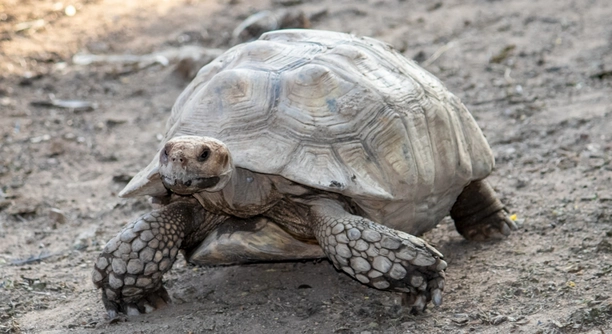
Tortoises are fascinating pets, but like any animal, they face health challenges. One common issue tortoises experience is shell rot, a painful condition that can affect their overall well-being.
Shell rot in tortoises is typically caused by bacteria or fungi that thrive in damp or unsanitary environments. Poor diet, humidity imbalances, and inadequate care can lead to weakened shells, making tortoises more vulnerable to infection.
Addressing shell rot requires understanding its causes and how to prevent it. In the following sections, we will explore the main reasons why this condition develops and how to keep your tortoise healthy.
1. Poor Living Conditions
One of the main reasons tortoises develop shell rot is poor living conditions. If their habitat is too humid, too dry, or not properly cleaned, it can create an environment that promotes bacteria and fungi growth. Dirty cages, unclean water, or improper lighting can lead to infections. These bacteria can cause the shell to become soft and weak, making it easier for infections to set in. It’s essential to maintain a clean and comfortable habitat for your tortoise to avoid health problems like shell rot.
Keeping their environment clean and regulated can significantly reduce the risk of shell rot. Regular cleaning, changing their bedding, and ensuring they have proper lighting and temperature will help.
Tortoises require specific care, and when these conditions are not met, the likelihood of developing shell rot increases. Humidity levels should be carefully controlled, and water should be changed frequently to ensure that it is clean. Proper sanitation in their living space can make a significant difference in the health of your tortoise.
2. Poor Diet
A poor diet can weaken your tortoise’s immune system and make it more susceptible to infections, including shell rot. Without the right balance of vitamins and nutrients, their shell becomes vulnerable to damage and infections.
Tortoises need a high-fiber diet rich in leafy greens, and sometimes fruits, while avoiding processed or high-protein foods.
A proper diet supports the health of their shell and overall well-being. Offering a variety of vegetables, herbs, and flowers will provide essential nutrients that help maintain a strong and healthy shell. If your tortoise isn’t getting the right nutrition, they could become more prone to health issues like shell rot.
3. Injuries or Trauma
Injuries to a tortoise’s shell can leave it vulnerable to infections like shell rot. A scratch or crack in the shell can be an entry point for harmful bacteria. Even minor trauma can lead to bigger problems if not properly treated.
If your tortoise has any visible damage, it’s important to address it immediately. Clean the wound gently with antiseptic and monitor it for signs of infection. In severe cases, a veterinarian may need to step in for proper care.
A shell injury, left untreated, can quickly escalate into a more serious infection. Be mindful of your tortoise’s surroundings, avoiding anything that could harm them. If you notice any abnormal behavior or swelling, consult a vet for guidance. Keeping the shell in good condition is essential for overall health.
4. Improper Temperature and Humidity
Tortoises need a specific balance of temperature and humidity to stay healthy. Too much moisture or too little can cause stress, leading to a weakened immune system. This imbalance makes them more susceptible to conditions like shell rot.
Maintaining the right temperature range is crucial for your tortoise. A basking area should be kept around 90°F, while the cooler side of the enclosure should stay between 70°F and 75°F. Proper humidity is also important, as it helps maintain their hydration and skin condition.
A lack of proper heat and humidity can lead to dry or soft shells, leaving your tortoise vulnerable. Overheating or extreme cold can stress them out, making it harder for their body to fight off infections. Make sure your tortoise’s enclosure is equipped with a thermostat and humidity gauge to monitor the environment consistently.
5. Overcrowding
Overcrowding can lead to stress and poor health in tortoises, increasing their likelihood of developing shell rot. When too many tortoises are kept together, it becomes difficult to maintain proper hygiene. This stress can weaken their immune system and make them more prone to infections.
Each tortoise needs enough space to move around and find its food and water. When their living space is too small, bacteria can spread quickly, especially when they’re unable to escape wet or dirty areas. Overcrowding can also cause competition for resources, which heightens the risk of injury and illness.
Provide each tortoise with a separate enclosure or ample space to prevent overcrowding. Keep their living area clean and ensure they have enough room to stay healthy. Giving your tortoise enough space is crucial to keeping them safe from shell rot and other issues.
6. Poor Hygiene
Poor hygiene is another common cause of shell rot. If a tortoise’s living area isn’t regularly cleaned, waste can accumulate, creating an environment where bacteria thrive. This can quickly lead to infections, especially if the tortoise comes in contact with dirty bedding or water.
Regularly clean the enclosure, change bedding, and wash any food or water containers to prevent bacteria buildup. Keeping the environment sanitary is key to preventing the spread of harmful germs. Additionally, make sure your tortoise is not sitting in wet or soiled areas, as this can worsen the risk of shell rot.
7. Age and Genetic Factors
Some tortoises may be more susceptible to shell rot due to their age or genetics. Older tortoises may have weakened immune systems, making it harder for them to fight off infections. Similarly, certain species may be more prone to developing shell issues.
If your tortoise is older or belongs to a species prone to shell rot, take extra care to monitor its health closely. Regular vet checkups, a balanced diet, and optimal living conditions can help reduce the risk of shell rot. Pay attention to any changes in their shell or behavior, as these could be early signs of trouble.
FAQ
What are the early signs of shell rot in tortoises?
The early signs of shell rot include discoloration, soft spots, or pitting on the shell. You might also notice an unpleasant odor coming from the shell or a swollen area. If the infection worsens, the shell may become flaky or show signs of leakage. Watch for any changes in behavior, like your tortoise becoming lethargic or avoiding movement. If any of these symptoms appear, it’s essential to act quickly and consult a vet. Early treatment can help prevent the condition from progressing.
How can I prevent shell rot in my tortoise?
To prevent shell rot, maintain a clean and dry habitat for your tortoise. Ensure the temperature and humidity levels are optimal for your specific tortoise species. Provide a balanced diet with plenty of greens, and avoid high-protein or processed foods. Regularly clean the enclosure, removing waste and dirty bedding. Make sure your tortoise has enough space and avoid overcrowding, as this can contribute to stress and unsanitary conditions. Keep an eye on their shell for any signs of injury or infection, and address any issues promptly.
Can shell rot be treated at home?
In the early stages of shell rot, mild cases can sometimes be treated at home with proper cleaning and antiseptic care. Gently clean the affected area with a diluted iodine solution or a turtle-safe antiseptic, and keep the tortoise dry. However, in more severe cases, it’s important to consult a veterinarian for professional treatment. A vet may need to debride the infected area or provide antibiotics to help the tortoise recover. It’s essential to monitor your tortoise closely during recovery and follow your vet’s instructions carefully.
What should I do if my tortoise has a shell injury?
If your tortoise sustains a shell injury, it’s important to act quickly to prevent infection. Clean the wound with a mild antiseptic, being careful not to harm the surrounding shell. If the injury is deep or there is visible damage to the shell’s structure, contact a vet immediately. They may need to repair the shell or administer antibiotics to prevent infection. Make sure your tortoise’s enclosure is kept clean and dry during the healing process to avoid further complications.
How do I know if my tortoise’s shell is too dry or too soft?
A dry shell may appear cracked, rough, or brittle to the touch. It can become flaky or show signs of peeling. On the other hand, a soft shell indicates that the tortoise’s shell is not as solid as it should be, often due to improper humidity or a nutrient imbalance. A soft shell may also feel squishy or give when pressed gently. To maintain a healthy shell, keep your tortoise’s living environment at the proper humidity and temperature. A balanced diet rich in calcium and fiber is also important for shell health.
Can my tortoise get shell rot from water?
Yes, standing or dirty water in the tortoise’s enclosure can contribute to the development of shell rot. Water that isn’t changed regularly can become a breeding ground for harmful bacteria and fungi. If your tortoise comes into contact with dirty water, it can lead to infections. To prevent this, ensure that your tortoise’s water is kept clean and changed frequently. If your tortoise likes to soak, make sure to provide fresh water for these baths and remove any waste promptly.
Is shell rot contagious?
Shell rot itself is not contagious in the traditional sense, but the bacteria or fungi that cause the infection can spread if not properly managed. For example, if you have multiple tortoises and one has shell rot, improper cleaning or overcrowding could lead to other tortoises becoming exposed to the same harmful bacteria. It’s important to isolate any tortoises showing signs of infection and clean their enclosure thoroughly to prevent further spread. Practicing good hygiene with your tortoises is essential to keeping them healthy.
How long does it take for a tortoise to recover from shell rot?
The recovery time for shell rot depends on the severity of the infection and the treatment provided. Mild cases may improve within a few weeks, while more severe cases may take several months of treatment and care. Your vet may recommend a combination of wound care, antibiotics, and environmental changes to speed up recovery. Be patient and keep a close eye on your tortoise’s condition, providing them with proper care and a stress-free environment to aid their healing process. Follow up with your vet to ensure the infection is fully treated.
Can I use human medication to treat shell rot in tortoises?
No, it’s not safe to use human medications to treat shell rot in tortoises. Many medications that are safe for humans can be harmful to reptiles. Always consult a veterinarian for advice on the appropriate treatment for shell rot. Your vet will recommend safe, tortoise-specific medications or treatments to address the infection and help your tortoise recover. Using the wrong treatment can cause more harm than good, so it’s important to avoid self-medication.
Are certain types of tortoises more prone to shell rot?
Yes, some species of tortoises are more prone to shell rot than others. Species with softer shells or those kept in environments that do not meet their specific care requirements are more likely to develop shell rot. For example, tortoises that live in very humid or excessively damp conditions may be at a higher risk. Always research the specific needs of your tortoise species, including temperature, humidity, diet, and space, to prevent conditions that could lead to shell rot. Keeping your tortoise in a suitable habitat will reduce the risk of health issues like shell rot.
Final Thoughts
Shell rot is a serious condition that can affect tortoises if not managed properly. It is important to understand the causes and take steps to prevent it. Ensuring that your tortoise has a clean and well-maintained environment is one of the best ways to keep them healthy. Proper temperature, humidity, and regular cleaning can make a significant difference in preventing shell rot. Additionally, keeping an eye on your tortoise’s shell for any signs of injury or infection can help address issues before they become more serious.
Diet also plays a key role in your tortoise’s overall health. A balanced diet that includes leafy greens and other essential nutrients will help support their immune system and shell. Overcrowding in their enclosure, poor hygiene, or lack of space can all contribute to stress and increase the risk of shell rot. Ensuring that your tortoise has enough space to move freely and that their living conditions are optimal is crucial for their well-being. By providing proper care and attention, you can reduce the chances of shell rot and help your tortoise live a long, healthy life.
If shell rot does occur, early detection and treatment are important. While mild cases can sometimes be managed at home, more severe infections will require professional veterinary care. If you notice any signs of shell rot, such as discoloration, softness, or swelling, don’t hesitate to seek medical attention. With the right care, most tortoises can recover from shell rot, but prevention is always the best approach. By keeping their environment clean, maintaining a proper diet, and ensuring they are not exposed to stress, you can help your tortoise avoid this painful condition.

Hello,
If you enjoy the content that we create, please consider saying a "Thank You!" by leaving a tip.
Every little bit helps us continue crafting quality advice that supports the health, happiness, and well-being of pets around the world, for pets of all shapes, sizes, and species.
We really appreciate the kindness and support that you show us!