
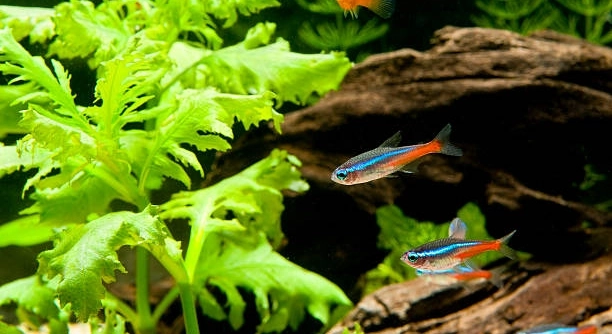
Tetras are popular aquarium fish known for their vibrant colors and active behavior. Many owners notice that tetras often stay near the water’s surface. This common behavior can be confusing for those new to keeping these fish.
The primary reasons tetras stay at the surface include low oxygen levels in the tank, water quality issues, stress, temperature changes, or illness. Each factor affects their comfort and health, prompting them to seek the surface where conditions might be better.
Understanding why your tetra prefers the surface can help improve their environment and wellbeing. The following points explain these reasons clearly and simply.
Low Oxygen Levels in the Tank
When tetras stay near the surface, one common reason is low oxygen in the water. Oxygen naturally enters the tank through surface agitation, but if the water is still or overcrowded, oxygen levels can drop. Tetras may swim near the surface where oxygen is more available because it diffuses from the air. Poor water circulation or a lack of plants can also reduce oxygen levels. Regularly cleaning the tank and ensuring a good filter system helps maintain healthy oxygen. Adding an air stone or increasing water movement can make a big difference. If oxygen levels remain low, tetras may become lethargic or show signs of distress, which can affect their health over time. Monitoring water conditions is important to keep oxygen levels stable.
Low oxygen forces tetras to surface often. This behavior signals the need to improve tank aeration and cleanliness.
Proper tank maintenance keeps oxygen balanced and your tetras comfortable. Simple adjustments can prevent stress caused by oxygen shortages.
Water Quality Issues
Poor water quality is another reason tetras stay at the surface. High levels of ammonia, nitrites, or nitrates create an unhealthy environment for fish. These toxins build up quickly if the tank is not cleaned regularly or if the filter isn’t working well. Water that is too acidic or alkaline also stresses tetras. They may seek the surface to avoid harmful water deeper down. Regular water testing helps detect problems early. Partial water changes and cleaning gravel reduce toxins and keep conditions stable. Avoid overfeeding, which contributes to waste buildup. Clear, clean water encourages natural behavior and swimming throughout the tank, rather than just near the surface. Good water quality is essential for your tetra’s health and energy.
Keeping water clean prevents toxin buildup and promotes healthy fish behavior.
Consistent care with water tests and changes ensures a safe environment. Your tetras will stay active and less likely to gather at the surface.
Stress and Tank Environment
Stress causes tetras to stay near the surface as a way to cope with discomfort. Stress can come from sudden changes in water temperature, aggressive tank mates, or a noisy environment. A calm, stable tank helps reduce this behavior.
Stress triggers a fish’s natural survival instincts. If tetras feel threatened or uneasy, they may retreat to the surface where they feel safer. Overcrowding or frequent disturbances can increase stress levels, making fish more likely to show unusual behaviors. Ensuring the tank size matches the number of fish and limiting sudden changes helps keep stress low.
Adjusting tank conditions to minimize stress is essential. Providing hiding spots and peaceful tank mates encourages tetras to explore other areas. A quiet environment with stable water parameters promotes healthier, calmer fish.
Temperature Fluctuations
Tetras are sensitive to temperature changes and may stay near the surface when the water is too warm or cool. Rapid fluctuations cause discomfort and can affect their metabolism and breathing.
Maintaining a consistent temperature between 72°F and 78°F is ideal for most tetra species. Temperature swings often happen due to room temperature changes, faulty heaters, or poor tank placement. When the water is too warm, oxygen levels drop, causing tetras to seek the surface. If the water is too cold, their activity slows, and they might hover near the top to find slightly warmer water. Using a reliable heater and thermometer helps monitor and keep the temperature steady, preventing these issues.
Keeping the tank at a stable temperature supports your tetras’ health and natural behavior. Small adjustments prevent stress and keep oxygen levels balanced.
Illness and Health Issues
Illness can cause tetras to stay near the surface. Sick fish often seek easier access to oxygen when they feel weak or have trouble breathing.
Common diseases like ich or fin rot affect their behavior and energy. Early treatment improves recovery chances and keeps the tank healthy.
Overfeeding
Overfeeding leads to poor water quality, which stresses tetras and makes them stay near the surface. Uneaten food decays and releases harmful toxins.
Feeding small amounts once or twice daily and removing leftovers prevents waste buildup. Balanced feeding supports both water health and your fish’s well-being.
Inadequate Tank Size
A tank too small for your tetras limits their swimming space. This can make them feel confined and encourage surface behavior as they look for more room.
Providing a properly sized tank with enough space reduces stress and promotes natural movement. It also improves overall fish health and happiness.
Lack of Plants or Hiding Spots
Tetras feel safer with places to hide. Without plants or decorations, they may stay near the surface where they feel less vulnerable.
Adding live plants or decorations gives shelter and reduces stress. It creates a more comfortable, natural environment for your fish.
FAQ
Why do my tetras stay at the surface even though the water looks clean?
Sometimes, water can look clean but still have low oxygen or harmful chemicals. Even small amounts of ammonia or nitrites can stress tetras, making them swim near the surface to breathe better. Testing the water regularly is important because clear water doesn’t always mean healthy water. Using an aquarium test kit helps spot problems early and keeps the environment safe for your fish.
How can I improve oxygen levels in my tetra tank?
Improving oxygen is simple. Increase surface agitation by adjusting the filter output or adding an air stone. Plants also help produce oxygen during the day. Make sure the tank isn’t overcrowded, as too many fish use up oxygen faster. Regular water changes keep the environment fresh. If you notice your tetras still gasping at the surface, double-check the equipment and room conditions to ensure good air circulation.
Can temperature affect why tetras stay near the surface?
Yes, temperature is key. Tetras prefer stable temperatures between 72°F and 78°F. When water gets too warm, oxygen levels drop, forcing fish to surface. Cold water slows their metabolism, making them less active. Using a reliable heater and thermometer prevents fluctuations. Avoid placing the tank near windows or heating vents where temperature changes frequently. Consistency helps tetras feel comfortable and reduces surface behavior.
What signs show my tetras are stressed or sick?
Look for unusual swimming patterns, faded colors, clamped fins, or loss of appetite. If your tetras stay at the surface often, it could mean stress or illness. Stress causes immune weakness, making them vulnerable to infections. Check water quality and tank conditions right away. Early action like water changes or treatment can prevent serious problems and help your fish recover faster.
How often should I clean the tank to keep tetras healthy?
Cleaning depends on tank size and fish count but aim for partial water changes of 20-25% every week or two. Removing waste and uneaten food prevents toxin buildup. Clean the filter regularly but avoid washing filter media with tap water to preserve beneficial bacteria. Keeping the tank clean supports good water quality, which helps tetras stay active and avoid surface gasping.
Is overfeeding a common cause of surface swimming?
Yes, overfeeding increases waste, lowering water quality and oxygen. Leftover food decomposes and releases harmful substances. Feed small amounts once or twice daily, giving only what fish can eat within a few minutes. Remove any uneaten food promptly. Balanced feeding keeps the tank cleaner and your tetras healthier, reducing their need to stay near the surface.
Do tank decorations or plants affect where tetras swim?
Definitely. Tetras like hiding spots to feel secure. Without plants or decorations, they may stay near the surface where they feel exposed. Adding live or artificial plants and safe decorations offers shelter and reduces stress. A well-decorated tank mimics their natural habitat and encourages normal swimming behavior throughout the tank.
Can aggressive tank mates cause tetras to stay at the surface?
Yes, aggressive fish can stress tetras, pushing them to the surface to escape. If you notice bullying or chasing, consider changing the tank mates or adding more hiding spots. Peaceful companions create a calm environment that helps tetras swim freely and reduces surface dwelling.
What role does tank size play in tetra behavior?
A small tank limits swimming space and can cause stress. Tetras need room to swim actively and feel safe. Providing a tank at least 20 gallons for a small group helps prevent overcrowding. A larger tank supports better water quality and natural behavior, reducing the chances of tetras lingering at the surface.
When should I consult a vet or fish expert?
If your tetras show signs of illness like white spots, torn fins, or constant surface gasping despite good water quality, seek expert advice. Persistent symptoms may need professional diagnosis and treatment. Early intervention improves your fish’s chances of recovery and keeps the tank environment healthy for all inhabitants.
Final Thoughts
Tetras staying near the surface is a common behavior that often signals something about their environment or health. It is usually related to factors like low oxygen, poor water quality, stress, temperature changes, or illness. Understanding these reasons helps to identify what might be causing your fish to act this way. Paying attention to how your tetras behave is important because they rely on their environment to feel safe and healthy. When they spend too much time at the surface, it is a sign that something needs to be adjusted or improved in their tank.
Maintaining a clean, well-aerated, and stable tank environment is key to keeping tetras comfortable. Regular water testing and partial water changes help prevent buildup of harmful substances that can affect fish health. Proper tank size and good filtration improve oxygen levels, which are crucial for tetras to thrive. Providing hiding spots and choosing peaceful tank mates also reduces stress, encouraging more natural swimming throughout the tank. Small but consistent efforts in tank care go a long way in creating a healthy home for your fish.
If your tetras continue to stay at the surface despite good tank conditions, it may be time to look for signs of illness or seek advice from a professional. Early detection and treatment of health problems increase the chance of recovery and reduce risks to other fish. Taking care of tetras requires attention to detail and patience, but the reward is a lively, colorful aquarium where your fish behave naturally. Keeping these points in mind will help you provide a better environment and improve your fish’s well-being over time.

Hello,
If you enjoy the content that we create, please consider saying a "Thank You!" by leaving a tip.
Every little bit helps us continue crafting quality advice that supports the health, happiness, and well-being of pets around the world, for pets of all shapes, sizes, and species.
We really appreciate the kindness and support that you show us!