
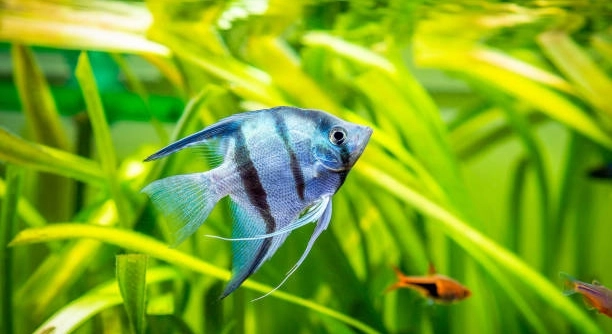
Angelfish fry are delicate creatures, and keeping them alive can sometimes feel like a challenge. Whether you’re new to fishkeeping or have some experience, it’s important to understand the common reasons they don’t survive.
The survival of angelfish fry often depends on water quality, temperature, and feeding practices. Poor water conditions, lack of proper nutrition, or even overcrowding in the tank can contribute to their early death.
There are several factors that play a role in angelfish fry survival. From water quality to feeding habits, understanding these key elements can help improve the chances of raising healthy fry.
Poor Water Quality
One of the biggest challenges in raising angelfish fry is maintaining good water quality. Fry are particularly sensitive to their environment, and dirty or improperly maintained water can easily lead to health issues. Ammonia and nitrite levels should be monitored carefully, as these toxins can be deadly for delicate fry. Regular water changes are essential to keep the tank clean and ensure the survival of the fry.
Water changes should be done frequently, but not too aggressively, as a sudden change in water chemistry can stress the fry. It’s also important to use a gentle filter that won’t suck in the tiny fry. Keeping the tank clean helps avoid the build-up of harmful bacteria or fungi that can infect weak fry.
In addition to cleanliness, maintaining the right water temperature is crucial. Fry can become stressed if the water is too cold or too hot. A stable temperature within the recommended range for angelfish ensures that the fry can grow and develop without complications. Keeping the water temperature stable is also key to maintaining healthy bacteria colonies in the tank. This creates a balanced and supportive environment for the fry to thrive in.
Improper Feeding
Feeding angelfish fry can seem simple, but it’s actually quite tricky. Overfeeding or underfeeding can both lead to problems. Fry need tiny, frequent meals. The right food, like infusoria or specialized fry food, is important to ensure they get the nutrients they need to grow.
To avoid overfeeding, only offer small amounts of food that the fry can consume in a short time. Leftover food will decay in the water, negatively impacting water quality and the fry’s health. Consistency is key.
Fry need high-quality nutrition to support their rapid growth. Small live foods like brine shrimp or finely crushed flakes can provide the essential proteins they need. Fry can’t eat the same foods as adult angelfish, so it’s important to offer them foods that are properly sized and rich in nutrients. Monitoring how much food is consumed will help keep the tank clean and the fry healthy.
Overcrowding in the Tank
Overcrowding is another common issue when raising angelfish fry. A small tank can quickly become too crowded, leading to stress, competition for food, and the spread of disease. Fry need space to grow, and overcrowding can stunt their development or even cause death.
As the fry grow, they should be moved to a larger tank to prevent overcrowding. This gives them more room to swim and find food. Additionally, overcrowding increases the likelihood of waste buildup in the tank, which harms water quality. Regular monitoring of the fry population is necessary to keep the tank balanced.
It’s important to keep an eye on how many fry are in the tank at any given time. Overcrowding can also make it harder to spot sick or weak fry, which can then infect others. If the fry are packed too tightly, they’ll also be more susceptible to stress, which weakens their immune system and makes them more vulnerable to illness.
Temperature Fluctuations
Temperature fluctuations can be harmful to angelfish fry, as they are sensitive to even small changes. Rapid temperature shifts can stress the fry, weaken their immune system, and lead to illness or death. Maintaining a steady temperature is essential for their survival.
Use a reliable aquarium heater to keep the water within the recommended range for angelfish. It’s important to check the heater regularly and adjust it as needed. Even small temperature changes can cause problems for fragile fry, making it vital to maintain stability in their environment.
In addition to keeping the water warm enough, avoid placing the tank in areas where temperature fluctuations are common, like near windows or air conditioning units. These temperature changes can cause a sudden shock to the fry, making them vulnerable to diseases or poor development. Consistent, stable temperatures are key to a healthy tank environment for angelfish fry.
Lack of Oxygen
Fry need plenty of oxygen to survive and grow. Without enough oxygen, they become weak and may struggle to swim. This can eventually lead to death if not addressed. It’s important to ensure good water circulation and surface agitation to allow oxygen to enter the tank.
A gentle air pump or filter can help maintain oxygen levels in the tank. Over time, oxygen can be depleted, especially in overcrowded tanks, so it’s essential to check and adjust your filtration system regularly. Fry are sensitive to oxygen levels, and low oxygen can result in poor health or stunted growth.
Maintaining proper oxygen levels helps avoid conditions like “gasping,” where fry may swim near the surface, trying to catch air. This is a clear sign of inadequate oxygen, and without a proper solution, it can harm their health in the long run.
Poor Genetics
Genetic issues can play a significant role in angelfish fry survival. Some fry may inherit weak immune systems, poor growth patterns, or deformities that make them more likely to die early. Genetics determine the overall health and resilience of the fry.
To ensure healthier fry, always breed fish that are strong and healthy. Selective breeding can help reduce the likelihood of passing on genetic issues. Keeping an eye on the fry’s development and eliminating weaker individuals may also help improve the overall health of the group.
Inadequate Tank Conditions
Angelfish fry require specific conditions to thrive, and inadequate tank conditions can easily lead to their decline. Things like poor water filtration, incorrect pH, and unsuitable substrate can all have a negative impact on their survival. Keeping the environment stable is essential for their growth.
To create a healthy environment, ensure that the tank is properly equipped with filtration to maintain clean water and regulate temperature. Testing the water regularly for pH and hardness levels will also help prevent problems. Fry are especially sensitive to changes, so consistency is crucial to their development.
FAQ
How often should I change the water for my angelfish fry?
Water changes are vital for keeping the tank clean and preventing harmful toxins from building up. For angelfish fry, it’s recommended to change 25-30% of the water every 2-3 days. This helps maintain good water quality while reducing stress and illness. Always use dechlorinated water to avoid harming the fry.
What is the best food for angelfish fry?
Angelfish fry need small, nutritious foods that are easy for them to consume. The best options are live foods like infusoria or newly hatched brine shrimp, as they offer the right nutrients for fast growth. As they grow, you can introduce finely crushed flakes or pellets to their diet.
Can I keep adult angelfish with fry in the same tank?
Adult angelfish should not be kept with fry unless the tank is large enough for both to thrive. Adult fish may see the fry as food, and there is a risk of them eating the young ones. If you want to keep them together, ensure that the fry have plenty of hiding spaces to protect them.
How do I know if my angelfish fry are healthy?
Healthy angelfish fry should be active, swimming smoothly, and feeding regularly. Their bodies should be clear of any discoloration or lesions. If you notice them staying at the surface, having trouble swimming, or showing signs of lethargy, it could indicate a health issue that needs attention.
How can I prevent fungal infections in my angelfish fry?
Fungal infections are a common issue for angelfish fry, especially in poor water conditions. To prevent them, keep the water clean, avoid overfeeding, and remove any uneaten food promptly. Adding aquarium salt in the right amounts can help prevent infections, but be cautious as too much salt can harm the fry.
What should the water temperature be for angelfish fry?
Angelfish fry require a stable water temperature between 78°F and 82°F (25°C to 28°C). Consistency is key, so make sure the temperature does not fluctuate too much. Use a reliable aquarium heater and a thermometer to monitor the temperature and ensure it stays within the ideal range.
How long does it take for angelfish fry to grow?
Angelfish fry grow quickly, especially in the first few weeks. By the time they are 1-2 months old, they should have grown large enough to be transferred to a larger tank if needed. At around 3 months, they start to resemble adult angelfish in size and shape. The growth rate depends on their diet and water quality.
Can I use tap water for angelfish fry?
Tap water can be used for angelfish fry, but it must be treated to remove chlorine, chloramines, and any heavy metals. Use a good water conditioner to neutralize these chemicals. Also, test the pH and hardness of the water before using it to ensure it’s suitable for angelfish fry.
Why are my angelfish fry dying?
There are many reasons why angelfish fry might die. Poor water quality, improper feeding, incorrect temperature, overcrowding, or genetic issues can all contribute to high mortality rates. It’s important to maintain good tank conditions, monitor water parameters, and provide proper nutrition to help ensure their survival.
Should I separate weak fry from the rest of the group?
Yes, it’s a good idea to separate weaker fry from the group. Weak or sick fry can easily get stressed and may not thrive in the same environment as stronger ones. By isolating them, you reduce the risk of them being picked on by healthier fry and give them a better chance to recover.
Final Thoughts
Raising angelfish fry can be a rewarding experience, but it also comes with its challenges. By understanding the common factors that impact their survival, such as water quality, feeding, and tank conditions, you can improve their chances of growing into healthy adult fish. A little attention to detail can go a long way in ensuring your fry thrive. Regular water changes, proper feeding schedules, and maintaining the right tank conditions are essential to their well-being.
It’s important to remember that even with the best care, some fry may not survive. Fishkeeping is not always predictable, and things can go wrong despite your best efforts. However, learning from each experience, adjusting your practices, and providing a stable environment will help you raise more fry successfully in the future. Monitoring their growth, behavior, and health will also allow you to spot any issues early and take action before it becomes a problem.
In the end, raising angelfish fry is a process that requires patience and commitment. If you put in the effort to provide them with the right care, you will likely see great results. Every fry that grows strong and healthy is a success, and each challenge you overcome brings valuable knowledge. By keeping things simple and focusing on the basics—clean water, proper food, and a stable environment—you can greatly improve the survival rate of your angelfish fry.

Hello,
If you enjoy the content that we create, please consider saying a "Thank You!" by leaving a tip.
Every little bit helps us continue crafting quality advice that supports the health, happiness, and well-being of pets around the world, for pets of all shapes, sizes, and species.
We really appreciate the kindness and support that you show us!