
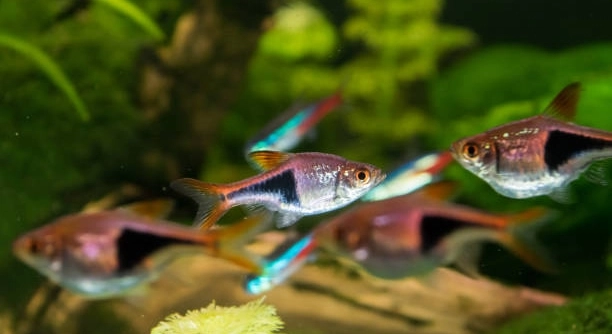
Feeding rasboras may seem simple, but many fishkeepers unknowingly make mistakes that affect their health and growth. Small errors in portion, timing, or food type can lead to long-term problems for these delicate fish.
The most common feeding mistakes include overfeeding, providing inappropriate food types, inconsistent feeding schedules, neglecting water quality during feeding, and failing to observe individual fish needs. Correcting these issues ensures optimal nutrition, growth, and overall well-being for your rasboras.
Learning about these common errors will help you provide a healthier environment and improve the vitality of your rasbora community.
Overfeeding Your Rasboras
Overfeeding is a common mistake that many rasbora keepers make, often out of good intentions. Providing too much food can quickly pollute the tank and lead to health issues like bloating or swim bladder problems. Rasboras are small fish with delicate digestive systems. They do best when fed small portions that they can consume in about two minutes, two to three times per day. Excess food that sinks to the bottom decomposes, increasing ammonia and nitrite levels, which harms both fish and beneficial bacteria. Observing your fish while feeding helps determine the right amount and prevents waste. Using a feeding ring or spoon can also help control portions.
Keeping portions controlled improves water quality and reduces health risks.
Rasboras thrive when their feeding is carefully monitored. Small, frequent meals mimic their natural feeding patterns. It’s important to remove leftover food promptly and avoid the temptation to overfeed. Tracking how much your fish consume and adjusting gradually ensures they remain healthy and active, preventing long-term complications.
Feeding Inappropriate Foods
Many fishkeepers assume that any flake or pellet is suitable for rasboras. This is not true. Rasboras need a balanced diet of protein and plant matter.
Feeding only one type of food can lead to deficiencies in essential nutrients, causing poor coloration, slow growth, and reduced immunity. While flakes or pellets are convenient, they should be supplemented with live or frozen options like daphnia, brine shrimp, or bloodworms. Vegetable matter such as blanched spinach or spirulina flakes also contributes to their health. Rotating food types helps stimulate appetite and encourages natural foraging behaviors. Avoid large or hard-to-digest foods that can cause choking or digestive issues. Paying attention to individual preferences ensures each fish receives adequate nutrition. Maintaining a consistent but varied feeding routine prevents dietary imbalances and supports overall vitality. Properly feeding rasboras requires understanding their natural diet and adjusting offerings to meet both protein and fiber needs consistently over time.
Inconsistent Feeding Schedule
Rasboras require a regular feeding routine to stay healthy. Irregular feeding can stress them, affecting growth, coloration, and overall activity.
Consistent feeding helps maintain metabolism and reduces aggressive competition for food. Feeding at the same times each day allows fish to anticipate meals and encourages natural behavior. Skipping meals or feeding at unpredictable times can result in overfeeding during the next session, further harming water quality. Maintaining a structured schedule ensures all fish receive proper nutrition and helps prevent health issues associated with stress or nutrient deficiencies.
Observing how your rasboras respond to scheduled feedings can guide adjustments. If some fish appear more hesitant, small, divided portions may help. Using timers or reminders makes it easier to stick to a reliable routine. This structure benefits both the fish and the tank environment by keeping water conditions stable.
Ignoring Tank Cleanliness During Feeding
Food left uneaten quickly degrades, impacting water quality and increasing harmful compounds.
Even small leftover portions can produce ammonia and nitrites, which stress rasboras and promote disease. Frequent water changes and prompt removal of uneaten food maintain a safe environment. Tools like siphons or nets can simplify the process. Regular monitoring of water parameters ensures conditions remain optimal for feeding and general health. Neglecting cleanliness compromises nutrition and can lead to long-term health issues.
Proper feeding requires attention to water quality alongside diet. Balancing feeding quantity with regular tank maintenance prevents spikes in toxins. Testing water parameters such as ammonia, nitrite, and nitrate levels helps detect issues early. Maintaining a clean tank reduces stress and keeps rasboras active, promoting growth and vibrant coloration. Integrating feeding routines with cleaning habits creates a stable, healthy environment. Small adjustments, like removing leftover food immediately after feeding, make a significant difference in fish well-being and prevent common feeding-related problems from escalating.
Feeding Too Quickly
Rasboras eat small portions at a steady pace. Feeding too quickly can cause choking or uneaten food to sink and decay.
Rushing meals increases stress and prevents weaker fish from accessing food. Slower feeding ensures all fish eat properly and reduces water contamination.
Using Only Dry Food
Relying solely on flakes or pellets limits nutrient variety. Live or frozen foods supplement protein and essential vitamins.
Incorporating daphnia, brine shrimp, or bloodworms enhances growth, immunity, and coloration. Rotating food types prevents deficiencies and keeps fish active and healthy.
Overlooking Individual Needs
Not all rasboras eat at the same pace or prefer the same food. Observing each fish ensures no one is underfed.
How often should I feed my rasboras?
Rasboras do best with small, frequent meals. Feeding them two to three times a day is sufficient. Each feeding should consist of an amount they can consume within about two minutes. Overfeeding in any session can harm water quality and increase the risk of digestive problems. Consistency in timing helps maintain their metabolism and reduces stress.
What types of food are suitable for rasboras?
A balanced diet is essential. Flakes and pellets work well as a staple, but they should be supplemented with live or frozen options like daphnia, brine shrimp, or bloodworms. Occasional vegetable matter, such as blanched spinach or spirulina flakes, provides fiber and vitamins. Rotating food types ensures they receive adequate nutrition and supports natural foraging behavior. Avoid foods that are too large or difficult to digest, as this can cause choking or bloating.
Can I overfeed my rasboras if they seem hungry?
Feeding based solely on hunger cues can be risky. Rasboras will often eat more than necessary, leading to water pollution and health issues. Monitor how much they actually consume in a short feeding period, remove leftovers promptly, and adjust portion size gradually. This prevents overfeeding while still keeping them well-nourished.
What should I do if some fish aren’t eating?
Observe individual behavior closely. Some fish may be shy or slower during feeding. Offering smaller, divided portions or hand-feeding can help ensure every fish gets food. Changing food type occasionally can stimulate appetite. Monitoring closely prevents malnutrition and ensures the overall group remains healthy.
Does water quality affect feeding?
Yes, poor water conditions can reduce appetite and stress fish. Uneaten food decays into ammonia and nitrites, which are toxic. Regular water testing, cleaning, and prompt removal of leftover food maintain an environment where rasboras eat well and digest food properly. Clean water also supports healthy growth and coloration.
Can I feed rasboras human food?
Human food is not recommended. Most human food lacks the proper balance of protein, fiber, and vitamins for rasboras. Foods like bread or vegetables without preparation can cause digestive issues. Stick to fish-specific flakes, pellets, live, or frozen options to meet their nutritional needs safely.
How do I know if my rasboras are getting enough nutrition?
Healthy rasboras are active, display vibrant coloration, and maintain steady growth. Uneaten food should be minimal, and fish should not appear bloated or thin. Regular observation, combined with a varied and balanced diet, ensures nutritional needs are met. Adjust feeding portions and food types if any signs of malnutrition or lethargy appear.
Is it okay to skip a day of feeding?
Skipping a day occasionally is generally safe and can help prevent overfeeding. Rasboras can survive short periods without food, and it may even aid digestion. However, this should not become a regular practice, as consistent nutrition is key to their long-term health.
How can I prevent food from fouling the tank?
Feed small amounts and remove any uneaten food within minutes. Using feeding tools like rings or spoons can control portions. Regular siphoning and water changes further minimize waste buildup. Combining proper portion control with attentive cleaning maintains a healthy tank environment.
Are there signs of overfeeding I should watch for?
Yes, bloating, lethargy, faded colors, and leftover food on the substrate are common indicators. Water quality deterioration, including cloudy water or increased algae, may also signal overfeeding. Adjust portions and feeding frequency immediately to prevent long-term health problems.
How important is variety in a rasbora’s diet?
Variety is essential to prevent nutrient deficiencies. Combining flakes, pellets, live, and vegetable-based foods ensures they receive a balanced mix of proteins, fats, and vitamins. Rotating foods keeps them engaged and encourages natural foraging behavior, promoting overall health and activity.
Can young rasboras eat the same food as adults?
Juvenile rasboras require smaller, more frequent meals and softer foods that are easy to digest. Crushed flakes or finely chopped live food work well. Adults can handle larger pellets and standard flakes. Adjust portion size and texture to suit the fish’s age and size to optimize growth and development.
What is the best way to transition rasboras to new food?
Introduce new food gradually over several days. Mix small amounts with their current diet to encourage acceptance. Monitor for any signs of digestive upset or refusal. Gradual changes reduce stress and ensure that the fish continue receiving proper nutrition.
Can feeding mistakes cause long-term health problems?
Yes, repeated overfeeding, poor diet, or inconsistent schedules can lead to obesity, swim bladder issues, slow growth, and reduced immunity. Maintaining proper feeding practices, monitoring behavior, and keeping the tank clean minimizes these risks and supports long-term vitality.
How do I ensure weaker fish aren’t outcompeted during feeding?
Provide multiple feeding spots or divide food into small portions spread across the tank. Observe feeding closely and, if necessary, hand-feed shy fish. Ensuring equal access to food prevents malnutrition and keeps the entire group healthy.
What role does observation play in feeding?
Regular observation allows you to detect health issues, feeding problems, and social dynamics within the group. Watching how much each fish eats and how they interact during feeding informs portion adjustments, diet variety, and tank management to maintain optimal conditions.
Feeding rasboras correctly is an essential part of keeping them healthy and active. Many issues in a home aquarium arise from simple mistakes that can easily be avoided. Overfeeding, irregular schedules, and providing inappropriate foods are among the most common problems. These mistakes not only affect the individual fish but also impact the overall environment of the tank. Uneaten food decomposes quickly, raising ammonia and nitrite levels, which can harm both fish and beneficial bacteria. Monitoring portions and feeding times is a straightforward way to prevent these problems. By observing your fish closely, you can identify how much they actually eat and adjust the quantity accordingly. Small, controlled meals given at consistent intervals allow rasboras to digest their food properly and maintain energy levels throughout the day.
Another important factor in proper feeding is variety. Rasboras require a balanced diet that combines dry foods such as flakes or pellets with live or frozen options. Including foods like brine shrimp, daphnia, or bloodworms provides the protein and nutrients they need for growth, immune system support, and vibrant coloration. Adding small amounts of plant-based foods, such as spirulina flakes or blanched vegetables, contributes fiber and essential vitamins. Rotating food types also encourages natural foraging behavior and keeps the fish engaged. Feeding only one type of food over time can lead to deficiencies, so maintaining a balanced and varied diet is crucial. It may take some attention to notice individual preferences or slower eaters, but adjusting feeding practices to accommodate all fish ensures each one receives proper nutrition.
Maintaining a clean tank during feeding is just as important as choosing the right foods. Even the best diet can become harmful if uneaten portions are left to decay. Regular water testing and routine cleaning help keep water parameters stable, reducing stress and promoting overall health. Observing each fish, providing appropriate portion sizes, and keeping the feeding routine consistent all contribute to a thriving tank environment. Proper feeding practices support growth, coloration, and general vitality, while also minimizing potential health problems. Taking the time to focus on both nutrition and environment ensures that your rasboras remain healthy, active, and visually appealing for years to come.

Hello,
If you enjoy the content that we create, please consider saying a "Thank You!" by leaving a tip.
Every little bit helps us continue crafting quality advice that supports the health, happiness, and well-being of pets around the world, for pets of all shapes, sizes, and species.
We really appreciate the kindness and support that you show us!