
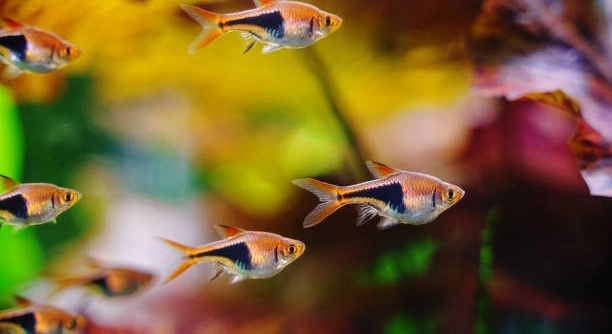
Rasboras are popular freshwater fish often kept in home aquariums. Like any pet, they can face health problems that worry their owners. Knowing about common diseases helps in keeping these small fish healthy and happy.
Seven common diseases affect rasboras, including Ich, fin rot, and bacterial infections. Proper diagnosis and treatment involve maintaining clean water, using medication when necessary, and providing a balanced diet to support recovery and prevent outbreaks.
Learning about these illnesses and their care will help you protect your rasboras and enjoy a thriving aquarium environment.
Ich (White Spot Disease)
Ich is one of the most common diseases seen in rasboras. It shows up as tiny white spots all over the fish’s body and fins. This parasite attaches itself to the fish’s skin, causing irritation and stress. Infected fish often scratch against objects in the tank. Poor water conditions usually make ich outbreaks worse. Raising the tank temperature slightly can speed up the parasite’s life cycle, making treatments more effective. Medications containing malachite green or formalin are commonly used to treat ich. It’s important to isolate infected fish to stop the disease from spreading. Cleaning the tank and changing the water regularly also help prevent future outbreaks. Keeping the water clean and stable is key to avoiding ich.
Ich spreads quickly in overcrowded tanks or when water quality drops suddenly.
When treating ich, raise the water temperature to about 28°C (82°F) and use an appropriate anti-parasitic medication. Repeat treatments as directed, and maintain good tank hygiene to ensure full recovery.
Fin Rot
Fin rot causes the fins of rasboras to look ragged or torn. It usually starts at the edges of the fins and can spread if left untreated. This disease often occurs when water conditions are poor or after an injury. Bacteria attack the damaged tissue, making the fins decay. Symptoms include faded color around the fins and slow swimming. Early treatment with antibacterial medicines can save the fish. Keeping the tank clean and doing regular water changes reduce the risk. Avoid overcrowding the tank to lower stress on the fish. Improving water quality is the best way to prevent fin rot from returning.
Bacterial Infections
Bacterial infections can appear as ulcers, redness, or swollen areas on the rasbora’s body. They often develop after injuries or if the fish’s immune system is weakened. Poor water quality and stress are common triggers. Treating bacterial infections usually involves using antibiotics in the water. It’s important to identify the infection early for the best results. In some cases, isolated treatment tanks are used to protect healthy fish. Supporting your rasbora with clean water, proper nutrition, and minimal stress is crucial. Avoid sudden changes in temperature or water parameters. A healthy environment helps the fish fight off infections naturally.
Consistent tank maintenance and good feeding practices keep bacterial infections at bay.
Swim Bladder Disorder
Swim bladder disorder causes rasboras to have trouble swimming properly. Affected fish may float to the top, sink to the bottom, or swim sideways. This issue can result from poor diet, infections, or water quality problems.
Feeding your rasboras a balanced diet with occasional fasting can help prevent swim bladder problems. Overfeeding or giving too many dry foods can cause constipation, which affects the swim bladder. If constipation is the cause, offering peas (with skins removed) can help clear the digestive system. Maintaining clean water and stable tank conditions reduces stress that may contribute to this disorder. In some cases, infections may require treatment with antibiotics. Careful observation is key to spotting early signs and helping your fish recover.
During recovery, avoid sudden movements near the tank to reduce stress. Adjust feeding habits and water quality to support healing and prevent recurrence.
Velvet Disease
Velvet disease appears as a fine, yellowish or rusty dust on the rasbora’s body and fins. It is caused by a parasite that irritates the skin and gills, making the fish weak and lethargic.
Treatment involves raising the water temperature slightly and using medications with copper or formalin. Keeping the tank dark during treatment helps the medicine work better, as the parasite is sensitive to light. Regular water changes and maintaining a clean tank are important for recovery. Isolating infected fish can prevent the parasite from spreading to others. Reducing stress through proper tank conditions also supports the fish’s immune system. Early detection is important to avoid severe damage to the fish’s gills and overall health.
Dropsy
Dropsy causes rasboras to swell up with fluid, making their bodies look bloated and scales stick out like a pinecone. It’s often a sign of internal organ failure or severe infection.
This condition is usually fatal if not treated early. Quarantine affected fish and use antibacterial medications. Keeping water clean helps prevent dropsy.
Fungus Infection
Fungus infections appear as white, cotton-like patches on the skin, fins, or gills. They often develop after injuries or in poor water conditions. Treat fungal infections with antifungal medications and improve tank hygiene. Removing infected fish to a quarantine tank speeds up recovery and protects others.
Parasitic Infestations
Parasites like flukes or lice attach to rasboras, causing irritation, redness, and excessive scratching. Treatment includes medicated baths or adding anti-parasitic medication to the tank water.
Regular tank cleaning and avoiding new, untreated fish reduce risks of parasitic infestations.
FAQ
How can I prevent diseases in my rasboras?
Preventing diseases starts with maintaining clean water and stable conditions. Regular water changes, proper filtration, and avoiding overcrowding help keep your tank healthy. Feeding a balanced diet and avoiding sudden changes in temperature or water chemistry also reduce stress. Quarantining new fish before adding them to the main tank helps stop the introduction of illnesses.
What are the first signs that my rasbora might be sick?
Common signs include loss of appetite, unusual swimming behavior, faded colors, spots or lesions on the body, and clamped fins. Fish scratching against objects or gasping at the surface may also indicate problems. Early detection is important to treat the illness before it worsens.
How long does it take to treat common rasbora diseases?
Treatment duration varies by disease but generally lasts from a few days to two weeks. Parasite infections like ich or velvet often require multiple treatments and tank maintenance. Bacterial and fungal infections also need consistent care and medication until symptoms disappear.
Can diseases spread between different fish species in the same tank?
Yes, many diseases are not species-specific and can easily spread between different fish sharing the same environment. Parasites, bacteria, and fungi can transfer through water, so it’s important to isolate sick fish and keep the tank clean to minimize risks.
Is medication always necessary when my rasbora shows signs of illness?
Not always. Mild cases caused by stress or minor injuries may improve with better water quality and diet. However, most infections need proper medication to fully recover. Consult specific treatments based on symptoms, and avoid overusing medicines to prevent resistance.
Can I treat my rasbora diseases naturally without chemicals?
Some minor issues can improve with natural methods like fasting to relieve swim bladder problems or increasing temperature to fight parasites. But serious infections often require medication. Clean water and a balanced diet are the best natural supports for health but usually don’t replace treatment.
How important is quarantine for new fish?
Quarantine is very important to prevent disease introduction. New fish can carry parasites or bacteria without showing symptoms. Isolating them for 2–4 weeks allows observation and treatment if needed before mixing with established fish.
What role does water quality play in rasbora health?
Water quality is the foundation of fish health. Poor conditions stress fish, weaken their immune systems, and encourage disease growth. Parameters like temperature, pH, ammonia, nitrite, and nitrate must be monitored and kept within safe ranges to keep rasboras healthy.
Can diet affect disease resistance in rasboras?
Yes, a varied and balanced diet strengthens the immune system and helps fish resist infections. Feeding high-quality flakes, pellets, and occasional live or frozen foods ensures proper nutrition. Overfeeding or poor diet can cause digestive problems and reduce resistance to illness.
What should I do if my rasbora dies suddenly?
Remove the dead fish immediately to avoid contaminating the water. Test water quality to identify any issues. Observe remaining fish closely for symptoms. Consider if recent changes or new fish could have introduced stress or disease, and act accordingly with water changes or treatments.
Are some rasbora species more prone to diseases than others?
Some species may be more sensitive to water conditions or stress, making them more prone to illness. Research the specific needs of your rasbora species and provide suitable tank conditions to reduce risks. Proper care reduces the chance of disease regardless of species.
How often should I clean the tank to prevent diseases?
Regular maintenance is key. Partial water changes of 20–30% weekly or biweekly help keep the environment clean. Remove uneaten food and waste daily if possible. Avoid full tank cleanings too often as this can stress fish and disrupt beneficial bacteria.
Can stress cause diseases in rasboras?
Yes, stress lowers immunity and makes fish vulnerable to infections. Causes include poor water quality, overcrowding, aggressive tank mates, sudden changes, and improper diet. Minimizing stress through good care practices is essential to disease prevention.
Is it safe to mix rasboras with other fish?
Rasboras are generally peaceful and can live well with other non-aggressive fish. However, mixing species increases the chance of spreading diseases. Ensure all fish are healthy and compatible, and maintain excellent water quality to reduce risks.
What is the best way to monitor my rasbora’s health daily?
Watch for changes in behavior, appetite, and appearance every day. Look for spots, discoloration, or damaged fins. Observe how they swim and interact with others. Early notice of any unusual signs allows quicker response and treatment.
How do I know if my treatment is working?
Improvement signs include increased activity, return of appetite, fading or disappearance of spots or lesions, and healthier fins. If symptoms worsen or do not improve after the full treatment course, reassess the diagnosis or try alternative methods.
This FAQ provides clear answers to common concerns and supports ongoing care to keep rasboras healthy.
Taking care of rasboras means paying attention to their health and environment every day. These small fish can be sensitive to changes in water quality, diet, and tank conditions. Knowing the common diseases they face helps you act quickly if something goes wrong. Diseases like ich, fin rot, and velvet are often caused or worsened by poor water quality and stress. Keeping the tank clean and stable is the first and most important step to prevent illness. Regular water changes, proper filtration, and avoiding overcrowding will create a healthier space for your fish. A good diet also plays a key role. Feeding your rasboras a balanced diet with variety supports their immune system and overall well-being.
When a rasbora shows signs of sickness, early treatment is crucial. Many diseases respond well to medication if caught early. Ignoring symptoms or delaying care can cause serious harm and sometimes death. Always observe your fish closely for changes in behavior, appearance, or swimming patterns. Separating sick fish from healthy ones can stop disease from spreading. Using the right medicine and following instructions carefully improves the chances of recovery. Besides medication, improving water quality and reducing stress during treatment helps the fish heal faster. It may take days or even weeks for a full recovery, so patience is important.
Maintaining a healthy tank and watching your rasboras closely will keep your aquarium thriving. Prevention is easier and more effective than treatment. By understanding common diseases and their causes, you can avoid many problems before they start. Quarantining new fish, keeping the water clean, feeding properly, and reducing stress will make your rasboras stronger and less likely to get sick. Healthy fish are more active, colorful, and enjoyable to watch. Taking these steps ensures your rasboras live a longer, happier life in your care. Staying consistent with tank care and paying attention to your fish’s needs are the best ways to enjoy a beautiful and healthy aquarium.

Hello,
If you enjoy the content that we create, please consider saying a "Thank You!" by leaving a tip.
Every little bit helps us continue crafting quality advice that supports the health, happiness, and well-being of pets around the world, for pets of all shapes, sizes, and species.
We really appreciate the kindness and support that you show us!