
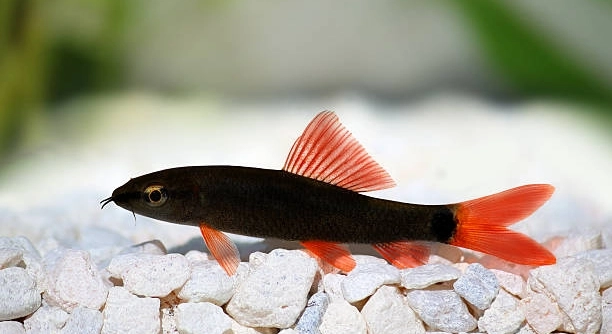
Rainbow sharks are popular aquarium fish known for their vibrant colors and active behavior. Many hobbyists enjoy keeping them, but these fish can face common health problems. Understanding these issues helps ensure their well-being and longevity.
Seven common diseases affect rainbow sharks, including ich, fin rot, dropsy, fungal infections, swim bladder disorder, velvet disease, and parasitic infestations. Early identification and appropriate treatment are essential to prevent worsening symptoms and promote recovery.
Knowing how to recognize and treat these diseases can improve your fish’s health and happiness in your tank. This guide covers key signs and effective care methods.
Ich (White Spot Disease)
Ich is a common disease in rainbow sharks caused by a parasite. It shows up as small white spots on the fish’s body and fins. Infected fish may scratch against objects in the tank, showing irritation. Ich spreads quickly in crowded or stressed tanks, especially when water quality is poor. Maintaining clean water and stable conditions helps prevent this disease. Treatment usually involves raising the water temperature slightly and using medicated baths or aquarium treatments specifically designed for ich. Early treatment is important to avoid severe health problems or death.
Ich can affect multiple fish in the tank, so quarantining new fish before introducing them helps reduce risks.
To treat ich, increase the water temperature to about 28–30°C (82–86°F) and add over-the-counter ich medication. Continue treatment for at least seven days after white spots disappear to ensure all parasites are eliminated.
Fin Rot
Fin rot causes fins to appear ragged or frayed. It often starts at the edges and gradually worsens. This bacterial infection happens due to poor water quality or injuries. If untreated, the infection can reach the body, threatening the fish’s survival. To prevent fin rot, keep the tank clean and avoid overcrowding. Good nutrition supports the fish’s immune system. Treatment involves improving water quality and using antibacterial medications. Early treatment helps the fins heal and regrow faster.
Monitoring fish regularly helps catch fin rot early before it worsens.
Dropsy
Dropsy is a serious condition marked by swelling and raised scales, caused by internal infections. It often results from poor water conditions or stress. Affected fish may become lethargic and lose appetite. This condition is difficult to treat and often fatal if caught late. Improving water quality and isolating the fish are the first steps. Antibiotic treatments may help if started early. However, prevention through proper tank maintenance and avoiding stress is the best approach to reduce the risk of dropsy.
Good tank hygiene and a balanced diet play important roles in preventing dropsy.
Fungal Infections
Fungal infections appear as cotton-like growths on the skin or fins. They usually develop after injuries or other infections weaken the fish’s defenses. Fungi thrive in poor water conditions, so keeping the tank clean is essential. Treatment involves antifungal medications and improving water quality. Removing affected fish to a quarantine tank speeds recovery and prevents spread. Regular water changes and avoiding overcrowding reduce the chances of fungal infections. Healthy fish resist infections better, so good nutrition is also important.
Identifying fungal infections early leads to more effective treatment and quicker healing.
Swim Bladder Disorder
Swim bladder disorder affects a fish’s ability to control buoyancy, causing it to float awkwardly or sink. This condition may result from constipation, infections, or physical injury. Maintaining a balanced diet and avoiding overfeeding helps reduce risk.
Constipation is a common cause, often due to a diet low in fiber. Feeding peas or specialized fish food can relieve this. Infection-related swim bladder issues require antibiotics. Maintaining clean water and proper nutrition supports recovery.
Physical injury to the swim bladder can be permanent, but gentle tank conditions and minimal stress improve chances for healing. Avoid sudden water changes and overcrowding to prevent stress that worsens the disorder.
Velvet Disease
Velvet disease is caused by a parasite and appears as a fine, dusty coating on the fish’s body and fins. It causes rapid breathing, lethargy, and scratching. The parasite thrives in poor water conditions and spreads quickly.
Treatment includes increasing water temperature slightly and using copper-based medications. Quarantining infected fish prevents spread. Consistent tank cleaning reduces chances of recurrence. Improving water quality and maintaining stable conditions support healing.
Early treatment leads to better recovery chances. Monitoring fish regularly for early signs like dullness or excessive scratching helps control outbreaks before serious damage occurs.
Parasitic Infestations
Parasitic infestations can cause discomfort, weight loss, and poor health in rainbow sharks. Parasites may include worms, protozoa, or external parasites like lice.
Regular tank maintenance and quarantining new fish help prevent infestations. Treatment often requires specific antiparasitic medications to fully remove the parasites.
Bacterial Infections
Bacterial infections in rainbow sharks can cause symptoms like redness, ulcers, swelling, and lethargy. These infections often result from injuries or poor water quality. Immediate action is needed to prevent spread and further harm. Treatment involves antibiotics and improving tank hygiene to support recovery.
Stress-Related Illnesses
Stress weakens the immune system, making rainbow sharks more vulnerable to disease. Causes include overcrowding, poor water quality, or aggressive tank mates. Managing tank conditions and maintaining a calm environment reduces stress and promotes overall fish health.
FAQ
What are the first signs of disease in a rainbow shark?
Early signs often include changes in behavior, such as reduced activity, loss of appetite, or hiding more than usual. Physical signs like white spots, ragged fins, swollen body parts, or unusual swimming patterns also indicate health problems. Regular observation helps catch these early.
How can I prevent common diseases in rainbow sharks?
Maintaining clean water, stable temperature, and proper tank size is key. Avoid overcrowding and stress by choosing compatible tank mates. Quarantine new fish before introducing them to the main tank. Feeding a balanced diet strengthens the immune system.
Can diseases spread between different fish species in a tank?
Yes, many diseases like ich, velvet, and bacterial infections can spread between species. It’s important to treat all affected fish and isolate new or sick fish to prevent outbreaks. Regular tank maintenance reduces the risk.
How often should I change the water to keep rainbow sharks healthy?
Changing 20-30% of the water weekly helps maintain good water quality. Frequent partial changes prevent toxin buildup and reduce stress. Avoid full water changes as they can shock the fish.
What are the best treatments for ich?
Raising water temperature slightly and adding medicated treatments designed for ich works well. Continue treatment for at least a week after spots disappear. Ensure good aeration as warmer water holds less oxygen.
Is it safe to use medication in a tank with live plants?
Some medications can harm plants. If treating with chemicals, consider moving plants temporarily or use plant-safe medications. Research the specific medicine before use.
Can diet affect a rainbow shark’s susceptibility to disease?
Yes, a varied diet rich in nutrients helps build resistance to illness. Avoid overfeeding and include high-quality pellets, frozen foods, and occasional vegetables like peas to promote digestive health.
How long does it take for rainbow sharks to recover from fin rot?
Recovery varies but usually takes a few weeks with proper treatment. Improving water quality and using antibacterial medication supports healing. Damaged fins may regrow over time if the infection does not reach the body.
Should I isolate sick rainbow sharks?
Yes, isolating sick fish prevents disease spread and reduces stress. A quarantine tank allows closer monitoring and easier treatment without risking healthy fish.
What causes swim bladder disorder in rainbow sharks?
Common causes include constipation, infections, or physical injury. Overfeeding and poor diet can lead to constipation. Treating constipation with high-fiber foods like peas often helps.
Can stress alone cause illness in rainbow sharks?
Stress weakens the immune system, making fish more vulnerable to infections. Causes include poor water quality, aggressive tank mates, or sudden environment changes. Reducing stress improves overall health.
Is it normal for rainbow sharks to scratch against objects?
Occasional scratching can be normal, but frequent rubbing may indicate parasites or irritation. Check water quality and look for signs of disease if scratching increases.
How can I improve water quality to prevent diseases?
Regular partial water changes, proper filtration, avoiding overfeeding, and not overcrowding help maintain water quality. Testing water parameters frequently ensures a healthy environment.
Can fungal infections be cured completely?
Yes, fungal infections respond well to antifungal treatments if caught early. Maintaining clean water and isolating infected fish helps prevent spread and speeds recovery.
Are there signs that indicate a disease is beyond treatment?
Severe swelling, loss of movement, extreme lethargy, or unresponsiveness may indicate advanced illness. At this stage, treatment success is unlikely, and humane euthanasia may be considered.
What is the best way to introduce new fish to a rainbow shark tank?
Quarantine new fish for at least two weeks to observe any diseases before introducing them. Slowly acclimate them to the tank water to reduce stress.
How does temperature affect rainbow shark health?
Rainbow sharks prefer stable temperatures between 24-28°C (75-82°F). Sudden changes can cause stress and increase disease risk. Keeping consistent temperature supports immune function.
Are there natural remedies for rainbow shark diseases?
Some hobbyists use salt baths or herbal treatments for mild issues, but effectiveness varies. For serious diseases, proven medications are safer and more reliable.
How often should I check my rainbow shark for signs of illness?
Daily observation is best. Watching behavior and appearance closely helps catch problems early before they become severe.
Can poor tank decorations cause health problems?
Sharp or rough decorations can injure fish, leading to infections like fin rot or fungal growth. Smooth, safe decorations reduce injury risk and stress.
Final Thoughts
Caring for rainbow sharks involves understanding their common health problems and how to manage them. These fish can face several diseases, but many of these issues are preventable with proper care. Maintaining good water quality, providing a balanced diet, and keeping a stable environment are essential steps in keeping rainbow sharks healthy. Regular observation helps identify problems early, making treatment more effective. Taking these basic precautions can reduce stress for the fish and lower the chances of illness.
Treating diseases quickly is important to prevent them from becoming severe. Many common illnesses, like ich, fin rot, and fungal infections, respond well to available treatments if caught early. Quarantining new or sick fish keeps diseases from spreading and protects the entire tank. Sometimes, even with the best care, health problems can arise due to stress or other factors. When this happens, patience and consistent care can help fish recover. Being prepared with knowledge about symptoms and treatments makes it easier to act promptly.
Overall, keeping rainbow sharks healthy requires attention and effort, but the rewards are worth it. Watching these colorful fish thrive adds enjoyment to the aquarium experience. Understanding their needs and common health challenges helps create a safe environment where they can live happily. With proper care, rainbow sharks can remain active and vibrant for many years. This makes the time and care invested a positive part of the aquarium hobby.

Hello,
If you enjoy the content that we create, please consider saying a "Thank You!" by leaving a tip.
Every little bit helps us continue crafting quality advice that supports the health, happiness, and well-being of pets around the world, for pets of all shapes, sizes, and species.
We really appreciate the kindness and support that you show us!