
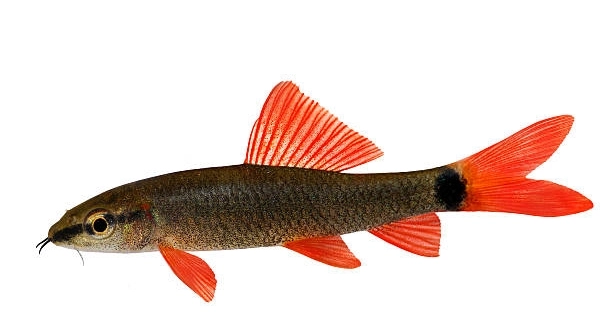
Rainbow sharks are popular aquarium fish known for their striking colors and active behavior. Many hobbyists enjoy keeping them but sometimes face health challenges. Knowing common diseases helps keep these fish healthy and thriving in home tanks.
Rainbow sharks often suffer from bacterial infections, parasites, fungal diseases, swim bladder disorders, and stress-related illnesses. Preventing these issues requires good water quality, proper diet, quarantine practices, and regular tank maintenance to reduce risks effectively.
Learning about these common diseases can improve your fish care routine. This article will help you protect your rainbow sharks and ensure they live longer, healthier lives.
Bacterial Infections in Rainbow Sharks
Bacterial infections are one of the most common health problems in rainbow sharks. These infections often happen when the fish’s environment is not clean or the water quality is poor. Signs of bacterial infection include red streaks on the body, ulcers, and swollen fins. It is important to check the tank regularly and maintain good water conditions. Overcrowding and stress can make these infections worse. When a bacterial infection occurs, it is usually treated with antibiotics added to the water or food. However, prevention is always better than treatment. Keeping the tank clean, performing regular water changes, and avoiding sudden temperature changes can help reduce the risk of bacterial problems. Feeding your rainbow shark a balanced diet will also support its immune system to fight off infections naturally.
Treating bacterial infections quickly is important to avoid spreading and worsening the condition. Quarantining sick fish can help protect others.
Regular monitoring of water parameters and tank hygiene will keep your rainbow shark healthier and less prone to bacterial diseases. These small steps make a big difference over time.
Parasites Affecting Rainbow Sharks
Parasites can cause severe discomfort and health decline in rainbow sharks. They attach to the fish’s body or gills and feed on their tissues or blood. External parasites, such as ich or flukes, often cause visible white spots or rapid breathing. Internal parasites may lead to weight loss and lethargy without obvious signs. Parasite infections usually occur in tanks where new fish are introduced without quarantine or in poorly maintained tanks. Treatment involves medications designed to kill parasites, but it is essential to follow dosage instructions carefully. Maintaining clean water and isolating new fish before adding them to the main tank prevents many parasite issues. Watching for behavioral changes or physical signs early can help catch infestations before they become severe.
Keeping a regular tank cleaning schedule and observing your fish daily will reduce parasite risks. Using quarantine tanks when introducing new fish is a practical and effective preventive measure.
Fungal Infections in Rainbow Sharks
Fungal infections appear as white, cotton-like patches on the skin or fins. They usually develop after an injury or when water quality is poor.
Fungi thrive in environments where the fish’s immune system is weakened. Damage to the skin from fights, sharp decorations, or rough handling can invite fungal spores. Poor water conditions, like high ammonia or nitrite levels, also increase the risk. Treatment involves antifungal medications added to the water and improving tank cleanliness. Regular water changes and avoiding overcrowding are key to prevention. It is important to remove infected fish from the main tank if possible to prevent spread.
Keeping the tank clean and maintaining good water quality creates a safer environment that helps your rainbow shark avoid fungal infections.
Swim Bladder Disease
Swim bladder disease affects the fish’s ability to control buoyancy, causing it to float unevenly or sink. It often results from poor diet or stress.
Feeding your rainbow shark a diet lacking in fiber or with too many frozen or dry foods can cause swim bladder issues. Overfeeding or sudden changes in diet also contribute. Stress from poor water quality, overcrowding, or aggressive tank mates may worsen the problem. Treatment includes fasting the fish for a couple of days and then feeding cooked, peeled peas to aid digestion. Maintaining a balanced diet and stable tank conditions helps prevent swim bladder problems. Proper feeding and regular water testing keep your fish swimming smoothly and comfortably.
Stress-Related Illnesses
Stress weakens rainbow sharks, making them more vulnerable to disease. Common causes include poor water quality, overcrowding, and aggressive tank mates.
Reducing stress involves maintaining stable water conditions, providing hiding spots, and avoiding sudden changes in the tank environment.
Nutritional Deficiencies
Rainbow sharks need a balanced diet with protein, vitamins, and minerals to stay healthy. Lack of nutrients can cause poor growth and weakened immunity.
Feeding varied foods like pellets, flakes, and occasional live or frozen treats ensures they receive essential nutrients for vibrant health.
Water Quality Issues
Poor water quality is a major cause of illness in rainbow sharks. High ammonia, nitrite, or nitrate levels can harm their health quickly.
Regular testing, water changes, and good filtration are critical to keeping the tank environment safe and supportive for your fish.
FAQ
What are the first signs of disease in rainbow sharks?
Early signs often include changes in behavior like hiding more, reduced appetite, or unusual swimming patterns. You might also notice physical signs such as faded color, spots, torn fins, or swelling. Catching these signs early helps prevent more serious problems and makes treatment easier.
How often should I clean my rainbow shark’s tank?
Cleaning should be done regularly to keep water quality high. A partial water change of about 20-30% every week is ideal. Cleaning the substrate and removing leftover food or waste during these changes helps prevent harmful bacteria and toxins from building up.
Can I treat diseases without medication?
In some cases, improving water quality and diet alone can help your fish recover, especially with mild stress or minor infections. However, many diseases like bacterial or fungal infections need specific medication to fully clear up. Always monitor closely and act fast if symptoms worsen.
How can I prevent my rainbow shark from getting parasites?
Quarantining new fish before adding them to the main tank is the best prevention method. Keeping the tank clean and maintaining stable water conditions also reduces parasite risks. Avoid overcrowding and observe your fish regularly for any unusual signs.
What should I feed my rainbow shark to keep it healthy?
A varied diet is important. Use high-quality pellets or flakes formulated for carnivorous fish. Supplement with occasional live or frozen foods like bloodworms or brine shrimp. Avoid overfeeding; feed small amounts twice daily to maintain good health.
Is it normal for rainbow sharks to hide a lot?
Rainbow sharks can be shy, especially if stressed or in a new tank. Providing hiding spots like plants or caves helps them feel secure. Excessive hiding may indicate illness or poor water conditions, so keep an eye on their behavior.
How do temperature changes affect rainbow sharks?
Sudden or extreme temperature shifts can stress rainbow sharks and weaken their immune system. Maintaining a stable temperature between 74°F and 80°F (23°C–27°C) is important for their health. Use a reliable heater and thermometer to keep the tank consistent.
Can rainbow sharks live with other fish?
They can, but choose tank mates carefully. Rainbow sharks may show territorial behavior or aggression toward smaller or slow-moving fish. Ideal companions are larger, fast swimmers that can handle similar water conditions without provoking stress.
When should I isolate a sick rainbow shark?
If your fish shows clear signs of disease—like open wounds, heavy breathing, or severe lethargy—isolating it in a separate quarantine tank helps prevent spreading the illness. Early treatment in quarantine often leads to better recovery.
Are water conditioners necessary for rainbow sharks?
Yes, water conditioners help remove chlorine, chloramine, and heavy metals from tap water, which can harm fish. Using conditioner before adding water to the tank protects your rainbow shark and creates a safer environment.
How do I handle a rainbow shark during treatment?
Minimize handling as much as possible to reduce stress. Use a soft net gently if you need to move the fish. Avoid sudden movements and keep the treatment tank quiet and calm to help the fish recover faster.
What are common mistakes that cause disease in rainbow sharks?
Overfeeding, poor water quality, overcrowding, and not quarantining new fish are frequent causes. Skipping regular maintenance or ignoring early signs of illness often leads to serious problems that are harder to fix.
How long do rainbow sharks usually live?
With proper care, rainbow sharks can live up to 5-8 years. Good diet, clean water, and a stress-free environment contribute greatly to their lifespan and overall well-being.
Can I prevent diseases by using medication regularly?
Regular use of medication is not recommended. Overusing medicines can harm beneficial bacteria and lead to resistance. Focus on good tank care and use medication only when necessary after identifying the specific illness.
What is the best way to introduce a new fish to my rainbow shark tank?
Always quarantine new fish for at least two weeks before adding them to the main tank. This helps catch any hidden diseases or parasites. Gradually acclimate the new fish to the tank’s water temperature and conditions to reduce stress during introduction.
Taking care of rainbow sharks can be very rewarding, but it also comes with responsibilities. These fish are beautiful and active, but they are sensitive to changes in their environment. Keeping them healthy means paying close attention to water quality, diet, and their overall behavior. Small problems like poor water conditions or stress can quickly lead to illness. By understanding the common diseases and their causes, you can act early to prevent serious issues. This helps your fish stay active and colorful for a long time.
Prevention is always better than treatment when it comes to rainbow shark health. Regular tank maintenance, including cleaning and water testing, is essential. Feeding a balanced diet and avoiding overcrowding will support their immune system and reduce stress. It is also important to quarantine new fish before adding them to your main tank to stop the spread of parasites or infections. Watching your rainbow sharks daily allows you to notice any changes in behavior or appearance early, which can make treatment easier and more effective.
In the end, healthy rainbow sharks rely on consistent care and attention. While diseases can happen, most problems can be avoided with simple steps. Keep your tank clean, feed your fish well, and provide a stable environment. Remember, the better you care for your rainbow sharks, the happier and longer they will live. This makes the time you spend caring for them even more enjoyable. Taking these small actions can make a big difference in their health and your experience as a fish keeper.

Hello,
If you enjoy the content that we create, please consider saying a "Thank You!" by leaving a tip.
Every little bit helps us continue crafting quality advice that supports the health, happiness, and well-being of pets around the world, for pets of all shapes, sizes, and species.
We really appreciate the kindness and support that you show us!