
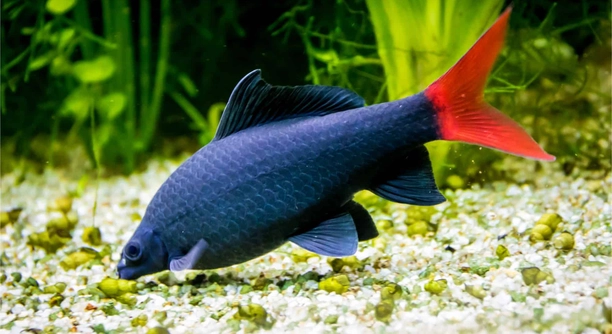
Do your rainbow sharks seem stressed, aggressive, or unwell, leaving you unsure how to create a better environment for them?
Rainbow sharks often face issues like territorial aggression, poor tank conditions, and incompatible tank mates. These problems usually arise from improper setup or care routines, but each has a clear and manageable solution.
From tank size to feeding habits, every detail plays a role in their overall well-being and behavior within your aquarium.
Aggression Toward Other Fish
Rainbow sharks are territorial and often display aggressive behavior toward tank mates, especially in smaller tanks. This aggression becomes more obvious as the fish matures and claims a section of the aquarium. They may chase, nip, or stress other fish, particularly those with a similar shape or size. To reduce this behavior, provide plenty of space—at least 55 gallons—and use decorations or plants to break up sightlines and establish hiding spots. Choose tank mates wisely, avoiding bottom dwellers and fish that resemble rainbow sharks. Peaceful mid-to-top swimmers like barbs and danios usually work well. Introduce all fish at the same time if possible, or rearrange the tank before adding new ones to prevent territorial dominance. A calm environment helps prevent injuries and long-term stress for everyone in the tank.
Keeping a single rainbow shark is often the easiest solution to avoid aggressive encounters with other bottom-dwelling or semi-aggressive species.
Aggression also increases when rainbow sharks are housed with others of their kind. Unlike schooling fish, rainbow sharks prefer to be alone and can become extremely dominant or even harmful when forced to share space. If you want more than one, the tank must be large enough—75 gallons or more—with plenty of separate hiding areas and visual barriers. Even then, success isn’t guaranteed. Monitor their behavior closely during the first few weeks. If signs of aggression persist, separating them is usually necessary. Also, never pair them with similar-looking species like red-tail sharks. Their natural instincts make them view these fish as rivals, leading to more tension and aggression within the tank. Prioritizing compatibility is essential for maintaining a peaceful setup.
Poor Water Quality
Poor water quality often leads to health issues and stress. Rainbow sharks need stable, clean conditions to thrive.
A clean tank is not optional—it’s a requirement. Rainbow sharks prefer slightly acidic to neutral water with a pH of 6.5 to 7.5, temperatures between 75°F and 80°F, and ammonia and nitrite levels at zero. Frequent water testing and weekly water changes of around 25% help maintain these levels. Avoid overfeeding, as leftover food can spike ammonia and cause bacteria growth. Use a strong filtration system to manage waste and maintain oxygen levels, especially in heavily stocked tanks. Algae buildup can also reduce water quality, so manage light exposure and clean surfaces regularly. A healthy rainbow shark is active, alert, and has rich coloring. Dull colors, lethargy, or gasping at the surface can signal poor water quality. Address any sudden changes quickly. Stable conditions support not just physical health but also better behavior and fewer stress-related issues over time.
Incompatible Tank Mates
Rainbow sharks often react badly to certain tank mates, especially those that live near the bottom or look similar. Fish like red tail sharks, bala sharks, and catfish can trigger territorial behavior and increase aggression.
Choosing tank mates is important for a peaceful tank. Rainbow sharks do best with fast-moving mid- to top-level swimmers that can avoid confrontation. Avoid slow or shy fish, as they may become targets. Barbs, gouramis, and rasboras usually work well if the tank is large enough. Try to introduce all fish when the rainbow shark is still young, or rearrange decorations before adding new ones. This resets territorial boundaries. Pay attention to behavior during the first few days—fin nipping, chasing, or hiding can signal stress. When in doubt, it’s safer to keep fewer fish than to overcrowd the tank and risk constant conflict.
Compatibility is not just about species but also personality. Even within peaceful groups, some individual fish may not get along. Watch for bullying, damaged fins, or changes in swimming patterns. Separate fish if needed to prevent injuries. Stress from constant chasing or hiding can weaken immune systems and shorten lifespans. In very large tanks with proper design, rainbow sharks may tolerate more types of fish, but this isn’t guaranteed. Choose species with different body shapes and activity levels. Use plants, rocks, or tunnels to create zones where fish can retreat or avoid confrontation. These visual breaks reduce tension and give each species space to move freely.
Lack of Hiding Spaces
Not having enough hiding spaces makes rainbow sharks feel exposed and threatened, especially in shared tanks. This often causes stress, aggression, and poor health over time. Decorations, rocks, and plants help create safe areas and reduce unwanted behavior.
Rainbow sharks are naturally territorial and like to claim part of the tank. Without proper cover, they can become aggressive or anxious. Hiding spaces also help other fish avoid the shark when needed, keeping stress levels low. Use caves, driftwood, or PVC pipes to offer shelter on the bottom level of the tank. Spread these across different areas to prevent crowding. Live or silk plants can also break up sightlines and reduce territorial behavior. A good layout allows fish to explore without feeling threatened. Avoid sharp decorations that could cause injury. Hiding areas not only help with behavior but also improve your fish’s overall sense of security and comfort.
A balanced setup helps fish feel at ease and reduces conflict. Choose decorations that match the tank’s size and layout. In smaller tanks, limit large pieces and use layered designs that provide depth and separation. In larger tanks, you can add more elaborate caves or stacked rocks, but always leave space for swimming. Keep escape routes open so fish can move freely without getting trapped. Rearranging the tank occasionally can also reset territories and ease tension. A well-decorated tank doesn’t just look nice—it supports your fish’s health. When rainbow sharks feel secure, they behave more calmly and interact better with their environment and tank mates.
Overfeeding
Overfeeding causes uneaten food to sink and rot, polluting the water and affecting your rainbow shark’s health. It can lead to digestive issues, bloating, and stress, especially if the tank isn’t cleaned regularly.
Feed only what they can eat in two minutes, once or twice a day. Remove leftovers immediately to prevent water quality problems.
Lack of Swimming Space
Rainbow sharks need room to swim freely. Cramped tanks limit their movement and increase aggression, especially toward other bottom dwellers. A tank of at least 55 gallons is necessary, with more space if other fish are included.
Long tanks are better than tall ones, allowing the shark to swim across its territory. Avoid over-decorating the middle area, so your fish has enough space to move without bumping into objects or other tank mates. Swimming room supports physical health, reduces boredom, and prevents unwanted aggression. When they can explore their space comfortably, rainbow sharks stay active, alert, and better behaved overall.
Incorrect Water Temperature
Low or high temperatures weaken the immune system, cause stress, and may increase aggression. Keep the water between 75°F and 80°F and use a reliable heater and thermometer for stability.
FAQ
Can rainbow sharks live with other rainbow sharks?
No, rainbow sharks are not social and usually don’t get along with their own kind. Keeping two or more in the same tank often leads to serious aggression, especially in smaller tanks. Even in large tanks over 75 gallons, there’s still a high risk of fighting unless the layout offers plenty of hiding areas and broken sightlines. They naturally see others of the same species as rivals and will chase, nip, or corner them. If you notice this behavior, it’s better to separate them before injuries occur. Most aquarists recommend keeping just one per tank.
Why is my rainbow shark hiding all the time?
Constant hiding can be a sign of stress. This may come from poor water quality, sudden changes in the tank, or the presence of aggressive tank mates. It might also mean your shark doesn’t feel secure due to a lack of cover or territory. Make sure the tank includes caves, plants, or decorations that allow them to claim space and feel safe. Also, double-check the temperature, pH, and ammonia levels. If everything is stable and the behavior continues, observe how other fish interact with it—bullying or chasing can cause long-term hiding and health decline.
How big do rainbow sharks get?
Rainbow sharks typically grow to about 6 inches in length. Some may reach up to 7 inches, especially in large tanks with excellent care. A common mistake is housing them in small tanks while they’re young and underestimating their adult size. As they grow, they’ll need more space to swim and establish territory. Cramped conditions increase stress, reduce activity, and lead to health problems. Planning for their adult size from the beginning helps prevent behavior issues later. A minimum 55-gallon tank is recommended, but larger setups work better for long-term care.
Do rainbow sharks eat algae?
Yes, rainbow sharks will eat some algae, especially when they’re younger. However, they’re not true algae eaters and should not be your tank’s main solution for algae control. As they age, they tend to eat more protein-rich foods like sinking pellets, bloodworms, and brine shrimp. Algae can still be a small part of their diet, but it’s important to feed a variety of high-quality foods to meet their nutritional needs. If you rely only on algae, your shark may become underfed or start acting aggressively toward tank mates out of hunger or frustration.
Why is my rainbow shark chasing other fish?
This behavior usually comes from territorial instincts. Rainbow sharks like to claim a specific area of the tank and will guard it against intruders. They’re especially aggressive toward other bottom dwellers or fish that look similar. Small tanks, poor layout, and lack of hiding spots can make this worse. Choose tank mates carefully and provide lots of visual breaks to reduce tension. If your shark continues to chase, consider upgrading the tank or rearranging decorations to reset territories. Chasing isn’t always aggressive, but if it leads to injuries or stress, you may need to separate the fish.
What should I feed my rainbow shark?
Offer a mix of sinking pellets, algae wafers, and occasional protein like brine shrimp, bloodworms, or daphnia. Rainbow sharks are omnivores, so they do well on a balanced diet with plant and protein sources. Avoid feeding only one type of food, and don’t overfeed—this can cause bloating and dirty water. Feed once or twice a day in small portions, and remove uneaten food after a couple of minutes. A varied diet supports color, energy, and overall health. Good nutrition also helps reduce stress-related behaviors like hiding or aggression.
How long do rainbow sharks live?
With proper care, rainbow sharks can live 6 to 10 years in captivity. Their lifespan depends on water quality, tank size, diet, and stress levels. Clean water, stable temperatures, and a balanced diet help them stay active and healthy longer. Avoid overcrowding the tank, and watch for signs of illness like white spots, fin damage, or erratic swimming. Regular maintenance and close observation go a long way in extending your rainbow shark’s life. Healthy fish will show vibrant colors, regular activity, and stable interactions with other tank mates.
Final Thoughts
Rainbow sharks can be a beautiful and interesting addition to a freshwater tank, but they are not always easy to care for. Their bold personality and territorial nature often lead to problems when their needs are not fully understood. A large tank, stable water conditions, proper tank mates, and a well-planned layout are all important for keeping them healthy and calm. Without enough space or hiding spots, rainbow sharks can become stressed, aggressive, or sick. These problems often show up as chasing, hiding, or changes in behavior. Most of the time, they can be avoided with the right setup and care from the beginning.
Taking the time to learn about rainbow shark behavior helps prevent common issues before they happen. This includes understanding their need for territory, how they interact with other fish, and how important water quality is to their health. Feeding them a varied diet and keeping the tank clean and well-filtered makes a big difference. Watching how your fish behaves and reacts to its environment can tell you a lot. If your rainbow shark is acting differently, it’s usually a sign that something in the tank needs to be fixed. A peaceful and balanced tank helps not just the shark but every fish living in it.
Caring for a rainbow shark is about more than just having a colorful fish in your aquarium. It requires patience, consistency, and the willingness to adjust things when needed. While they can be a challenge at times, they are also rewarding to keep when their needs are met. A well-cared-for rainbow shark will be active, alert, and full of personality. With the right setup and attention to detail, many of the common problems can be avoided entirely. Whether you’re planning your first tank or improving an existing one, these tips can help you create a better home for your rainbow shark and keep your aquarium running smoothly.

Hello,
If you enjoy the content that we create, please consider saying a "Thank You!" by leaving a tip.
Every little bit helps us continue crafting quality advice that supports the health, happiness, and well-being of pets around the world, for pets of all shapes, sizes, and species.
We really appreciate the kindness and support that you show us!