
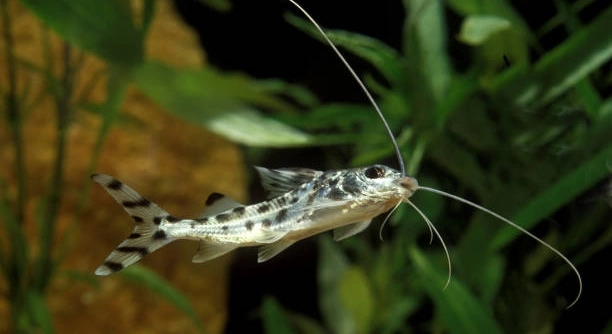
New Pictus tanks are becoming popular among aquarium hobbyists who want to create the perfect environment for their fish. Setting up a new tank can be exciting, but it often comes with some challenges that need attention. Knowing these common problems can help ensure your tank runs smoothly from the start.
New Pictus tanks frequently face issues such as water quality instability, improper cycling, temperature fluctuations, inadequate filtration, and stress among fish. These problems can affect fish health and tank balance if not addressed promptly and carefully.
Understanding these common challenges will help you create a better environment for your fish and avoid unnecessary setbacks in your new tank setup.
Water Quality Fluctuations
Water quality is one of the biggest challenges with new Pictus tanks. When the tank is freshly set up, the water chemistry is often unstable. Parameters like pH, ammonia, nitrites, and nitrates can shift quickly. These changes stress the fish and make it harder for beneficial bacteria to establish. Many people notice cloudy water or a strange smell during this phase. Regular water testing is essential to keep track of these changes. Performing partial water changes can help keep the environment healthier for your fish. Avoid adding too many fish at once to prevent ammonia spikes. It can take several weeks for the tank to stabilize, so patience is key.
Maintaining consistent water quality helps your Pictus catfish adjust and thrive in their new home.
Taking steps to monitor and improve water quality early on reduces health risks for your fish and supports a balanced tank environment.
Improper Tank Cycling
Tank cycling is the process where beneficial bacteria grow and convert harmful ammonia into less toxic substances. Many new tank owners skip or rush this step, which can cause dangerous ammonia and nitrite levels. Without proper cycling, fish can become sick or even die. Cycling usually takes 4 to 6 weeks and involves regularly testing water and sometimes adding bacteria supplements. Patience during this period prevents problems later on. It’s important to start the cycle before adding Pictus catfish to reduce stress and keep water safe. This step also helps maintain clear water and a healthy balance in your tank.
Taking the time to properly cycle your tank will create a safe environment for your fish. Skipping this step can lead to long-term issues that are harder to fix. Ensuring the tank is fully cycled before introducing your fish is a vital part of successful aquarium care. The process may seem slow, but it is essential to prevent toxic buildups and keep your Pictus catfish healthy. Knowing what to expect helps you stay prepared and confident as you set up your new tank.
Temperature Instability
Pictus catfish prefer stable temperatures between 75°F and 82°F. Sudden changes can stress them and weaken their immune systems.
In new tanks, heaters may not be properly calibrated or positioned, causing uneven temperatures. It’s important to use a reliable heater and a thermometer to monitor the water constantly. Avoid placing the tank in direct sunlight or near drafts, which can cause temperature swings. Maintaining consistent warmth helps your fish stay healthy and active, reducing the risk of disease.
Temperature fluctuations also affect beneficial bacteria growth, slowing the cycling process. Consistency in temperature creates a better environment for both fish and bacteria, supporting long-term tank stability.
Filtration Problems
An underperforming filter can lead to poor water quality and unhappy fish. Many new tanks come with filters that are not powerful enough for the tank size or fish load.
Choosing the right filter type and size is essential to keep the water clean and well-oxygenated. Mechanical, biological, and chemical filtration all play important roles in maintaining tank health. Cleaning the filter regularly prevents clogging but avoid over-cleaning, as it can remove helpful bacteria.
A strong and efficient filter helps control waste and toxins, ensuring your Pictus catfish have a comfortable and safe environment to swim and explore. It also reduces the need for frequent water changes, making tank maintenance easier and more enjoyable.
Stress and Aggression
Pictus catfish can become stressed when housed with aggressive or overly active tank mates. Stress affects their health and behavior.
Providing hiding spots and peaceful companions helps reduce stress. A calm environment encourages natural behavior and better health for your fish.
Overfeeding
Overfeeding is a common problem that can quickly harm your tank’s balance. Excess food decays, causing water quality issues like ammonia spikes.
Feed your Pictus catfish small amounts once or twice a day. Remove any uneaten food after a few minutes to keep the tank clean and safe.
Inadequate Hiding Places
Pictus catfish are shy and nocturnal. They need plenty of hiding spots to feel secure and reduce stress.
Using plants, caves, or decorations gives them shelter and helps mimic their natural habitat, promoting healthy behavior.
What is the best way to cycle a new Pictus tank?
The best way to cycle your tank is by allowing beneficial bacteria to grow naturally and convert toxic ammonia into less harmful substances. Start by setting up the tank with water, substrate, and filter. Add a small amount of fish food or pure ammonia to feed the bacteria. Test the water regularly for ammonia, nitrites, and nitrates. When ammonia and nitrite levels drop to zero and nitrates rise, the cycle is complete. This process usually takes 4 to 6 weeks. Avoid adding fish before cycling finishes to prevent stress or death. You can also use bottled bacteria supplements to speed up cycling, but regular water testing remains important.
How often should I test water quality in a new Pictus tank?
In a new tank, test water at least two to three times per week. This helps track changes in ammonia, nitrites, nitrates, and pH levels during the critical cycling period. After the tank stabilizes, weekly testing is usually enough. Consistent testing helps catch problems early and keeps the tank safe for your fish.
Why does my new tank water look cloudy?
Cloudy water in a new tank is often caused by bacterial bloom, which happens during the cycling process. It occurs as beneficial bacteria multiply rapidly to process waste. This cloudiness usually clears on its own within a week or two as the tank balances out. Avoid changing the water too often during this time, as it can disrupt the cycling. If cloudiness persists, check your filtration and water quality.
What temperature should I keep my Pictus tank at?
Keep the tank temperature steady between 75°F and 82°F. Use a reliable heater and thermometer to maintain this range. Avoid placing the tank in direct sunlight or near vents that cause temperature swings. Stable warmth helps reduce stress and supports fish health.
How much should I feed my Pictus catfish?
Feed small amounts once or twice daily. Offer only what they can finish within a few minutes. Overfeeding leads to uneaten food that pollutes the water. Remove leftovers promptly to keep the tank clean. A balanced diet with sinking pellets, frozen foods, and occasional live food keeps your catfish healthy.
Can Pictus catfish live with other fish?
Yes, Pictus catfish are peaceful and can live with other non-aggressive fish. Avoid keeping them with large or territorial species. Provide hiding places to reduce stress and prevent aggression. A calm tank environment helps Pictus catfish feel secure and behave naturally.
How often should I clean the filter in a new tank?
Clean the filter once every 2 to 4 weeks, depending on how dirty it gets. Avoid cleaning all filter media at once, as this removes beneficial bacteria. Rinse the filter parts gently in tank water during water changes to preserve bacteria colonies. Regular filter maintenance supports good water quality and tank health.
Why do my Pictus catfish hide a lot?
Pictus catfish are naturally shy and nocturnal. They prefer to hide during the day and come out mostly at night. Providing caves, plants, and decorations gives them safe spaces to rest. If they hide excessively, check water quality and tank conditions, as stress or illness may be factors.
What causes sudden fish deaths in a new tank?
Sudden deaths often result from poor water quality, unfinished cycling, or stress. High ammonia or nitrite levels are toxic and can kill fish quickly. Temperature fluctuations and aggressive tank mates also contribute. Regular testing, proper cycling, and careful monitoring help prevent losses.
How can I reduce algae growth in my Pictus tank?
Algae thrive on excess light and nutrients. Limit lighting to 8–10 hours a day and avoid overfeeding. Regular water changes and good filtration reduce nutrients that feed algae. Adding live plants can compete with algae for resources, helping keep it under control.
When setting up a new Pictus tank, it’s important to be prepared for some common challenges. These fish need stable water conditions, proper cycling, and a balanced environment to thrive. Water quality issues like ammonia spikes or temperature changes can cause stress and illness if not handled early. Taking time to test water regularly and maintain good filtration can help keep the tank healthy. It’s normal to face some trial and error, but patience and care go a long way in creating a safe home for your fish.
Proper tank cycling is one of the most important steps for new Pictus tanks. Rushing this process often leads to problems with toxic chemicals in the water. Waiting for beneficial bacteria to grow and clean the tank naturally sets the foundation for a healthy aquarium. Keeping the temperature steady and avoiding overfeeding are also key to reducing stress on your fish. Providing hiding places and choosing compatible tank mates make your Pictus catfish feel secure, helping them display their natural behaviors.
Overall, success with a new Pictus tank depends on attention to detail and consistent care. Monitoring water parameters, maintaining filtration, and feeding appropriately will help your fish stay healthy. Remember that some issues are common when starting out, but they can be managed with the right approach. Taking your time and learning about your tank’s needs will lead to a thriving aquatic environment where your Pictus catfish can grow and flourish peacefully.

Hello,
If you enjoy the content that we create, please consider saying a "Thank You!" by leaving a tip.
Every little bit helps us continue crafting quality advice that supports the health, happiness, and well-being of pets around the world, for pets of all shapes, sizes, and species.
We really appreciate the kindness and support that you show us!