
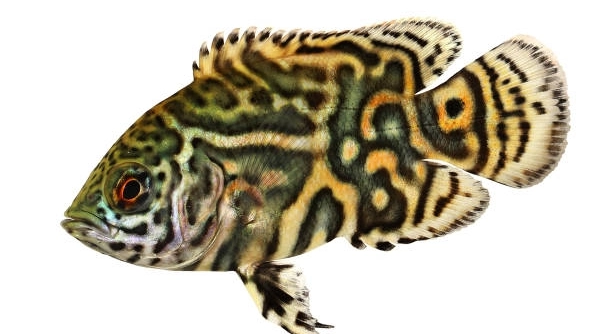
Owning an Oscar fish can be a rewarding experience, but it’s not always smooth sailing. New Oscar owners often face a range of challenges when caring for these vibrant, energetic fish. Understanding these common issues can help ensure a better experience.
New Oscar owners frequently encounter problems related to water quality, aggression, and diet. Issues such as improper tank conditions or insufficient nutrition can lead to health problems, while Oscars’ territorial behavior might create difficulties in multi-fish setups.
These common obstacles can easily be managed with a little knowledge and preparation. By understanding how to maintain the right environment and care routines, you can keep your Oscar healthy and happy.
Poor Water Quality
Oscar fish are highly sensitive to water quality. If the water isn’t kept clean and properly balanced, it can lead to stress, illness, and even death. New owners often overlook the importance of regular water changes and proper filtration. Oscars produce a lot of waste, so a good filtration system is crucial to keep ammonia and nitrite levels in check. Keeping the water temperature between 75°F and 80°F is also essential to avoid stress. Regularly test the water using a reliable kit and change 20-30% of the water every week to maintain optimal conditions.
Maintaining water quality is an ongoing responsibility that can’t be neglected. Regular cleaning, water changes, and monitoring levels are necessary for your Oscar’s health.
Investing in a high-quality filtration system can greatly reduce the amount of maintenance needed. Using a filter that is rated for a tank size larger than your current setup ensures it’s effective enough to handle waste. Keeping the water temperature stable and providing enough surface area for oxygen exchange also help to keep your Oscar healthy. Being proactive about water quality can prevent many common health problems and improve your Oscar’s overall well-being.
Aggression and Territorial Behavior
Oscars are known for their territorial nature, which can lead to aggression. They may become more aggressive when they feel their space is threatened or if they are placed with other fish in a cramped tank.
Oscars are not always the best community fish due to their dominant behavior. When kept with other fish, it’s essential to ensure the tank is large enough and provides hiding spots for other fish.
Aggression usually increases when Oscars are stressed, sick, or uncomfortable. To prevent this, ensure your Oscar’s tank has plenty of room, at least 55 gallons or more. Additionally, it’s best to keep only one Oscar per tank unless you have a very large setup. If you decide to add tankmates, choose non-aggressive species that can hold their ground. Be prepared to separate them if fighting occurs, as Oscars can cause serious harm. The key is to create an environment where your Oscar feels secure and has ample space to establish its territory.
Incorrect Diet
Oscar fish require a varied diet to stay healthy. Many new owners feed them only one type of food, which can lead to malnutrition or health issues. A balanced diet should include high-quality pellets, frozen or live foods, and occasional treats like shrimp or earthworms.
Oscars are omnivores, so their diet should be diverse. High-quality pellets designed for carnivorous fish are a great base. However, offering frozen or live food such as bloodworms, brine shrimp, or feeder fish can provide necessary nutrients and prevent boredom. Always monitor portion sizes to avoid overfeeding, as Oscars are prone to obesity.
Feeding your Oscar a wide range of foods helps mimic its natural diet. This ensures it gets the proper nutrients, such as protein, vitamins, and minerals. It’s also a good idea to rotate between different types of food to keep things interesting for your fish. Offering a variety of foods can help prevent digestive issues and promote long-term health.
Tank Size and Space
Oscars can grow quite large, reaching up to 12-14 inches in length. This means they need a spacious tank to live comfortably. Many new owners underestimate how much space Oscars need, which can result in stress and stunted growth.
A minimum tank size of 55 gallons is recommended for a single Oscar. As they grow, they require even more space to move around. A cramped tank can cause stress, aggression, and health problems. When choosing a tank, always consider the adult size of the fish, not just when they are small. A larger tank will also help maintain better water quality.
In addition to the tank’s size, it’s important to provide hiding spots and decorations that allow your Oscar to establish its territory. A tank that feels too open can cause stress for your fish. Adding rocks, driftwood, or plants will give your Oscar areas to explore and feel secure. Providing enough space and hiding areas will contribute to a happier and healthier fish.
Poor Tank Maintenance
Keeping your tank clean is one of the most important aspects of Oscar care. Many new owners neglect regular tank maintenance, leading to a buildup of waste and harmful chemicals. This can negatively affect your fish’s health.
Regular cleaning of the tank, substrate, and equipment is essential to maintaining water quality. It’s important to vacuum the substrate regularly to remove uneaten food and debris. Additionally, cleaning the filter media helps maintain its effectiveness, ensuring the water stays clean. Neglecting these tasks can lead to poor water quality and a stressed-out Oscar.
Overfeeding
Overfeeding is a common problem with new Oscar owners. Oscars love to eat and will happily consume more food than they need. Overfeeding can lead to obesity, poor water quality, and digestive problems.
Feed your Oscar small portions once or twice a day, and avoid leaving uneaten food in the tank. Overfeeding not only affects your fish’s health but also leads to waste buildup in the water. This can harm the tank environment and cause algae growth, affecting the overall balance of the ecosystem.
Incompatible Tankmates
Oscars are territorial and aggressive, so choosing compatible tankmates can be tricky. If not carefully selected, tankmates can be bullied or even injured by your Oscar.
When adding tankmates, consider fish that are similarly sized and have peaceful temperaments. Avoid adding smaller, slower fish, as Oscars may view them as prey. Always monitor their behavior when introducing new tankmates, and be prepared to separate them if aggression occurs. Properly selecting compatible species will help prevent harm and create a more balanced tank environment.
FAQ
How often should I feed my Oscar?
Feed your Oscar once or twice a day, offering small portions that they can consume within 2-3 minutes. Overfeeding can lead to obesity and poor water quality, as uneaten food will rot in the tank. Adjust the amount based on the size of your Oscar and remove any leftover food after each feeding.
What size tank does an Oscar need?
An Oscar fish requires a minimum of a 55-gallon tank. As it grows, it will need more space to swim comfortably. A larger tank also helps maintain better water quality and reduces stress. If you plan to keep multiple Oscars or add other tankmates, a 75-gallon or larger tank is recommended.
Can I keep multiple Oscars together?
It is possible to keep multiple Oscars together, but it requires a very large tank (at least 100 gallons or more) and a careful approach. Oscars are territorial and can be aggressive, especially if they feel crowded. It’s best to introduce them when they are small or provide enough hiding spots for each fish.
What kind of filtration system should I use for an Oscar tank?
Oscar fish produce a lot of waste, so a strong filtration system is essential to maintain water quality. A canister filter or a high-flow hang-on-back filter is usually recommended. The filter should be rated for a tank size larger than your current setup to ensure it can handle the waste effectively.
How often should I change the water in my Oscar tank?
You should change 20-30% of the water in your Oscar’s tank every week. This helps keep the water clean and reduces harmful levels of ammonia and nitrates. Always test the water before and after water changes to ensure the levels are safe for your fish.
What should I do if my Oscar becomes aggressive?
If your Oscar becomes overly aggressive, first check if there are any signs of stress, poor water quality, or overcrowding. Try rearranging the tank decor to disrupt the Oscar’s territorial behavior. In some cases, separating the Oscar from other fish may be necessary, especially if it’s attacking tankmates.
What temperature should my Oscar’s tank be?
The ideal water temperature for an Oscar is between 75°F and 80°F. If the water is too cold or too hot, your Oscar can become stressed or even sick. Use a reliable heater to maintain a stable temperature and a thermometer to monitor it regularly.
Can I keep other fish with my Oscar?
Oscars can live with other large, peaceful fish, but they are known to be aggressive. Avoid keeping them with small or slow-moving fish, as they may become prey. Fish like large catfish, plecos, or other robust species can make good tankmates, but always monitor their interactions.
Why is my Oscar swimming at the surface of the tank?
Oscars swimming at the surface of the tank could be a sign of several issues. It could indicate a lack of oxygen, poor water quality, or a stressed fish. Check your filter to ensure it’s working properly, and consider adding an air pump to improve oxygen flow in the tank.
What should I do if my Oscar is not eating?
If your Oscar stops eating, check the water quality, as poor conditions can lead to a lack of appetite. Stress, illness, or a change in diet could also cause this behavior. Try offering different types of food to tempt them, and if the issue persists, consult a veterinarian for advice.
How can I tell if my Oscar is sick?
Signs of illness in Oscars include loss of appetite, discoloration, abnormal swimming patterns, or spots/lesions on their body. If you notice any of these signs, test the water quality immediately and take action to correct any issues. If the symptoms continue, consult a vet or a fish specialist for a proper diagnosis.
How fast do Oscars grow?
Oscars grow quickly, especially during their first year. They can grow up to 1-2 inches per month until they reach their adult size of 12-14 inches. Providing proper nutrition, tank space, and water quality will ensure they grow at a healthy rate.
What kind of substrate is best for an Oscar tank?
A fine gravel or sand substrate is best for an Oscar tank. Avoid using sharp rocks or rough substrate, as they can damage your Oscar’s sensitive barbels. Sand or fine gravel also makes it easier to clean the tank, as waste is less likely to get stuck in the substrate.
Can Oscars live with plants?
While Oscars can live with live plants, they are known to dig and uproot them. If you want to add plants to your tank, choose hardy, tough species like Anubias or Java fern. You may also want to consider artificial plants if your Oscar is prone to destroying them.
Final Thoughts
Owning an Oscar fish can be a rewarding experience, but it does come with challenges. These fish require careful attention to their environment and health. Maintaining proper water quality is one of the most important tasks you’ll face. Since Oscars produce a lot of waste, their tank needs a strong filtration system and regular water changes to keep the water clean. Without these, your Oscar may become stressed or even sick. Additionally, ensuring the tank is the right size is crucial for their well-being. Oscars are large fish, and they need plenty of space to swim and feel comfortable.
In addition to water quality and tank size, Oscars have specific dietary needs. Feeding your Oscar a variety of foods, such as high-quality pellets and occasional live or frozen foods, will ensure they receive the nutrients they need. Overfeeding can lead to health problems and worsen water quality, so it’s essential to feed them the right amount. Oscars are also known for their territorial behavior, which can sometimes cause issues with aggression, especially if they are housed with other fish. It’s important to choose tankmates carefully and provide hiding spots to reduce stress.
Overall, if you provide the right care and attention, your Oscar fish can live a long, healthy life. Their vibrant colors and unique personalities make them a joy to have in your home. However, it’s important to stay informed about their needs and be prepared to make adjustments to their care as they grow. With the right setup, diet, and regular maintenance, your Oscar will thrive, and you’ll be able to enjoy watching it for many years to come.

Hello,
If you enjoy the content that we create, please consider saying a "Thank You!" by leaving a tip.
Every little bit helps us continue crafting quality advice that supports the health, happiness, and well-being of pets around the world, for pets of all shapes, sizes, and species.
We really appreciate the kindness and support that you show us!