
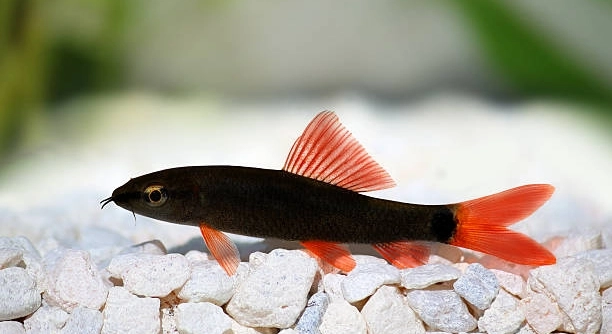
Many people enjoy keeping rainbow sharks as lively additions to their aquariums. These fish need proper care to stay healthy and vibrant. Knowing the common problems that affect their health can help owners provide the best environment.
Rainbow sharks often face issues like poor water quality, improper diet, stress from tank mates, diseases, and injuries. These factors can lead to weakened immune systems and deteriorating health if not addressed promptly. Understanding these problems is crucial for maintaining their well-being.
Recognizing these common health problems will help you keep your rainbow shark thriving and avoid costly mistakes in care. This article will guide you through the key issues to watch for.
Poor Water Quality
Maintaining clean water is essential for your rainbow shark’s health. These fish are sensitive to changes in water conditions like ammonia, nitrite, and nitrate levels. High levels of toxins can cause stress, breathing difficulties, and illness. Regular water testing and partial water changes help keep these levels in check. Temperature and pH also matter—a stable environment prevents sudden shocks. Without proper care, poor water quality can lead to fin rot or other infections. Filters should be cleaned and maintained regularly to ensure they work efficiently. Taking these steps helps create a safe habitat where your rainbow shark can thrive.
Water changes of 25% weekly are usually enough to keep the tank clean and balanced.
Keeping water clean is one of the simplest ways to avoid many health problems. Using test kits to monitor ammonia, nitrites, nitrates, pH, and temperature makes a big difference. Avoid overfeeding, as leftover food pollutes the water. Also, overcrowding causes waste buildup and stresses your fish. A balanced tank with good filtration and regular cleaning is the best way to support your rainbow shark’s health and prevent disease.
Improper Diet
A rainbow shark’s diet greatly affects its health and colors. These fish need a mix of plant-based foods and protein. Feeding only flakes or pellets won’t meet their nutritional needs. Including algae wafers, vegetables like zucchini or peas, and occasional live or frozen foods improves their well-being. Overfeeding can lead to obesity and dirty water, so feeding small amounts twice daily is best. Variety in diet helps prevent deficiencies that weaken the immune system and cause lethargy or color fading.
If you notice dull colors or reduced activity, diet could be the issue.
Feeding the right foods in proper amounts helps your rainbow shark maintain energy and vibrant colors. They naturally graze on algae and should have access to it or plant matter. Protein sources like bloodworms or brine shrimp support growth and repair. Avoid feeding large amounts of one food type or human food, as it may upset digestion. Observing your fish’s eating habits can guide adjustments, ensuring they get what they need. A healthy diet combined with good tank conditions keeps your rainbow shark active and bright.
Stress From Tank Mates
Rainbow sharks can become stressed when kept with aggressive or overly active fish. Stress weakens their immune system and can lead to illness.
A peaceful community tank with enough space helps reduce conflicts. Avoid housing rainbow sharks with very aggressive species or small fish they might bully. Provide hiding spots and plants so your shark can retreat if needed. Overcrowding increases stress, so keep the number of fish appropriate for your tank size.
Stress often shows through changes in behavior, like hiding or loss of appetite. Monitoring how your rainbow shark interacts with other fish is important. Adjusting tank mates or the environment quickly helps keep stress levels low and supports better health.
Common Diseases
Rainbow sharks are prone to diseases like fin rot, ich, and fungal infections. These illnesses usually result from poor water quality or stress.
Fin rot causes ragged fins, often due to bacterial infection. Ich appears as small white spots, and fungal infections show as cottony growths. Early detection is key for effective treatment. Quarantine new fish before adding them to the tank. Using medicated treatments and improving tank conditions can stop disease progression.
Maintaining stable water parameters and reducing stress helps prevent these common illnesses. If you notice symptoms, act quickly to treat the problem and protect your fish’s health. Regular tank maintenance is the best defense against disease outbreaks.
Injuries From Tank Decor
Sharp or rough decorations can injure your rainbow shark. Cuts and scrapes may become infected if untreated.
Use smooth, rounded decorations and avoid overcrowding the tank. Provide plenty of open swimming space to reduce accidental injuries.
Inadequate Tank Size
Rainbow sharks need enough space to swim freely. Small tanks cause stress and stunted growth.
A minimum of 30 gallons is recommended for one rainbow shark. Larger tanks are better for multiple fish or community setups. Adequate space supports healthier, more active fish.
Poor Lighting
Lighting affects your rainbow shark’s activity and color. Too bright or too dim lighting can cause stress.
Use moderate lighting that mimics natural conditions. Provide shaded areas with plants or decorations for resting. Adjust lighting duration to about 8–10 hours daily to maintain balance.
Parasites
Parasites like flukes and worms can infect rainbow sharks, causing discomfort and illness.
What are the most common signs of illness in rainbow sharks?
Common signs include loss of appetite, lethargy, faded colors, clamped fins, and unusual swimming patterns. You may also notice white spots (ich), torn fins (fin rot), or cottony patches (fungal infections). Early detection helps prevent serious health problems and increases chances for recovery.
How often should I change the water in my rainbow shark’s tank?
Perform a partial water change of about 25% weekly to maintain water quality. Frequent water changes help remove toxins like ammonia and nitrates that build up from waste and uneaten food. Regular testing supports a healthy environment and reduces stress on your fish.
Can rainbow sharks live with other fish?
Yes, but tank mates must be chosen carefully. Rainbow sharks can be territorial and aggressive, especially in small tanks. Peaceful, similarly sized fish that occupy different tank levels work best. Avoid keeping multiple rainbow sharks together unless you have a very large tank with plenty of hiding places.
What should I feed my rainbow shark?
Feed a balanced diet of flakes or pellets formulated for omnivorous fish, supplemented with algae wafers, blanched vegetables like zucchini or peas, and occasional live or frozen foods such as bloodworms. Avoid overfeeding to prevent obesity and poor water quality.
How can I prevent diseases in my rainbow shark?
Maintain clean water with stable parameters, avoid overcrowding, and provide a balanced diet. Quarantine new fish before adding them to the main tank. Keep stress low by providing hiding spots and compatible tank mates. Promptly treat any signs of illness.
What is fin rot and how can I treat it?
Fin rot is a bacterial infection causing frayed or disintegrating fins. It usually results from poor water conditions or injuries. Improve water quality, remove stressors, and use antibacterial medications if necessary. Quarantining the affected fish can prevent spread.
How can I reduce stress in my rainbow shark?
Provide ample swimming space and hiding places with plants or decorations. Avoid aggressive tank mates and overcrowding. Maintain consistent water parameters and a regular feeding schedule. Stress reduction improves immunity and overall health.
Why is my rainbow shark losing color?
Fading colors often result from stress, poor diet, or illness. Check water quality and tank conditions first. Ensure a varied diet rich in nutrients. Address any signs of disease promptly to help restore vibrant colors.
How big do rainbow sharks get?
Rainbow sharks can grow up to 6 inches long. Proper tank size and diet are important to support healthy growth and prevent stunted development.
Can rainbow sharks live in a small tank?
Small tanks under 30 gallons are not ideal. Limited space can cause stress, aggression, and poor health. A minimum 30-gallon tank is recommended for one fish, with larger tanks needed for multiple fish or community setups.
Taking care of a rainbow shark requires attention to several important factors. Water quality must be monitored closely to keep the environment safe and clean. Poor water conditions can quickly cause health problems, so regular testing and water changes are essential. Providing the right tank size and decorations also helps reduce stress and injuries. A spacious tank with smooth decorations and plenty of hiding spots makes your fish feel secure and comfortable. Stress can weaken their immune system, making them more vulnerable to diseases.
Feeding your rainbow shark a balanced diet is another key part of good care. These fish need both plant-based and protein-rich foods to stay healthy and maintain their bright colors. Overfeeding or offering only one type of food can lead to health issues. Observing your fish’s eating habits can help you adjust their diet to better meet their needs. Along with good nutrition, choosing suitable tank mates is important. Rainbow sharks can be territorial, so peaceful companions that won’t cause fights help keep stress low and improve overall tank harmony.
Common diseases and parasites can threaten your rainbow shark if not addressed early. It’s important to recognize symptoms like white spots, ragged fins, or unusual behavior. Quick action, including improving water quality and using treatments, increases the chance of recovery. Keeping the tank clean, avoiding overcrowding, and maintaining stable conditions will prevent many health problems before they start. By understanding these key points and regularly checking on your fish, you can provide a healthy and happy home for your rainbow shark. This care will allow them to thrive and bring enjoyment to your aquarium.

Hello,
If you enjoy the content that we create, please consider saying a "Thank You!" by leaving a tip.
Every little bit helps us continue crafting quality advice that supports the health, happiness, and well-being of pets around the world, for pets of all shapes, sizes, and species.
We really appreciate the kindness and support that you show us!