
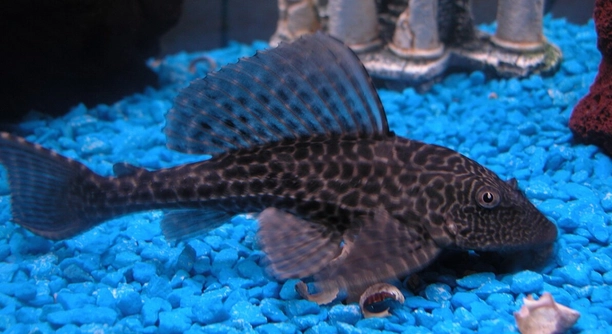
Feeding plecos properly is essential for their health and well-being, but it’s easy to make mistakes. Even experienced fish owners can miss some key details. Avoiding common feeding errors will help your plecos thrive.
Plecos are bottom-dwelling fish that require a balanced diet of algae, vegetables, and specially formulated pellets. Overfeeding, improper food choices, and failing to provide enough variety are common mistakes that can lead to health problems like obesity or malnutrition.
These simple mistakes can be easily avoided once you understand the best practices for feeding plecos. Learn how to ensure a healthy, balanced diet for your fish.
Overfeeding Your Pleco
Overfeeding plecos is a common mistake many aquarium owners make. Plecos can be fed in small quantities once or twice a day, but it’s easy to give them too much food. Leftover food can quickly pollute the water, leading to poor water quality and health issues for your pleco. When you feed your pleco more than it can consume, the uneaten food creates waste that accumulates in the tank. This excess waste increases the chances of water-related diseases like ich or fin rot.
It’s essential to monitor your pleco’s eating habits and adjust their food portions accordingly. Overfeeding can also lead to obesity, which can shorten their lifespan.
To avoid overfeeding, remove any uneaten food within a few hours. This will keep the tank clean and prevent the buildup of waste, promoting better water quality and a healthier pleco. A healthy pleco will enjoy a balanced diet without excess food lingering around.
Feeding Plecos the Wrong Food
Choosing the wrong food for your pleco can lead to nutritional deficiencies. Plecos need a mix of algae-based foods, vegetables, and high-quality pellets. Too much meat-based food can cause digestive issues.
Not Providing Enough Variety
Feeding your pleco the same food every day can lead to nutritional imbalances. Plecos need a diverse diet, including algae wafers, vegetables like zucchini and cucumber, and occasional protein sources like shrimp. Offering only one type of food will leave gaps in their nutrition, causing health issues.
A lack of variety can lead to deficiencies in essential nutrients like fiber, vitamins, and minerals. These gaps can affect their digestion, immune system, and overall health. Offering different foods regularly helps prevent such issues, allowing your pleco to thrive.
Without variety, your pleco may also become bored, and their interest in eating can decline. A less motivated pleco can result in malnutrition over time. It’s best to rotate different foods every few days to maintain their interest and ensure a well-rounded diet.
Not Adjusting Food for Different Life Stages
Plecos have different dietary needs as they grow. Juvenile plecos need higher protein content for growth, while adults require more plant-based foods. Not adjusting their diet as they age can affect their development.
Juvenile plecos are still growing and developing their muscles and organs, so they need a diet richer in protein to support this growth. On the other hand, adult plecos are more likely to graze on algae and vegetables. Adult plecos may develop health issues, such as organ strain, if fed too much protein.
To cater to their different life stages, monitor your pleco’s growth and adjust their food accordingly. Younger plecos can benefit from more protein-rich options, while adult plecos need to shift towards a more plant-based diet. It’s important to make these changes gradually to avoid stress.
Feeding Only Algae Wafers
Algae wafers are a great food choice for plecos, but relying on them exclusively can be problematic. Plecos need a balanced diet, and algae wafers alone may not provide the full range of nutrients they require.
Algae wafers lack certain essential nutrients, especially protein, which plecos need to stay healthy. If you feed them only algae wafers, they might not get the vitamins, minerals, or variety of textures they need to thrive. Incorporate vegetables and other food sources to ensure they receive a well-rounded diet.
Ignoring Tank Conditions
Your pleco’s eating habits can be affected by the quality of the water in the tank. Poor water conditions lead to stress, which can result in reduced appetite. Clean, stable water is key to a healthy, happy pleco.
Stress from dirty water can make your pleco reluctant to eat, which might lead to malnutrition. If your pleco isn’t eating properly, it’s important to check your water quality first. Ensure that the temperature, pH, and ammonia levels are within the appropriate range for plecos. A healthy environment encourages healthy eating habits.
Not Removing Leftover Food
Leftover food in the tank can pollute the water and cause a rise in harmful toxins. It’s crucial to remove any uneaten food to maintain water quality.
When food is left in the tank, it breaks down and releases harmful substances that affect your pleco’s health. Even small amounts of leftover food can lead to water quality issues over time. Regularly remove uneaten food to ensure a cleaner tank, which benefits both your pleco and other tank inhabitants.
FAQ
How often should I feed my pleco?
Plecos should be fed once or twice a day, depending on their size and age. Juvenile plecos require more frequent feedings, while adults may only need one meal per day. It’s important not to overfeed, as excess food can pollute the water. Offer small portions, and remove any uneaten food after a few hours.
Can plecos eat fish flakes?
Fish flakes are not ideal for plecos. While they can occasionally nibble on them, plecos are primarily herbivores and require a diet rich in algae, vegetables, and specially formulated pellets. Feeding fish flakes regularly may not provide the necessary nutrients they need. Stick to algae wafers, fresh veggies, and occasional protein sources to ensure they stay healthy.
Are plecos bottom feeders?
Yes, plecos are bottom feeders, which means they spend most of their time foraging along the substrate of the tank. They naturally graze on algae, detritus, and leftover food. While they may occasionally swim to the surface for air, they primarily feed on the bottom, so it’s important to provide foods that encourage this natural behavior.
Can I feed my pleco cucumber?
Yes, plecos love cucumber, and it’s an excellent addition to their diet. Slice the cucumber into thin pieces or larger chunks and attach it to the side of the tank. Be sure to remove any uneaten cucumber after a few hours, as it can break down and pollute the water. It’s a great source of fiber and hydration for your pleco.
Is it okay to feed plecos protein-based food?
Yes, but only occasionally. Plecos are mostly herbivores, but they do need some protein to maintain healthy growth, especially when they are young. Shrimp, bloodworms, or occasional protein-rich pellets can be given, but their primary diet should consist of plant-based foods like algae and vegetables. Avoid feeding too much protein to adult plecos, as it can lead to health problems.
Can plecos eat zucchini?
Yes, zucchini is another excellent vegetable for plecos. It’s a great source of fiber and vitamins. Slice the zucchini into thin rounds or strips, and attach it to the side of the tank with a clip. Like cucumber, any leftover zucchini should be removed after a few hours to prevent water contamination.
Why isn’t my pleco eating?
If your pleco isn’t eating, it could be due to several factors. Poor water quality, stress from tank mates, or illness can cause a loss of appetite. First, check your water parameters, such as temperature, pH, and ammonia levels. Ensure your pleco is in a calm environment, and provide a variety of foods to entice it to eat. If the problem persists, consider consulting a veterinarian or fish expert.
Can plecos eat fruit?
While plecos don’t typically eat fruit in the wild, they can occasionally enjoy small pieces of fruits like apples or bananas. However, fruit should only be given in moderation because it’s high in sugar and can upset their digestive system. Avoid giving citrus fruits, as they can be too acidic for your pleco’s stomach.
How do I feed my pleco algae?
Algae wafers are the easiest way to provide algae to your pleco. These can be dropped into the tank, and plecos will graze on them throughout the day. If you prefer a more natural method, you can also grow algae in the tank, but this requires careful management to avoid excessive buildup. Regular cleaning and water changes will help maintain a healthy balance.
Can plecos eat lettuce?
Yes, plecos can eat lettuce, but it’s best to avoid iceberg lettuce, as it has little nutritional value. Romaine or leaf lettuce is a better choice because it offers more vitamins and minerals. You can blanch the lettuce to make it softer and easier for the pleco to eat. Remove any uneaten lettuce to prevent it from rotting in the tank.
Final Thoughts
Feeding your pleco properly is crucial to their overall health and well-being. It’s important to provide a varied diet that includes algae, vegetables, and occasional protein sources. Relying on one type of food can cause nutritional imbalances that may lead to health problems over time. Plecos, like all fish, need a well-rounded diet to thrive, so rotating their food choices regularly is key to ensuring they get all the necessary nutrients.
Additionally, paying attention to your pleco’s tank environment plays a significant role in their eating habits. If the water quality is poor, they may become stressed and refuse to eat. Regular water changes and monitoring the water’s temperature, pH, and ammonia levels are essential steps in keeping your pleco healthy. A clean, stable environment will encourage your pleco to feed properly, promoting better digestion and overall health. It’s just as important to remove any uneaten food from the tank to prevent water contamination and keep the habitat clean.
In conclusion, maintaining a balanced diet and a clean tank will go a long way in ensuring your pleco remains healthy and happy. By avoiding common feeding errors and adjusting their diet as they grow, you’ll be able to provide them with the nutrients they need. Remember, your pleco relies on you to meet their dietary needs, and with a little effort and care, you can help them thrive for years to come.

Hello,
If you enjoy the content that we create, please consider saying a "Thank You!" by leaving a tip.
Every little bit helps us continue crafting quality advice that supports the health, happiness, and well-being of pets around the world, for pets of all shapes, sizes, and species.
We really appreciate the kindness and support that you show us!