
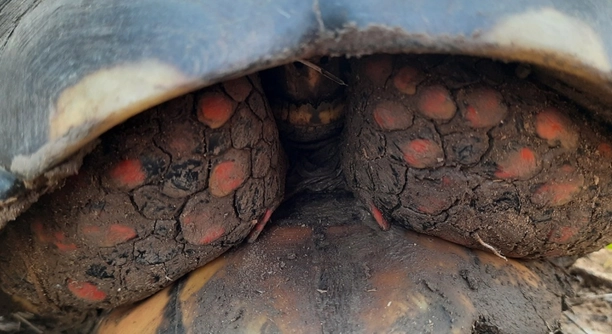
Red-footed tortoises are wonderful pets, but like any animal, they can suffer from parasites. Understanding these common pests is important for keeping your tortoise healthy and happy. In this article, we’ll explore the most common parasites.
Red-footed tortoises are susceptible to several common parasites, including nematodes, ticks, mites, protozoa, and others. These parasites can cause various health issues, from digestive problems to skin irritation. Preventing these issues requires proper care and regular health checks.
Knowing the most common parasites and how to prevent them will help you keep your red-footed tortoise safe. With a few easy steps, you can ensure your tortoise stays healthy and parasite-free for years to come.
Nematodes: A Common Digestive Issue
Nematodes are one of the most common parasites that affect red-footed tortoises. These roundworms can live in your tortoise’s intestines and cause a variety of symptoms, including weight loss, lethargy, and diarrhea. Nematode infestations are often due to contaminated food, water, or environment. If left untreated, they can lead to severe malnutrition and even death in some cases.
To avoid nematode infections, it’s essential to provide clean water and food, along with a proper environment. Keeping your tortoise’s enclosure free from excess moisture and cleaning it regularly can reduce the risk of contamination. Regular vet checkups are crucial to spot potential problems early.
If your tortoise is showing signs of nematode infection, a vet can perform a fecal exam to confirm the presence of these parasites. Treatment typically involves medication to eliminate the worms and prevent future infestations. In some cases, dietary adjustments might be recommended to support recovery. Regular deworming is an excellent preventive measure for keeping your tortoise’s digestive system healthy.
Mites: Tiny Pests with Big Impact
Mites are tiny parasites that often infest the skin of red-footed tortoises. They can cause itching, irritation, and even scabbing, especially around the neck, legs, and shell.
Mite infestations usually occur when tortoises come into contact with other infected reptiles or unclean environments. Keeping your tortoise in a clean, separate area and avoiding contact with other animals is the best way to prevent mites. If you spot any signs of mites, take action quickly. Treatment can involve special dips or topical medications from your vet.
Protozoa: A Threat to Your Tortoise’s Health
Protozoa are single-celled organisms that can cause infections in red-footed tortoises. These parasites often target the digestive system, leading to symptoms like diarrhea, bloating, and dehydration. Protozoa infections can sometimes be linked to poor hygiene or contaminated food and water.
Maintaining a clean enclosure and ensuring your tortoise has access to fresh, clean water are vital steps in preventing protozoa infections. Regularly disinfecting feeding areas and removing uneaten food can help reduce the risk. If you suspect a protozoa infection, a fecal test can help confirm the diagnosis. Treatment typically involves medication prescribed by a vet.
Protozoa can be tricky to manage since they are microscopic and may go unnoticed for some time. Regular checkups can help catch infections early before they cause severe health problems. If left untreated, protozoa infections can weaken your tortoise’s immune system, making them more susceptible to other health issues.
Ticks: External Parasites You Can See
Ticks are external parasites that attach to the skin of red-footed tortoises and feed on their blood. These pests can cause skin irritation, infection, and even transmit diseases. Ticks are commonly found in areas with high vegetation, so it’s important to keep your tortoise’s environment tidy.
Ticks can be removed by gently pulling them off with tweezers, ensuring you don’t leave the mouthparts behind. It’s crucial to disinfect the bite area after removal to avoid infection. If ticks are a recurring issue, consider using tick-repelling treatments or keep your tortoise indoors during peak tick season.
Ticks can be prevented by regularly checking your tortoise for these pests, especially after outdoor excursions. Providing a well-maintained enclosure, free from long grasses and shrubs, also reduces the chances of tick infestations. Keep in mind that ticks are not only a nuisance but can also cause significant health problems if not managed properly.
Lungworms: Respiratory Infections
Lungworms are parasites that can infect the respiratory system of red-footed tortoises. These worms cause coughing, nasal discharge, and labored breathing. The infection often results from contaminated food or poor living conditions. Early detection is crucial to prevent long-term damage to the tortoise’s lungs.
If your tortoise shows respiratory distress, it’s important to take it to a vet immediately. The vet may conduct a physical exam and possibly perform imaging tests to assess the lungs. Treatment typically involves medication to eliminate the worms and ease symptoms. In severe cases, hospitalization may be necessary.
Flukes: Internal Worms That Affect Digestion
Flukes are parasitic flatworms that target the digestive system of red-footed tortoises. These parasites can cause inflammation, digestive issues, and even liver damage. Fluke infections are more common when tortoises are exposed to contaminated food or water sources.
Proper hygiene, including cleaning the enclosure and feeding areas, is key to preventing flukes. Offering your tortoise a balanced diet and fresh water can also help keep the digestive system in check. Regular vet visits will help catch these infections early.
FAQ
What are the signs of a parasite infection in a red-footed tortoise?
Common signs of a parasite infection include changes in eating habits, weight loss, lethargy, and abnormal stool. If your tortoise has skin lesions or shows signs of itching, it could be dealing with mites. Respiratory issues, such as coughing, nasal discharge, and labored breathing, may indicate lungworm infection. Diarrhea and bloating are often seen with protozoa or nematode infections. If you notice any of these symptoms, it’s important to take your tortoise to the vet for proper diagnosis and treatment.
How do red-footed tortoises get parasites?
Parasites are usually transmitted through contaminated food, water, or living environments. Tortoises can pick up parasites from infected animals or through exposure to unclean conditions. Dirty enclosures, poorly maintained water sources, and contact with other reptiles can increase the risk of infections. Providing a clean, dry habitat and offering fresh food and water regularly can help reduce the likelihood of parasitic infestations.
How can I prevent parasites in my red-footed tortoise?
Prevention starts with maintaining a clean and safe environment. Regularly clean your tortoise’s enclosure and remove any uneaten food. Ensure the water is changed daily and is free from contaminants. Quarantining new animals before introducing them to your tortoise can help prevent the spread of parasites. Regular vet checkups are also crucial for early detection of any potential issues. You can also invest in high-quality food and avoid feeding wild plants, which may contain parasites.
Can parasites affect the shell of a red-footed tortoise?
Yes, some parasites can affect the shell, particularly mites and certain types of fungal infections. Mites can cause irritation, leading to scabbing and shedding of the skin on the shell. Fungal infections, often caused by poor humidity or dirty conditions, can result in discoloration or softening of the shell. Keeping your tortoise’s habitat clean and providing proper humidity and temperature levels can help avoid these problems.
Are parasite treatments safe for red-footed tortoises?
Yes, most treatments prescribed by a vet for parasites are safe when used correctly. Medications for internal parasites like nematodes and protozoa are commonly administered orally or through injection. For external parasites like mites and ticks, topical treatments are usually recommended. Always follow the vet’s instructions carefully to ensure your tortoise’s safety during treatment.
How often should I check my tortoise for parasites?
It’s a good idea to check your tortoise for parasites every few months, especially if you notice any changes in behavior or health. Regular vet checkups can help catch any infections early. If your tortoise spends time outdoors or around other animals, it’s essential to be more vigilant. A fecal exam can be performed during vet visits to check for internal parasites.
Can my tortoise get parasites from other reptiles?
Yes, it’s possible for red-footed tortoises to contract parasites from other reptiles. If you have multiple reptiles in your care, it’s important to practice quarantine procedures when introducing new animals. Parasites like ticks and mites can be transferred through direct contact, while internal parasites may be spread through shared food or water sources. Keeping reptiles in separate enclosures can prevent cross-contamination.
What should I do if my tortoise has worms?
If you suspect your tortoise has worms, take it to the vet for a fecal test. The vet will analyze the stool and identify the type of worm affecting your tortoise. Treatment may include deworming medication, which is often administered orally or through injections. Follow the vet’s instructions closely to ensure proper treatment. Make sure to keep the tortoise’s environment clean to prevent reinfection.
Are red-footed tortoises at risk for parasites in captivity?
Yes, red-footed tortoises are at risk for parasites in captivity if their environment is not properly maintained. Contaminated food, water, and bedding can introduce parasites into their system. If tortoises are housed with other reptiles or animals, the risk of parasite transmission increases. Regular cleaning, monitoring of health, and proper quarantine practices can significantly reduce the risk of parasitic infestations.
Can parasites cause long-term health issues for my tortoise?
If left untreated, parasites can cause long-term health problems in red-footed tortoises. Chronic infestations can lead to malnutrition, weight loss, and weakened immune systems. In severe cases, untreated infections can damage organs such as the lungs, liver, or intestines. Ensuring timely treatment and maintaining a clean, healthy environment can prevent these long-term health consequences.
How can I support my tortoise’s recovery after parasite treatment?
After parasite treatment, it’s important to provide a stress-free environment for your tortoise to recover. Make sure the enclosure is clean and that it has access to fresh food and water. You might need to adjust its diet to include easily digestible foods to aid in recovery. Monitoring its health and behavior closely during the recovery period will help ensure it heals fully. Regular vet follow-ups may also be necessary to ensure the parasites are completely gone.
Can I prevent parasites naturally without using medications?
While natural prevention methods, such as keeping your tortoise’s habitat clean and providing a balanced diet, are helpful, parasites can sometimes still make their way into your tortoise’s system. Natural treatments are not always effective in completely eliminating parasites, especially if an infection is already present. Consulting with a vet for appropriate medications and preventive treatments is the most reliable method. However, maintaining a healthy environment and using natural methods like parasite-repelling plants may help reduce the risk of infestations.
How do I know if my tortoise has a mite infestation?
Signs of a mite infestation include visible lesions or scabs on your tortoise’s skin, especially around the neck, legs, and shell. Your tortoise may also display behaviors like rubbing or scratching its skin, and there may be a noticeable change in its activity levels. Mites are tiny and hard to spot, so it’s important to check your tortoise regularly for any signs of skin irritation or unusual behavior. If you suspect a mite infestation, a vet can confirm the diagnosis and recommend appropriate treatment.
Final Thoughts
Parasites are a common issue that red-footed tortoises face, but with the right care, they can be managed and prevented. Keeping your tortoise’s environment clean is one of the most effective ways to prevent parasites. Regularly cleaning the enclosure, changing the water, and removing uneaten food will help reduce the risk of contamination. A proper diet, access to fresh water, and regular vet checkups also play important roles in keeping your tortoise healthy and parasite-free.
If your tortoise shows signs of a parasite infection, it’s essential to act quickly. Common symptoms include weight loss, lethargy, changes in appetite, and unusual behaviors. If you notice any of these signs, take your tortoise to the vet for an accurate diagnosis and treatment plan. Early treatment will help avoid serious health issues. A veterinarian can recommend the right medications or other treatments, depending on the type of parasite. Regular fecal exams and health checks are also important for catching any issues early.
Preventing parasites is about maintaining good hygiene and providing a safe, clean habitat. While it’s normal for tortoises to occasionally encounter some parasites, they can live healthy lives with the right care. Being proactive about their environment, diet, and health will help ensure they remain strong and happy. Regular monitoring and veterinary care can keep your red-footed tortoise free from parasites and reduce the risk of serious health problems.

Hello,
If you enjoy the content that we create, please consider saying a "Thank You!" by leaving a tip.
Every little bit helps us continue crafting quality advice that supports the health, happiness, and well-being of pets around the world, for pets of all shapes, sizes, and species.
We really appreciate the kindness and support that you show us!