
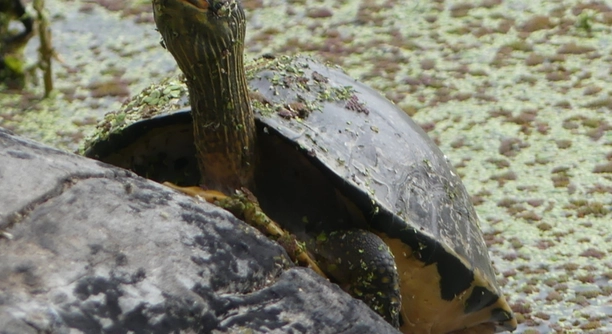
Indian Roofed Tortoises, like all reptiles, can be prone to parasitic infections. These parasites can cause harm if not addressed, so understanding the risks is key to their care and well-being.
Common parasites found in Indian Roofed Tortoises include ticks, mites, internal worms, and protozoa. Prevention involves maintaining proper hygiene, regular health checks, and providing a clean, safe environment to minimize the risk of these infestations.
Taking preventive measures can make a significant difference in the health of your tortoise. Understanding the types of parasites and how they affect your pet can help you take the necessary steps to ensure its well-being.
Types of Parasites in Indian Roofed Tortoises
Parasites can be a common problem for Indian Roofed Tortoises, causing health issues ranging from minor irritations to more severe conditions. Ticks and mites are some of the most frequent external parasites, causing skin irritation and discomfort. Internal parasites, such as worms and protozoa, can lead to digestive problems and weight loss if left untreated.
Ticks are particularly troubling, attaching themselves to the tortoise’s skin, feeding on blood, and causing irritation. Mites, on the other hand, can cause itching, leading to excessive scratching and potential skin damage. Protozoan infections can cause gastrointestinal distress, often leading to diarrhea and loss of appetite. Internal worms, especially roundworms and tapeworms, can infect the digestive system, resulting in poor nutrition absorption and weakening the tortoise’s health.
Proper identification of these parasites is essential for treating and preventing future outbreaks. Regular checks and keeping the environment clean can significantly reduce the risk of infection. Treatment typically involves the use of medications prescribed by a veterinarian, along with thorough cleaning of the habitat.
How Parasites Affect Health
Parasites can weaken your tortoise’s immune system, making it more vulnerable to infections. They can also affect its overall growth and development.
When parasites are not addressed quickly, they can lead to long-term health problems. For instance, internal parasites may block the intestines, preventing the tortoise from absorbing necessary nutrients. This can result in stunted growth, reduced activity, and even death in severe cases. Parasites can also affect the skin, causing sores and discomfort. If left untreated, skin infections may develop, leading to further complications.
Regular check-ups and monitoring of their environment are essential to avoid these issues. Understanding the signs of parasitic infections, like changes in appetite or abnormal behavior, will help in taking the necessary actions promptly. Addressing parasitic issues at the first sign can ensure a healthier life for your Indian Roofed Tortoise.
How to Prevent Parasites
Maintaining a clean and safe habitat is key to preventing parasites. Regular cleaning of the tortoise’s enclosure and providing proper food can help keep your tortoise free from harmful parasites.
The best way to protect your tortoise from parasites is to create an environment that is not conducive to their survival. This means cleaning the enclosure frequently, removing uneaten food, and ensuring proper humidity and temperature levels. You should also wash your hands before and after handling your tortoise to avoid transferring parasites.
In addition to environmental cleanliness, a healthy diet supports your tortoise’s immune system. Providing a balanced diet rich in fiber, vitamins, and minerals helps it stay strong against any potential infections. Regular veterinary visits will also ensure that your tortoise is free of parasites and any underlying health issues. If parasites are found, a veterinarian can recommend the appropriate treatment to address the issue quickly and effectively.
Identifying Parasites Early
Spotting parasites early on can make a huge difference in your tortoise’s health. Regularly checking your tortoise for signs of discomfort or changes in behavior is important.
External parasites like ticks and mites are often visible on the skin or shells. You might notice your tortoise scratching excessively or rubbing against objects. Internal parasites are trickier to detect, but symptoms like weight loss, lethargy, or changes in appetite could signal an issue. If you notice these signs, a vet checkup is necessary.
Early identification helps in quicker treatment. If your tortoise is infested with parasites, acting fast reduces the chances of serious health issues. Always keep an eye out for these signs and make sure your tortoise gets the care it needs.
The Role of Hygiene in Prevention
Hygiene plays a massive role in preventing parasites. A clean enclosure reduces the chance of your tortoise being exposed to harmful organisms.
Changing bedding regularly, removing leftover food, and sanitizing surfaces will keep parasites from taking root. Make sure your tortoise’s water bowl is changed daily, and that the enclosure has good ventilation. Cleaning toys and hiding spots also minimizes parasite exposure. Taking these simple steps ensures a healthier living environment and lowers the risk of infestations.
Your tortoise’s health starts with its surroundings. A thorough cleaning routine goes a long way in keeping parasites at bay, preventing the need for treatment and helping your tortoise live its best life.
Regular Veterinary Checkups
Taking your tortoise for regular checkups helps spot parasites before they cause serious harm. Routine vet visits ensure your pet is healthy and any potential issues are addressed quickly.
A vet can perform fecal tests to detect internal parasites that may not be immediately visible. This is crucial, as parasites like worms can affect your tortoise’s digestion and overall health. Regular visits also help monitor growth and behavior, which can indicate early signs of parasitic infections.
It’s always better to be proactive with your tortoise’s health. Preventing issues before they become severe keeps your tortoise happy and healthy.
Choosing the Right Bedding
Choosing the right bedding is important in keeping parasites at bay. Opt for bedding that’s easy to clean and replace.
Avoid using materials like sand or soil that can harbor parasites. Instead, consider bedding options like coconut fiber or paper-based products. These are safer and easier to manage, reducing the likelihood of infestations. Keeping the bedding dry and clean ensures a healthier living space for your tortoise.
Diet’s Impact on Parasites
A balanced diet is essential for your tortoise’s health and immune system. Feeding your tortoise nutrient-rich foods strengthens its ability to fight off potential parasites.
Providing fresh vegetables, fruits, and high-quality commercial tortoise pellets supports its overall well-being. A proper diet not only boosts immunity but also prevents digestive issues that parasites may cause. Keeping your tortoise hydrated with clean, fresh water aids in digestion and helps flush out any harmful organisms. Consistency is key in ensuring a long, healthy life free from parasites.
FAQ
How can I tell if my tortoise has mites or ticks?
Mites and ticks can be spotted on the skin or shell of your tortoise. If you notice excessive scratching, rubbing against objects, or small black or red dots on the skin, it could be a sign of mites or ticks. Ticks tend to be larger and can be seen easily attached to the tortoise’s body. Mites are much smaller, often requiring close inspection, and can cause irritation, leading to abnormal behavior like excessive scratching. A vet visit is recommended for proper identification and treatment.
Are there any signs of internal parasites in my tortoise?
Internal parasites can be harder to detect, but some signs to look for include weight loss, diarrhea, lack of appetite, or a drop in energy. A healthy tortoise should be active, eating regularly, and maintaining a healthy weight. If these signs occur, it’s best to take your tortoise to the vet for a fecal examination. Internal parasites like worms can cause significant harm, so quick treatment is essential.
Can parasites affect my tortoise’s appetite?
Yes, parasites can cause a loss of appetite in tortoises. If your tortoise is infested with internal parasites, it may feel weak or uncomfortable, leading to a decrease in food intake. You might also notice other signs of digestive discomfort, such as bloating or diarrhea. If you see these symptoms, it’s a good idea to consult a vet to check for parasites and provide appropriate treatment.
How often should I clean my tortoise’s enclosure?
It’s important to clean your tortoise’s enclosure at least once a week, but more frequent cleaning might be necessary if you notice any signs of parasites. Remove any uneaten food, spot clean waste daily, and sanitize the enclosure regularly to prevent the buildup of harmful bacteria and parasites. Changing the bedding frequently also helps reduce the risk of parasitic infections.
What type of food can help prevent parasites in my tortoise?
Feeding your tortoise a well-balanced diet with plenty of fresh vegetables, fruits, and quality tortoise pellets helps strengthen its immune system, making it more resistant to parasites. Foods rich in fiber, such as leafy greens, can aid digestion and prevent gastrointestinal problems that parasites may cause. Avoid feeding your tortoise too many fruits or sugary treats, as they can negatively impact digestion and lead to other health issues. A healthy diet promotes overall well-being and helps in parasite prevention.
Can I use over-the-counter treatments for parasites?
While over-the-counter treatments may work for some minor issues, it’s always best to consult a vet for proper diagnosis and treatment. Your vet can recommend the right medication for the specific type of parasite affecting your tortoise. Overuse of some treatments can lead to complications or ineffective results, so professional guidance is essential.
Can parasites be passed from one tortoise to another?
Yes, parasites can be passed from one tortoise to another, especially if they share the same enclosure. Internal parasites like worms can spread through contaminated food, water, or bedding, while external parasites like mites and ticks can move between tortoises when they come into contact. To avoid cross-contamination, keep different tortoises in separate enclosures and maintain a high level of hygiene in their living spaces. Regular health checks will also help detect any issues early.
Is it safe for my tortoise to share its space with other pets?
It’s generally not advisable for your tortoise to share its space with other pets unless you are certain they are parasite-free. Other animals, such as dogs or cats, can bring in parasites or bacteria that might harm your tortoise. Even if your tortoise and another pet are not in direct contact, parasites can still spread through shared areas, especially if cleanliness isn’t maintained. Keeping the tortoise’s enclosure separate from other pets is the safest approach.
How can I reduce the risk of parasites in my tortoise’s habitat?
To reduce the risk of parasites, make sure to clean your tortoise’s habitat regularly, remove any uneaten food, and ensure the environment is dry and well-ventilated. Avoid over-crowding the enclosure, as too many animals can increase the chances of parasite transmission. Also, inspect your tortoise frequently for signs of pests or skin irritation. Using non-toxic cleaning agents and maintaining the proper temperature and humidity levels will make the habitat less inviting for parasites.
Can a tortoise recover from a severe parasite infestation?
Yes, most tortoises can recover from a severe parasite infestation with proper treatment. If parasites are caught early and the right medication is administered, your tortoise should begin to show improvement. However, the recovery process can take time, and additional care will be needed to help restore its health. Make sure to follow your vet’s instructions and monitor your tortoise’s progress closely. Ensuring the tortoise has a clean, stress-free environment is crucial for a successful recovery.
Final Thoughts
Parasites are a common issue for Indian Roofed Tortoises, but with proper care and attention, they can be managed effectively. Keeping an eye out for signs of parasites, such as changes in behavior, appetite, or skin condition, is essential for preventing serious health issues. Regular health checks, good hygiene, and a balanced diet are the foundations of parasite prevention. A healthy tortoise will be more resilient to infections, and spotting parasites early helps ensure they don’t cause lasting harm.
Regular cleaning of your tortoise’s enclosure plays a major role in keeping parasites at bay. Removing uneaten food, changing the bedding frequently, and sanitizing surfaces will reduce the chances of parasites thriving in its environment. Ensuring your tortoise’s habitat is dry, clean, and properly ventilated also discourages pests. Additionally, making sure your tortoise’s food is fresh and properly prepared helps prevent any contamination that could lead to parasitic infections. By maintaining a clean living space and feeding your tortoise nutritious food, you create an environment where parasites are less likely to thrive.
In conclusion, prevention is always better than dealing with a full infestation. Parasites can be harmful, but with the right approach, they don’t have to be a major issue for your tortoise. If you notice any signs of parasites or other health concerns, seeking help from a veterinarian early can make a huge difference. By taking simple steps like maintaining hygiene, providing a good diet, and scheduling regular vet checkups, you can keep your tortoise healthy and free from parasites. The more proactive you are in their care, the easier it will be to avoid health problems in the future.

Hello,
If you enjoy the content that we create, please consider saying a "Thank You!" by leaving a tip.
Every little bit helps us continue crafting quality advice that supports the health, happiness, and well-being of pets around the world, for pets of all shapes, sizes, and species.
We really appreciate the kindness and support that you show us!