
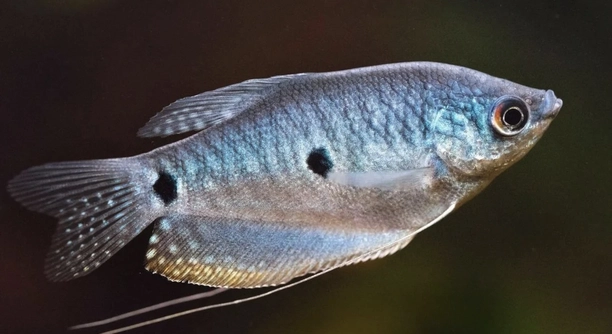
Gouramis are popular freshwater fish often kept in home aquariums. They are peaceful but sometimes tricky when paired with other fish. Many hobbyists face challenges in creating a balanced tank environment with them.
Pairing gouramis incorrectly can lead to stress, aggression, and health problems for both gouramis and their tank mates. Understanding common mistakes helps maintain harmony and promotes the well-being of all fish in the aquarium.
Learning about these pairing errors will help you create a better, healthier environment for your gouramis and their companions. Proper knowledge makes all the difference in tank success.
Overcrowding the Tank
Overcrowding is a common mistake when keeping gouramis with other fish. Many people want a lively tank filled with colors and activity but forget that gouramis need space to thrive. Too many fish can lead to poor water quality, increased waste, and stress. Gouramis are territorial by nature, especially males, and when crowded, they may become aggressive or hide too much. This can affect their health and behavior. Maintaining the right fish-to-water ratio is essential. A spacious tank with fewer fish allows gouramis to swim freely and reduces conflict among tank mates. Regular monitoring of water parameters and tank cleanliness also helps keep the environment safe and comfortable for all fish.
Overcrowding can cause aggressive behavior and stress in gouramis. Giving them enough space improves their health and social interactions.
Keeping the tank less crowded is a simple way to improve your gouramis’ quality of life. It helps prevent fights and allows each fish to have its own territory. With enough space, gouramis will show their natural colors and behaviors, making your aquarium a more peaceful place.
Mixing Incompatible Species
Choosing the right tank mates for gouramis is critical. Gouramis tend to be peaceful but can become aggressive if kept with overly territorial or fin-nipping fish. Avoid pairing them with very active or aggressive species like some barbs or cichlids. These can stress gouramis and cause injury. Instead, opt for calm, slow-moving fish that won’t provoke conflicts. Also, avoid keeping different gourami species together unless the tank is very large. Males especially can fight for dominance, leading to injuries. Knowing the temperament and size of all fish before combining them helps create a balanced environment. Compatibility ensures less stress and a healthier tank overall, making your gouramis happier and less prone to illness.
Ignoring Water Conditions
Gouramis need stable water conditions to stay healthy. Sudden changes in temperature or pH can stress them and make disease more likely. Regular water testing is essential to avoid problems.
Maintaining proper water parameters is key when keeping gouramis with other fish. Gouramis prefer slightly acidic to neutral water with temperatures between 74-82°F (23-28°C). If tank mates require very different conditions, conflicts in care arise, making it hard to keep all fish healthy. Frequent water changes, good filtration, and monitoring prevent toxic buildup that harms gouramis. Ignoring these needs can lead to illness and aggression.
Keeping water clean and stable benefits all fish in the tank. It supports gouramis’ immune systems and reduces stress. This creates a peaceful environment where gouramis and their companions can thrive together.
Overfeeding and Diet Conflicts
Overfeeding can cause water quality issues that affect gouramis and their tank mates. Leftover food decays, raising ammonia and nitrate levels. Feeding small amounts and removing uneaten food helps keep the tank clean.
Different fish species have different dietary needs. Gouramis are omnivores and benefit from a mix of flakes, pellets, and live or frozen foods. If their tank mates have very different diets, competition and nutritional imbalances can occur. For example, fast-eating fish may outcompete gouramis for food, leaving them underfed. Providing a variety of foods and feeding in separate areas can reduce conflicts and ensure everyone gets proper nutrition. Balancing diet and feeding routines helps gouramis maintain their health and vibrant colors.
Lack of Hiding Places
Gouramis need places to hide to feel secure. Without enough plants or decorations, they can become stressed or aggressive.
Providing hiding spots reduces stress and helps gouramis establish territories peacefully. This leads to a calmer tank environment where fish can coexist comfortably.
Overlooking Tank Size
Tank size plays a major role in successful gourami pairing. Smaller tanks limit space for movement and territory, increasing conflicts and stress.
A larger tank allows gouramis and their tank mates to spread out, reducing aggression and competition. It also supports better water quality, making it easier to maintain a healthy environment. Proper tank size helps gouramis live longer and display natural behaviors.
Neglecting Compatibility Levels
Not all gourami species get along well. Mixing aggressive and peaceful gouramis can cause fights, injuries, or death.
FAQ
What are the best tank mates for gouramis?
Peaceful, non-aggressive fish that thrive in similar water conditions make the best companions for gouramis. Ideal tank mates include species like tetras, rasboras, corydoras catfish, and some peaceful loaches. Avoid overly active or aggressive fish, as they can stress gouramis and cause conflicts. Always consider the size and temperament of each fish before pairing them to ensure a calm community tank.
How can I tell if my gourami is stressed?
Signs of stress in gouramis include hiding more than usual, loss of color, rapid breathing, and decreased appetite. Aggressive behavior toward tank mates or excessive fin clamping can also indicate stress. Stress often results from poor water quality, overcrowding, or incompatible tank mates. Monitoring their behavior regularly helps catch stress early and take corrective action.
How often should I test my aquarium water?
Testing water weekly is a good routine for gourami tanks. This helps you catch fluctuations in ammonia, nitrite, nitrate, pH, and temperature before they become harmful. If your tank is newly set up or showing signs of illness, more frequent testing may be necessary. Keeping parameters stable is crucial to avoid stress and disease.
Can gouramis live with shrimp or snails?
Many gourami species can live peacefully with snails and some larger shrimp species. However, smaller shrimp might be seen as food by gouramis, especially when hungry. Snails generally pose no threat and can help with tank cleanliness. Always observe interactions carefully when introducing new invertebrates.
How do I prevent aggression between gouramis?
To reduce aggression, avoid overcrowding and provide plenty of hiding places. Keep only one male gourami per tank or provide a large enough tank to give each male space. Choose peaceful tank mates that don’t provoke competition. Regular water changes and good diet also reduce stress-related aggression.
Is it necessary to quarantine new fish before adding them to a gourami tank?
Yes, quarantining new fish is a smart step. It helps prevent the introduction of diseases or parasites that could harm your gouramis and other tank mates. A quarantine period of two weeks in a separate tank is recommended. This practice protects your entire aquarium community and supports overall health.
What should I feed my gouramis?
Gouramis thrive on a varied diet that includes high-quality flakes or pellets designed for tropical fish, supplemented with live or frozen foods like bloodworms, brine shrimp, or daphnia. Providing a balanced diet ensures they get all necessary nutrients to stay healthy and vibrant.
How big should my aquarium be for gouramis?
A minimum of 20 gallons is recommended for one gourami, with additional space needed for tank mates. Larger tanks help reduce territorial disputes and maintain stable water conditions. Bigger tanks also allow more room for decorations and hiding spots, which gouramis appreciate.
Can gouramis tolerate a wide range of water pH?
Gouramis generally prefer a pH range between 6.0 and 7.5. While they can tolerate slight fluctuations, sudden or extreme changes can cause stress or illness. Keeping pH stable within this range supports their health and reduces the risk of disease.
What are signs of illness in gouramis?
Common signs include white spots, torn fins, swelling, lethargy, and loss of appetite. Rapid breathing or gasping at the surface can also signal problems. Early detection and treatment improve recovery chances. Maintaining good water quality and proper diet helps prevent most illnesses.
How often should I clean my gourami tank?
Perform partial water changes of about 20-25% weekly to keep water quality high. Clean the substrate and decorations as needed, but avoid over-cleaning which can disrupt beneficial bacteria. Regular maintenance supports healthy fish and a stable aquarium environment.
Can I keep different gourami species together?
It’s generally best to avoid mixing different gourami species in small tanks because males can be territorial and aggressive toward each other. In very large tanks with ample hiding places, some species may coexist peacefully. Knowing the temperament of each species is important before combining them.
Final thoughts on pairing gouramis with other fish focus on creating a healthy and peaceful aquarium environment. Gouramis are beautiful and interesting fish, but they require proper care and attention when choosing their tank mates. Making common mistakes like overcrowding, ignoring water conditions, or mixing incompatible species can lead to stress and illness for your fish. Taking the time to plan the tank setup carefully helps avoid many of these problems. Ensuring enough space, proper water quality, and compatible companions makes a big difference in how well gouramis live and behave.
It is important to remember that gouramis, like all fish, have specific needs. They are sensitive to changes in their environment, and poor conditions can quickly affect their health. Providing hiding places and maintaining stable water parameters creates a comfortable habitat for them. Overfeeding and poor diet choices not only harm gouramis but also cause water quality issues that affect the entire tank. Being mindful of feeding routines and choosing the right food supports their well-being and keeps the tank clean. Observing your gouramis regularly for signs of stress or illness helps you catch problems early and take action.
Overall, keeping gouramis with other fish is very possible when done thoughtfully. It requires patience, learning about each species’ behavior, and maintaining good tank care. When done right, gouramis add color and calm to a community tank. Avoiding common pairing mistakes improves their health and happiness. With proper space, compatible tank mates, and good water conditions, your gouramis will thrive. Taking these steps makes aquarium keeping a rewarding and enjoyable experience.

Hello,
If you enjoy the content that we create, please consider saying a "Thank You!" by leaving a tip.
Every little bit helps us continue crafting quality advice that supports the health, happiness, and well-being of pets around the world, for pets of all shapes, sizes, and species.
We really appreciate the kindness and support that you show us!