
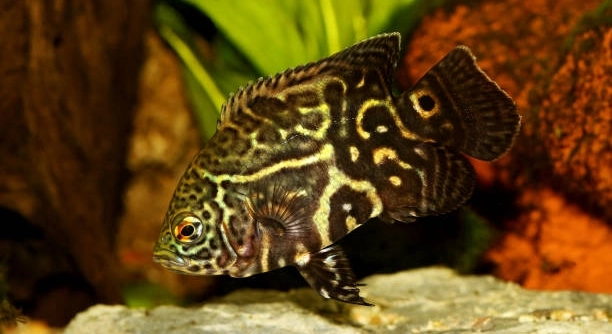
Oscar fish are known for their vibrant colors and curious nature, making them popular pets for many aquariums. However, feeding them correctly can sometimes be tricky. Understanding their specific needs will help ensure they stay healthy and thrive in your tank.
Feeding Oscar fish improperly can lead to health problems such as obesity, poor water quality, and shortened lifespans. Mistakes like overfeeding, not offering a balanced diet, and providing inappropriate food can all negatively impact their well-being.
Avoiding these mistakes can help keep your Oscar fish in the best condition. With a few simple adjustments to their diet, you can prevent common feeding issues and promote their health for years to come.
Overfeeding Oscar Fish
Overfeeding is one of the most common mistakes when it comes to Oscar fish. It may seem harmless to give them extra food because they seem hungry, but it can cause serious health problems. Oscar fish have a tendency to eat more than they need, which can lead to obesity. This not only impacts their physical condition but also the water quality in your tank. Leftover food decomposes, increasing the waste levels, which can affect both the fish and the overall aquarium environment.
Oscar fish are known to eat larger portions than most fish. However, it’s essential to feed them just enough, so no food is left uneaten. A good practice is to offer only what they can consume in 2-3 minutes. If the food starts to float for longer than that, it should be removed promptly to avoid contamination.
Controlling the portion size helps maintain a healthy balance. Overfeeding can also lead to other issues such as swim bladder problems, where the fish may have difficulty floating or swimming. Keep portions in check to avoid these preventable problems.
Not Providing a Balanced Diet
Oscar fish require a varied diet to thrive. They are omnivores, meaning they need both protein and plant matter. Feeding them only one type of food, such as pellets or live fish, can lead to nutritional deficiencies. A lack of variety in their diet can cause problems like stunted growth, poor coloration, and weakened immune systems.
A balanced diet for an Oscar should include a combination of high-quality pellets, frozen or live foods, and vegetables. Offer a mix of protein-rich foods like shrimp, worms, and fish, as well as plant-based options such as spinach, peas, and zucchini. The variety ensures they get all the essential nutrients to stay healthy and active.
Varying their diet also keeps them engaged, as Oscars are curious feeders. It helps prevent boredom and gives them the mental stimulation they need. Simply feeding them the same thing every day can make mealtimes dull and lead to an undernourished fish. The right food mix supports their long-term health.
Feeding Inconsistent Amounts
Feeding your Oscar fish inconsistent amounts of food can disrupt their health and appetite. If you feed them too little, they may not get enough energy, and if you overfeed, it can lead to obesity and poor water quality.
Establishing a feeding schedule is essential. Oscars should be fed once or twice a day, with the portion size depending on their age and size. Younger Oscars may need smaller portions more frequently, while adults require larger portions less often. A steady routine helps regulate their eating habits and keeps their body in good condition.
Inconsistent feeding also impacts their digestion. If they’re given too much food at one time, their digestive system can’t handle it, leading to bloating or constipation. By sticking to a consistent feeding schedule, you can avoid these issues and ensure your Oscar gets the right amount of nutrients at the proper intervals.
Relying on Low-Quality Fish Food
Low-quality fish food might seem like a cheaper option, but it can do more harm than good for your Oscar fish. These foods often lack essential nutrients and contain fillers that don’t support healthy growth or long-term vitality.
Poor-quality pellets or flakes can lead to a range of health issues. They may cause malnutrition, poor coloration, or even digestive problems. The ingredients used in cheap foods are often not as nutritious, and the lack of proper protein and vitamins leaves Oscars with an unbalanced diet.
Choosing high-quality food made with real fish, shrimp, or other protein sources ensures they get all the nutrients they need. Read labels carefully and avoid foods with excessive fillers like wheat or corn. By investing in better food, you’ll notice a significant improvement in your Oscar’s health and appearance.
Not Offering Enough Variety
Oscar fish need variety in their diet to stay healthy. Relying on just one type of food can lead to nutritional imbalances. Variety keeps them engaged and helps meet their dietary needs.
Adding different food types like pellets, live foods, and vegetables ensures they get all the necessary nutrients. It also prevents feeding boredom and makes meals more exciting for your Oscar.
Not Adjusting Food Size to Fish’s Growth
As your Oscar grows, you need to adjust the size of the food you offer. Feeding small fish larger food can lead to difficulty eating or choking, while small food for larger Oscars doesn’t provide the nutrition they need.
Adjusting the size of their food ensures they get the proper nutrients while making it easier for them to consume. This is crucial for both their health and growth, allowing them to maintain energy levels. Providing appropriate-sized food will prevent digestion problems and improve feeding efficiency.
FAQ
How often should I feed my Oscar fish?
Oscar fish should be fed once or twice a day, depending on their size and age. Young Oscars typically need more frequent feeding with smaller portions, while adult Oscars can be fed larger meals less often. The key is consistency—feeding at the same times each day helps establish a routine. Overfeeding should be avoided, as it can lead to health issues and poor water quality.
What should I feed my Oscar fish?
Oscar fish are omnivores, which means they need both animal-based and plant-based foods. High-quality pellets designed for carnivorous fish can form the base of their diet. You should also include live or frozen foods like shrimp, worms, and small fish. In addition, feed them vegetables like peas, spinach, or zucchini to ensure they get the right mix of nutrients. Providing variety will keep them healthy and engaged.
Can I feed my Oscar live fish?
Yes, Oscar fish can eat live fish, and they enjoy it. However, it’s important to consider the health risks involved. Live fish may carry diseases or parasites, so you should ensure they are healthy before feeding them to your Oscar. Avoid feeding them fish that are too large or difficult to swallow. You can also offer live foods like worms or shrimp, which are safer options.
How do I prevent overfeeding my Oscar?
Overfeeding is a common mistake when caring for Oscar fish. To avoid it, feed them only what they can consume in 2-3 minutes. If any food remains after that time, remove it to prevent water contamination. Using a feeding schedule and measuring the amount of food you provide can help prevent overfeeding. It’s also important to resist the urge to feed them extra food when they seem hungry.
How can I improve the water quality after overfeeding?
If you overfeed your Oscar fish and notice leftover food decomposing in the water, it’s important to act quickly to maintain a healthy tank environment. Start by removing any uneaten food right away. Consider doing a partial water change, typically 25-30%, to improve water quality. Test the water regularly for ammonia, nitrate, and nitrite levels, and adjust your filtration system if necessary to handle the increased waste. This will help keep your fish safe and the water clear.
Can I feed my Oscar fish only pellets?
While pellets are an easy and nutritious option for Oscar fish, feeding them only pellets isn’t ideal. A varied diet is crucial for providing all the nutrients they need. Pellets can be part of the diet, but they should be complemented with frozen or live food and vegetables. This variety helps prevent nutritional deficiencies and promotes overall health.
How do I know if my Oscar is not eating enough?
If your Oscar fish isn’t eating enough, it might show signs of weakness, such as a decrease in activity, weight loss, or visible skin issues. If your fish is lethargic and not eating, it could be due to water quality problems, illness, or stress. Make sure the water parameters are in check, and try offering a variety of foods to encourage eating. If the problem persists, consult with an aquarium professional.
Is it okay to feed my Oscar fish once a week?
Feeding your Oscar fish once a week is not recommended. Oscars are active, large fish that require daily feeding to maintain their energy levels and health. Skipping meals can cause them to become malnourished or stressed. It’s best to stick to a regular feeding schedule and provide them with small, consistent meals throughout the week.
Can Oscar fish eat vegetables?
Yes, Oscar fish can eat vegetables, and they should be included in their diet for a balanced meal. Vegetables like peas, spinach, zucchini, and lettuce are good choices. These provide essential vitamins and fiber that are important for digestion. Offering vegetables also helps break up the monotony of protein-heavy foods, keeping your Oscar engaged and healthy. Make sure to blanch the vegetables to soften them for easier consumption.
Should I fast my Oscar fish occasionally?
Fasting an Oscar fish is not typically necessary unless there is a specific health issue or water quality problem. Some aquarium owners choose to fast their fish for a day or two each week to mimic natural feeding patterns and give their digestive system a break. However, this should be done cautiously and not too often, as Oscars need regular meals to stay healthy. Fasting should only be done when needed, not as a routine practice.
How do I feed my Oscar fish during tank cleaning?
If you need to clean the tank or perform a water change, it’s best to feed your Oscar before or after the cleaning. Feeding during the cleaning process can cause uneaten food to pollute the water while the tank is being disturbed. Ensure the tank is back to its normal state, with clean water and appropriate temperature, before feeding your fish. This ensures they enjoy a healthy and clean feeding environment.
Can I feed my Oscar too much live food?
While live food is beneficial for Oscar fish, it should be fed in moderation. Live foods like worms and shrimp can be very rich and high in fat, so overfeeding them could lead to obesity or digestive problems. Offering a variety of live food along with other types of food ensures a balanced diet and prevents overindulgence.
Final Thoughts
Feeding Oscar fish properly is key to keeping them healthy and vibrant. These fish are not only beautiful but also very active, requiring the right balance of food to stay strong. By avoiding common feeding mistakes like overfeeding or offering low-quality food, you can ensure that your Oscar thrives. A varied diet, consisting of pellets, live foods, and vegetables, is essential for meeting all their nutritional needs. It’s important to remember that Oscar fish are omnivores, and providing them with a mixture of protein and plant matter will help support their overall health.
Consistency plays a significant role in Oscar fish care. Establishing a feeding routine helps regulate their eating habits and prevents issues such as obesity or water contamination from leftover food. The key is to offer portions that your fish can finish within a few minutes and to remove any uneaten food right away. Overfeeding is a common mistake, but with some attention to portion control, it’s easy to avoid. By keeping your Oscar on a regular feeding schedule and adjusting food portions as they grow, you’ll be able to keep their weight and health in check.
Lastly, maintaining the right water quality and ensuring a clean tank environment is just as important as feeding. Poor water conditions can lead to health problems in your fish, affecting their appetite and overall well-being. Regular tank maintenance and water changes are crucial to remove any waste and maintain a healthy habitat for your Oscar. With the right balance of food, a proper feeding routine, and good tank care, your Oscar will enjoy a long and healthy life.

Hello,
If you enjoy the content that we create, please consider saying a "Thank You!" by leaving a tip.
Every little bit helps us continue crafting quality advice that supports the health, happiness, and well-being of pets around the world, for pets of all shapes, sizes, and species.
We really appreciate the kindness and support that you show us!