
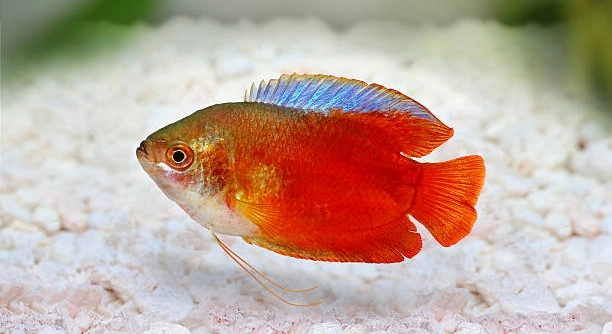
Gouramis are gentle and curious fish that often interact with objects in their environment. Observing these behaviors can reveal their preferences and habits, helping aquarists create a more engaging and comfortable habitat for their pets.
Gouramis commonly interact with items such as floating plants, smooth rocks, decorative caves, artificial leaves, mirrors, feeding rings, and driftwood. These objects provide stimulation, shelter, and play opportunities, promoting mental engagement and natural behaviors within their aquatic environment.
Knowing which objects attract your gouramis can enhance their well-being and enrich their tank environment, supporting a healthy and active lifestyle in captivity.
Floating Plants
Floating plants are a favorite for many gouramis. They provide cover and a sense of security, allowing fish to rest underneath without feeling exposed. These plants also help reduce light intensity and mimic natural habitats, which can lower stress levels. Gouramis often explore the roots and leaves, nibbling occasionally or weaving through them. Floating plants encourage natural behaviors such as foraging and resting in shaded areas. Some species may even build bubble nests near these plants during breeding, making them an important feature in a tank. Popular choices include duckweed, water lettuce, and frogbit, all of which are easy to maintain. Beyond aesthetics, floating plants also help improve water quality by absorbing excess nutrients and providing oxygen. When introducing them, ensure they do not cover the surface completely, allowing enough room for gouramis to swim freely. Proper placement and regular trimming can maintain a balanced environment and keep the fish engaged.
Floating plants enhance both safety and activity, supporting gouramis’ natural instincts while enriching their habitat effectively.
For optimal interaction, place floating plants in areas that allow swimming space and partial shade. Observing your gouramis under these plants can reveal unique behaviors and preferences that strengthen their comfort in the tank. Regular care keeps the plants healthy and the fish active, ensuring an engaging environment for all aquatic life.
Smooth Rocks
Smooth rocks offer texture and points of interest for gouramis in their tanks. They are safe for the fish, as their rounded edges prevent injury during exploration or play. Gouramis often rest on or hide behind these rocks, using them as temporary shelter. Rocks also help create natural-looking tank landscapes that mimic the fish’s native habitats. Placing rocks of varying sizes can encourage curiosity and swimming activity, while also providing surfaces for algae growth, which some gouramis may nibble on. Smooth rocks are low-maintenance and durable, requiring only periodic rinsing during tank cleaning. They do not alter water chemistry significantly, making them compatible with most freshwater setups. Careful arrangement ensures open swimming areas while offering hiding spots, balancing activity and security. Integrating rocks with other decorative items, like plants or driftwood, can create a richer environment, promoting exploration and reducing stress for gouramis.
Using smooth rocks thoughtfully can elevate tank design and provide a practical, engaging space for gouramis’ natural behaviors.
Rocks should be positioned to leave ample swimming space while offering shaded retreats. Combining them with plants or driftwood enhances visual interest and encourages the fish to interact naturally, creating a dynamic yet safe habitat.
Decorative Caves
Gouramis often hide and explore decorative caves. These structures provide security and resting spots, allowing fish to feel protected. They encourage natural behaviors, such as exploring and nesting, and reduce stress in a tank environment.
Decorative caves vary in size, shape, and material, giving gouramis multiple options to interact with. Some fish may claim a cave as their favorite resting place, returning to it frequently. Placing caves near plants or rocks can create small territories, which is especially useful in community tanks. Smooth surfaces prevent injury, and natural-looking designs blend seamlessly into the tank. Observing how your gouramis use these caves can indicate comfort levels and preferred hiding spots.
Regular cleaning is important to prevent algae or debris buildup inside the caves. Caves made of resin or ceramic are easy to maintain and durable over time. Combining multiple caves with other objects like rocks and floating plants creates a stimulating environment. This setup encourages exploration, play, and resting behaviors, promoting mental and physical well-being. Gouramis often feel calmer with reliable hiding spots, making caves an essential element in a balanced tank design.
Artificial Leaves
Artificial leaves provide resting and foraging opportunities while remaining low-maintenance. Gouramis enjoy perching near them or weaving through their surfaces for stimulation.
High-quality artificial leaves mimic natural textures, allowing fish to explore without risk of decay or water contamination. Leaves can be attached to decorations or placed freely, offering flexible tank arrangements. Gouramis use them to reduce stress, create shade, and sometimes to build bubble nests.
These leaves are durable and easy to clean, requiring only occasional rinsing. Arranging them alongside floating plants, rocks, or caves adds depth and interest to the tank. Gouramis may interact differently with each leaf, showing preferences for shape, size, or location. Observing these interactions helps identify suitable placements for maximum engagement. Artificial leaves also help break strong currents and provide resting points for more timid fish. A mix of materials and positions ensures an enriched environment that balances activity, security, and comfort for gouramis.
Mirrors
Gouramis are attracted to mirrors and often interact with their reflection. They may display territorial behavior or curiosity, swimming close and investigating movements.
Mirrors should be used sparingly. Prolonged exposure can stress the fish, so short, supervised sessions are ideal. They provide mental stimulation without adding physical objects to the tank.
Feeding Rings
Feeding rings help keep food contained and visible, encouraging gouramis to swim and forage actively. These rings prevent scattered food and reduce waste.
Placing the feeding ring at varying positions in the tank can promote movement and interaction. Gouramis often follow the food along the ring, which can support exercise and engagement. Observing their response to the ring also reveals feeding habits and preferences.
Driftwood
Driftwood offers surfaces for grazing and exploration while providing hiding spots. Gouramis often rest near or beneath it, using it as shelter and enrichment.
Driftwood naturally alters water chemistry slightly, which can benefit certain gourami species. It also adds texture and interest, making the tank environment more stimulating.
FAQ
How do I know which objects my gouramis prefer?
Observe your gouramis closely. Fish often return to specific spots, hide in certain caves, or interact repeatedly with floating plants or driftwood. Noting these behaviors over time can reveal their favorite objects and preferred locations within the tank.
Can too many objects stress gouramis?
Yes, overcrowding the tank can limit swimming space and cause stress. It’s important to balance objects with open areas, ensuring fish have room to move freely while still having hiding and resting spots. A thoughtful layout reduces conflict and supports natural behaviors.
Are mirrors safe for gouramis?
Short, occasional mirror sessions are generally safe. Mirrors stimulate curiosity and territorial instincts, but prolonged exposure can cause stress and fatigue. Use them sparingly and monitor behavior to ensure the fish remain calm and active.
How often should I clean decorations and objects?
Cleaning depends on algae growth and debris accumulation. Smooth rocks, driftwood, and artificial leaves should be rinsed regularly, while floating plants need trimming. Keeping objects clean prevents water quality issues and maintains a safe, engaging environment.
Do gouramis use objects for breeding?
Some gouramis build bubble nests near floating plants, leaves, or caves. Providing these objects encourages natural breeding behavior and gives fish secure areas to care for eggs and fry. Observing this interaction can indicate a healthy, comfortable habitat.
Are certain materials better for objects in a gourami tank?
Yes, non-toxic, smooth surfaces are best. Resin, ceramic, and untreated wood are safe and durable. Avoid sharp edges or chemically treated items, as they can injure fish or contaminate water, reducing both safety and comfort in the tank.
Can gouramis get bored without enough objects?
Yes, lack of stimulation can lead to lethargy or stress. Including diverse objects like rocks, caves, floating plants, and artificial leaves keeps them active, encourages natural behaviors, and supports mental well-being in a home aquarium.
Should I rotate objects to maintain interest?
Rotating objects occasionally can encourage exploration and reduce monotony. Moving rocks, repositioning caves, or introducing new leaves creates fresh areas to investigate, keeping gouramis mentally stimulated and physically active without overwhelming the tank.
Do gouramis interact differently with live versus artificial plants?
Gouramis may explore both types, but live plants offer foraging opportunities and slightly improve water quality. Artificial plants provide consistent structure and require less maintenance. Combining both types creates a balanced and engaging environment for the fish.
How can I tell if an object is causing stress?
Signs include hiding constantly, reduced swimming, or aggression. Remove or rearrange the object and monitor changes. Stress decreases once the tank layout is comfortable, giving gouramis space to swim freely while still offering hiding and resting areas.
What is the best way to arrange objects for multiple gouramis?
Provide multiple hiding spots and distribute objects evenly. Ensure open swimming areas to reduce territorial disputes. Vary the type and height of decorations to allow individual preferences, supporting both activity and security for all gouramis in the tank.
Do gouramis interact more during feeding times?
Yes, feeding encourages activity around objects like feeding rings or driftwood. Gouramis follow food, explore surfaces, and may display territorial behavior. Structured feeding routines combined with object placement enhance stimulation and promote healthy behaviors throughout the day.
Can gouramis damage decorations?
Gouramis are generally gentle and rarely damage objects. However, they may nibble on soft plants or move lightweight items. Using sturdy, properly secured objects ensures safety and durability while allowing the fish to interact naturally.
How many objects are ideal for a standard gourami tank?
There is no fixed number. A balanced setup includes a few floating plants, several rocks, one or two caves, and some leaves or driftwood. The key is maintaining open swimming space while providing stimulating features for exploration and resting.
Are certain objects more suitable for juvenile versus adult gouramis?
Juveniles benefit from smaller hiding spots and lightweight objects, allowing easy exploration. Adults require larger caves, broader plants, and more substantial driftwood to support resting, breeding, and territorial behaviors. Adjusting object size ensures both age groups remain engaged and comfortable.
Do gouramis interact more in community tanks or single-species tanks?
Interaction depends on space and territory. In community tanks, gouramis may share objects cautiously, while in single-species setups, they display more confident exploration and territorial behaviors. Providing sufficient hiding spots and swimming room supports healthy interaction in both settings.
How can I safely introduce new objects to the tank?
Rinse or soak new objects to remove dust or chemicals. Gradually place them in open areas, observing how gouramis react. Introductions should be spaced out to avoid overwhelming the fish, allowing them to explore and adapt comfortably to changes in their environment.
Do gouramis prefer vertical or horizontal spaces?
Both are important. Vertical surfaces like tall plants or caves provide shelter and resting areas, while horizontal surfaces like rocks or driftwood encourage swimming and foraging. A combination of vertical and horizontal objects supports natural exploration and balanced activity.
Can objects affect water quality?
Yes, organic materials like untreated wood or decomposing plants can alter pH or release tannins. Regular maintenance, careful selection, and monitoring water parameters prevent negative effects, ensuring the tank remains safe and comfortable for gouramis.
What is the simplest way to test if an object is safe?
Place the object in a separate container with water for 24 hours and monitor for cloudiness, odor, or chemical changes. If water remains stable, it is generally safe to introduce into the tank. This prevents stress or harm to the fish.
Do gouramis interact differently based on species?
Yes, behavioral patterns vary. Pearl gouramis may explore more slowly and rest frequently, while dwarf gouramis are more active and curious. Observing your specific species helps tailor object selection and placement for maximum comfort and engagement.
Can gouramis be trained to use specific objects?
While not trainable like mammals, gouramis can learn routines around feeding rings or familiar hiding spots. Consistent placement encourages regular interaction, supporting activity, foraging, and predictable behavior within the tank environment.
Are artificial leaves safer than live plants?
Artificial leaves are safer in terms of durability and water stability, as they do not decay. Live plants provide natural benefits like oxygenation and algae grazing opportunities. Combining both ensures safety, stimulation, and environmental enrichment for gouramis.
What should I avoid when selecting objects?
Avoid sharp edges, chemically treated items, or overly heavy objects that could injure fish or damage the tank. Lightweight items that float excessively or decompose quickly should also be avoided to maintain a safe, engaging environment for gouramis.
How do I know if my gouramis are enjoying an object?
Frequent interaction, resting near it, or exploring it repeatedly indicates interest. A lack of engagement may suggest it is unappealing or poorly placed. Adjusting location or type can increase interaction and overall satisfaction.
Can decorations encourage social behavior?
Yes, shared objects like feeding rings, large rocks, or caves can prompt peaceful interaction. Proper spacing reduces aggression while allowing gouramis to explore and display natural behaviors together, enhancing social engagement in a controlled environment.
How can I keep objects interesting over time?
Rotate, reposition, or introduce new items gradually. Change heights, shapes, or locations to maintain novelty. Small adjustments encourage exploration, prevent boredom, and sustain mental and physical activity in gouramis without overwhelming them.
Are gouramis territorial around objects?
Yes, some species may claim caves, plants, or driftwood as personal territory. Providing multiple options and open swimming space helps reduce conflict, ensuring fish can explore freely while maintaining security in their preferred spots.
Do gouramis interact differently with hard versus soft surfaces?
Hard surfaces like rocks or ceramic caves are explored and rested upon, while soft surfaces like plant leaves may be nibbled or used for gentle perching. A mix of textures encourages varied behaviors and natural interaction in the tank environment.
Can the placement of objects affect breeding?
Strategic placement near floating plants or sheltered areas can stimulate bubble nest building and encourage spawning. Providing secure, calm spots helps reduce stress and allows gouramis to perform natural reproductive behaviors effectively.
How often should I change the tank layout?
Major changes are not necessary frequently. Small adjustments every few weeks keep the environment stimulating without causing stress. Gradual changes allow gouramis to adapt while maintaining comfort and promoting exploration around familiar objects.
Do gouramis interact differently during day and night?
Yes, gouramis are more active during daylight, exploring objects, foraging, and swimming. At night, they rest near hiding spots or shaded areas. Observing these patterns helps place objects in ways that support both activity and rest.
Can objects help reduce aggression in community tanks?
Yes, multiple hiding spots, caves, and dispersed decorations allow fish to claim personal space. This reduces territorial disputes, stress, and aggressive behavior, making objects essential in maintaining harmony among gouramis.
Do gouramis prefer natural or artificial driftwood?
Natural driftwood releases tannins, slightly altering water chemistry and providing grazing surfaces. Artificial driftwood is stable, easier to clean, and safe. Both offer exploration opportunities, but natural wood may enhance environmental enrichment for gouramis.
How can I monitor interaction without disturbing gouramis?
Observe quietly from outside the tank or through a window without tapping or moving decorations. Consistent observation over time provides insight into preferences, activity levels, and comfort without stressing the fish.
Are there objects gouramis typically ignore?
Objects with sharp edges, unstable placement, or unfamiliar chemical smells are often avoided. Smooth, natural-looking, or interactive items are preferred, indicating that simplicity and safety matter most for their engagement.
Can objects improve overall tank health?
Yes, objects like plants and driftwood help balance the environment, provide shelter, and promote natural behaviors. Encouraging interaction reduces stress, supports activity, and indirectly contributes to better fish health and tank stability.
What is the simplest way to enrich a gourami tank?
Include a mix of floating plants, smooth rocks, caves, leaves, and driftwood. Monitor interactions, rotate items occasionally, and maintain cleanliness to create a stimulating, safe, and engaging environment that supports natural behaviors and well-being.
How do I balance open space with objects?
Distribute objects evenly while leaving swimming areas clear. Ensure hiding spots do not block movement and provide vertical and horizontal variety. This balance encourages exploration, reduces stress, and maintains an active and healthy tank environment for gouramis.
Can objects influence feeding behavior?
Yes, feeding rings, rocks, and leaves guide foraging activity. Gouramis may follow food along surfaces or rest near hiding spots to feel secure while eating. Structured placement enhances engagement, encourages movement, and supports natural feeding patterns.
Are there seasonal considerations for objects?
Seasonal changes in light or temperature can affect plant growth or algae accumulation. Monitoring these changes and adjusting object placement ensures consistent stimulation and a stable environment for gouramis throughout the year.
Do gouramis interact differently in planted versus bare tanks?
Planted tanks provide more hiding, resting, and exploration options, reducing stress and encouraging natural behaviors. Bare tanks limit stimulation, potentially leading to boredom or aggression. A mix of live plants, artificial leaves, and decorative items creates a richer, more engaging environment.
How important is observation in object selection?
Observation is critical. Watching how gouramis interact with each item helps determine favorites, preferred locations, and comfort levels. Adjusting objects based on behavior ensures a safe, engaging, and stimulating tank tailored to the fish’s needs.
Can objects affect water circulation and filtration?
Yes, large or dense items may alter flow patterns. Position objects to maintain proper circulation and allow access to filters, preventing stagnant areas and ensuring consistent water quality for gouramis.
Do gouramis interact more with objects when alone or in groups?
Interaction varies by species and individual personality. Some gouramis explore more when alone, while others may engage with objects alongside tank mates. Providing multiple options ensures all fish remain active and comfortable regardless of group dynamics.
How do I introduce multiple new objects at once?
Introduce them gradually over several days to prevent overwhelming the fish. Observe reactions and adjust placement as needed. Gradual introduction supports adaptation and encourages safe interaction with each new object.
Are gouramis more active with vertical or horizontal objects?
Both matter. Vertical objects like tall plants encourage hiding and resting, while horizontal surfaces like rocks and driftwood support swimming, foraging, and exploration. A mix provides balanced activity and natural behavior opportunities.
Can objects help during tank rearrangements?
Yes, stable objects act as reference points during rearrangements, reducing stress. Gradual movement or replacement allows gouramis to adapt without disrupting routines, supporting comfort and engagement throughout changes.
What is the role of texture in object interaction?
Texture affects behavior. Smooth surfaces are safe for resting, rough surfaces encourage grazing, and flexible surfaces like leaves allow gentle exploration. Providing varied textures supports mental stimulation and physical activity.
Do gouramis prefer familiar or novel objects?
Familiar objects provide comfort and security, while occasional novel items encourage curiosity and exploration. A balance of both types keeps gouramis engaged and mentally active without causing stress.
How can I prevent objects from causing injury?
Choose non-toxic materials with smooth edges and stable placement. Avoid overly heavy or sharp items. Regular inspection and maintenance ensure safety while allowing natural interaction and enrichment.
Are certain objects better for dwarf versus larger gouramis?
Dwarf gouramis benefit from smaller caves, lighter plants, and compact driftwood. Larger species require more substantial structures for resting, hiding, and interaction. Adjusting size ensures safety, engagement, and comfort for different species.
Can objects reduce boredom in single-species tanks?
Yes, adding variety with rocks, caves, plants, and driftwood encourages exploration and activity. Rotating or repositioning items maintains novelty and supports mental and physical stimulation for gouramis.
Do gouramis interact differently with objects at different water levels?
Yes, surface-floating objects are used for resting or nest building, mid-level items encourage swimming and exploration, and bottom structures provide hiding and grazing. Varied placement ensures balanced activity throughout the tank.
Can objects help observe natural behaviors?
Yes, strategically placed items allow observation of foraging, resting, nesting, and territorial behaviors. Watching interactions provides insight into preferences, comfort levels, and overall well-being.
How do I maintain balance between stimulation and stress?
Provide enough objects for exploration without overcrowding. Ensure open swimming areas, safe hiding spots, and occasional novelty. Observation and adjustment maintain engagement while minimizing stress, supporting a healthy tank environment.
Are gouramis more interactive in densely decorated tanks?
Interaction depends on layout. Dense decoration can provide stimulation and hiding, but excessive clutter limits movement and increases stress. A balanced setup promotes exploration, resting, and social behavior effectively.
Can objects support rehabilitation or recovery?
Yes, objects offer safe resting spots, reduce stress, and encourage gentle activity for injured or recovering gouramis. Thoughtful placement supports comfort while maintaining mental and physical stimulation during recovery.
Do gouramis interact with objects differently in heated versus cooler tanks?
Warmer temperatures generally increase activity, making exploration and interaction more frequent. Cooler conditions may reduce movement and resting behaviors. Proper temperature management ensures consistent engagement with objects.
How do I integrate new objects without disturbing current favorites?
Introduce them gradually in separate areas or alongside familiar items. Observe how gouramis respond, ensuring favorites remain accessible. This approach maintains comfort while encouraging exploration of new additions.
Can objects influence aggression during feeding?
Yes, providing multiple feeding locations or rings reduces competition. Strategic placement near hiding spots or obstacles can minimize confrontations and support fair access to food while maintaining natural interaction.
Do gouramis prefer stationary or movable objects?
Stationary objects provide stable resting and hiding areas, while movable items like lightweight leaves encourage exploration and play. A mix of both supports diverse behaviors and engagement.
Can object arrangement affect water flow patterns?
Yes, placement of rocks, driftwood, or tall plants can influence circulation. Proper arrangement ensures smooth flow, prevents stagnant zones, and maintains optimal water quality for gouramis.
Are there objects that encourage playful behavior?
Yes, feeding rings, floating plants, and small caves often elicit playful swimming, weaving, and exploring behaviors. Introducing a variety of interactive features encourages activity and mental stimulation.
How do I know if an object is enriching enough?
Frequent interaction, exploration, and resting near it indicate enrichment. Lack of interest may require repositioning, replacement, or rotation to maintain engagement and support natural behaviors.
Can gouramis rearrange objects themselves?
Some gouramis may move lightweight leaves or small decorations slightly during exploration, but they rarely significantly alter stable objects. Observing minor interactions can still provide insight into preferences and engagement.
Do gouramis respond differently to bright versus muted colors?
Bright colors can attract attention and curiosity, while muted tones blend into the environment, providing comfort. A mix of colors ensures visual stimulation without overwhelming the fish.
Can artificial decorations replace live plants entirely?
Artificial decorations can provide shelter, resting areas, and enrichment, but live plants offer additional benefits like oxygenation, algae control, and grazing surfaces. Combining both types ensures a balanced and stimulating habitat.
Do gouramis prefer isolated objects or clusters?
Clusters of objects provide multiple exploration options and secure hiding spots, while isolated items offer focused interaction. A combination supports varied behaviors and reduces territorial conflicts.
How important is height variation in objects?
Height variation encourages vertical exploration and resting, while lower surfaces support swimming and foraging. A mix of heights stimulates natural behaviors and provides balanced activity throughout the tank.
Can objects help reduce stress during water changes?
Yes, familiar hiding spots and stable objects give gouramis a sense of security during changes. Keeping favorite objects accessible reduces anxiety and supports calm behavior throughout maintenance routines.
Do gouramis interact differently when objects are near light sources?
Shaded areas created by objects offer resting spots and reduce stress from bright light. Gouramis may explore more in partially lit areas while using shaded zones for comfort and rest.
How often should I reassess object placement?
Every few weeks or after observing changes in behavior. Adjusting placement based on interaction, growth, or tank changes ensures continued engagement and comfort for gouramis.
Can objects influence breeding success?
Yes, providing secure areas, floating plants, and calm spaces encourages bubble nest building and egg care. Proper object placement supports reproductive behavior and reduces stress during breeding periods.
Do gouramis interact differently with objects in community versus single-species tanks?
Interaction depends on tank dynamics. In community tanks, objects help establish territories and reduce conflict, while in single-species setups, gouramis may explore more freely and display social behaviors around shared items.
Are certain objects better for observing nocturnal behavior?
Dimly lit caves, plants, and shaded areas allow safe nighttime exploration. Gouramis may rest or forage subtly during low light, making these objects useful for monitoring natural nighttime activity.
Can gouramis become attached to specific objects?
Yes, repeated
Gouramis are naturally curious and gentle fish that benefit greatly from having objects in their tanks. Items like floating plants, smooth rocks, caves, driftwood, and artificial leaves provide more than just decoration. They offer resting spots, hiding places, and surfaces for exploration, which encourages natural behaviors. Providing a variety of objects helps gouramis feel secure and reduces stress, especially in community tanks where multiple fish may compete for space. Observing how each fish interacts with different items can reveal their preferences and comfort levels. Some gouramis may favor shaded areas under floating plants, while others enjoy perching on smooth rocks or resting in caves. By noticing these patterns, aquarists can adjust the tank layout to suit the needs of their fish, ensuring a balanced and engaging environment that promotes mental and physical well-being.
It is important to remember that overcrowding the tank with objects can be counterproductive. Gouramis need enough open swimming space alongside their hiding spots and exploration areas. Maintaining this balance supports both movement and comfort. Objects should be safe, smooth, and non-toxic, with careful placement to prevent injury and avoid disrupting water flow. Rotating or repositioning decorations occasionally can maintain novelty and encourage continued interaction without overwhelming the fish. Floating plants and driftwood not only provide stimulation but also support water quality by absorbing nutrients and creating microhabitats within the tank. Feeding rings, mirrors, and other interactive objects can further enhance engagement, encouraging gouramis to forage, explore, and display natural behaviors. Providing varied textures and heights, from horizontal surfaces like rocks to vertical options like tall plants, creates a more dynamic habitat that meets different behavioral needs.
Consistent observation is key to understanding how gouramis interact with their environment. Watching which objects they use most, where they rest, and how they explore provides valuable insight into their preferences and comfort. Adjustments based on these observations can improve the overall health and happiness of the fish. Cleanliness and maintenance of tank objects are equally important, as algae, debris, or decaying plant matter can affect water quality and fish well-being. By thoughtfully selecting and arranging decorations, gouramis are more likely to remain active, stress-free, and engaged in their habitat. Over time, a well-designed tank with a variety of objects supports both physical activity and mental stimulation, allowing gouramis to thrive and display their natural, gentle behaviors in a safe and enriching environment.

Hello,
If you enjoy the content that we create, please consider saying a "Thank You!" by leaving a tip.
Every little bit helps us continue crafting quality advice that supports the health, happiness, and well-being of pets around the world, for pets of all shapes, sizes, and species.
We really appreciate the kindness and support that you show us!