
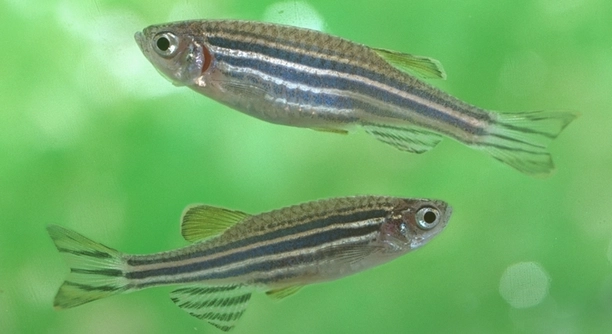
Have you ever watched your zebra danios zoom around the tank and wondered if what you’re seeing is really normal behavior? These tiny fish can be full of surprises, often leaving new owners second-guessing what they know.
Many common beliefs about zebra danio behavior are based on misunderstandings. These myths can lead to confusion and incorrect care practices. By separating fact from fiction, hobbyists can better support the well-being and needs of their zebra danios.
Some myths are harmless, while others can affect how your fish live and interact. Let’s explore the truths behind these common misunderstandings.
Myth 1: Zebra Danios Are Aggressive Fish
Zebra danios are often mistaken as aggressive because of their fast swimming and chasing behavior. In reality, this is a natural part of their social interaction. These fish are very active and tend to establish a pecking order in their group, which can look like aggression to the untrained eye. If they’re kept in too small of a group or in a tank with not enough space, their chasing can become excessive. The key is keeping them in groups of at least five or six with enough swimming room. This spreads out their energy and minimizes stress.
Danios may nip fins if they’re bored or stressed, but this usually stops with better conditions.
A larger tank with plants, hiding spaces, and enough group members allows danios to stay busy without becoming hyperactive or overwhelming to each other. Their behavior becomes more balanced in the right environment.
Myth 2: Zebra Danios Can Live Alone
Keeping a single zebra danio often leads to stress and abnormal behavior. These fish are social and thrive in groups.
A zebra danio kept alone may hide, stop eating, or become less active over time. They are schooling fish, which means they rely on the presence of their own kind to feel secure. Even in a tank filled with other species, they will not behave normally unless they have other danios around. A proper group lets them swim together, play, and feel safe. Without this, they may become skittish or show signs of depression. To keep them happy and healthy, aim for a group of at least five. This setup lets them show natural behavior and interact the way they are meant to. It’s not just about companionship—it’s about meeting their basic needs.
Myth 3: Zebra Danios Don’t Need a Heater
Some people assume zebra danios don’t need a heater because they’re hardy fish. While they can tolerate a range of temperatures, stable warmth keeps them healthy and active.
Zebra danios are tropical fish that thrive best between 72°F and 78°F. Sudden temperature drops can lead to stress, making them more vulnerable to illness. Even if your room temperature seems stable, fluctuations throughout the day and night can impact your tank. A small, adjustable aquarium heater helps maintain a steady temperature, which supports their metabolism and immune system. It also ensures consistent behavior, like schooling and feeding. A heater may seem optional at first, but it actually plays a big part in keeping these fish in top condition. Especially during colder months, maintaining the right water temperature can make a noticeable difference in their daily behavior.
Even in mild climates, temperature swings from open windows, fans, or air conditioning can affect a tank quickly. A thermometer paired with a heater gives you control and peace of mind. Danios are resilient, but they do better when you reduce the stress of inconsistent conditions. For such small fish, having a reliable temperature helps them stay energetic, swim freely, and maintain their usual active routine without issue.
Myth 4: Zebra Danios Eat Anything
Zebra danios will try to eat most small foods, but that doesn’t mean everything is good for them. A balanced diet supports their energy and long-term health, especially in a community tank.
Feeding zebra danios only flakes or pellets can limit their nutritional intake over time. They do best with variety, including protein-rich options like brine shrimp or daphnia, as well as some plant matter. A mix of high-quality flakes, occasional live or frozen foods, and vegetable-based options ensures they get the nutrients they need. Overfeeding or offering the wrong types of food may cause digestive problems or tank waste buildup. Feeding small amounts two to three times a day works well. It’s not about how much they’ll eat, but what’s best for their system. With better food choices, they stay more active, show brighter colors, and display more natural behaviors during feeding.
Myth 5: Zebra Danios Sleep Like Other Fish
Zebra danios don’t rest the same way many fish do. They stay semi-active even during nighttime and often sleep in short bursts rather than long, deep rest periods.
They usually hover in one spot or find a quiet corner to pause. Their rest is light and easily disturbed.
Myth 6: Zebra Danios Don’t Get Bored
Zebra danios need stimulation. Without enough movement, variety, or interaction, they may become restless or stressed. This can lead to pacing, nipping, or skittish behavior. A plain tank with no variety limits their mental engagement. Adding floating plants, occasional changes in décor, or varied feeding spots can help. They also benefit from swimming space and tankmates of similar size and energy. Small changes in their surroundings go a long way in keeping them alert and engaged. Watching their behavior will give you clues about their comfort. When properly stimulated, they swim more confidently and show fewer signs of stress or repetitive movement.
Myth 7: Zebra Danios Don’t Recognize Their Owners
They may not recognize faces, but zebra danios can learn feeding routines and respond to movement near the tank. They often swim to the front when someone approaches.
FAQ
Do zebra danios need a specific type of tank?
Zebra danios are flexible when it comes to tank setups. They adapt well to different conditions, but they thrive in a well-planted, spacious tank. A 20-gallon tank is a good size for a group. They also do well with other peaceful species but should be kept away from larger, aggressive fish. The key to a successful tank for zebra danios is enough swimming space and hiding spots. Adding live plants helps with oxygen levels and provides places for the fish to explore. A soft substrate is preferable, as they tend to sift through it.
How many zebra danios should be kept together?
Zebra danios are social and do best in groups. The minimum recommended group size is five or six. This allows them to establish social hierarchies and feel secure. A small group can make them feel isolated, leading to stress or even aggression. In larger groups, they will interact more, display natural schooling behavior, and show less stress. They’re happiest when they have company to swim with, and keeping them in a group lets them express their typical active behavior. They will also feel more confident in a larger group, reducing stress-related issues.
What is the lifespan of a zebra danio?
On average, zebra danios live around 3 to 5 years in captivity. Their lifespan can be influenced by factors like water quality, diet, and overall care. With proper attention to their needs—such as maintaining water temperature, regular cleaning, and balanced feeding—they can live out their full lifespan. Their hardiness and adaptability contribute to their relatively long life for such small fish. Regular water changes, a varied diet, and ensuring the tank remains free from disease are key to helping your zebra danio live a longer, healthier life.
Can zebra danios live with other species?
Yes, zebra danios are community fish. They typically do well with other small, peaceful fish like tetras, guppies, and corydoras catfish. Their active and friendly nature makes them suitable for mixed-species tanks, as long as the other fish are not aggressive or large enough to harm them. Avoid housing zebra danios with territorial or slow-moving fish, as they can become stressed or outcompeted for food. A peaceful, well-balanced tank environment will ensure that zebra danios coexist happily with their tankmates.
What should I feed zebra danios?
Zebra danios are omnivores, meaning they eat both plant and animal matter. A balanced diet for them includes high-quality flake food, supplemented with occasional live or frozen foods like brine shrimp, daphnia, or bloodworms. They will also appreciate finely chopped vegetables such as spinach or zucchini. Feeding them a variety of food options helps keep them healthy and active. Overfeeding can lead to water quality issues, so it’s best to feed small amounts two or three times a day. Avoid leaving uneaten food in the tank, as this can lead to water contamination.
How often should I clean the tank for zebra danios?
Regular tank maintenance is important for keeping zebra danios healthy. You should perform partial water changes of 25-30% once a week. This helps remove waste and maintain water quality. Additionally, clean the substrate using a gravel vacuum to remove debris and uneaten food. It’s also important to check the filter regularly to make sure it’s running properly. Keeping the tank clean not only ensures the health of your fish but also helps prevent diseases. If you have a larger tank or a stable ecosystem, you may be able to adjust the cleaning schedule slightly, but weekly water changes are recommended.
Do zebra danios need a filter?
Yes, zebra danios benefit from having a filter in their tank. These fish are active swimmers and produce waste, so proper filtration helps keep the water clean and oxygenated. A filter also helps maintain water quality by removing toxins and debris. It’s important to choose a filter that suits the size of your tank and doesn’t create too strong a current, as zebra danios prefer moderate water movement. Regular cleaning of the filter will ensure it continues to work effectively. A well-maintained filter creates a healthier environment for your fish and keeps them more comfortable.
Are zebra danios prone to any diseases?
Like all fish, zebra danios can be susceptible to certain diseases, particularly if water quality is poor. Some common illnesses include ich (white spot disease), fin rot, and swim bladder issues. Keeping the tank clean and maintaining proper water conditions is the best way to prevent illness. Quarantining new fish before adding them to your tank helps reduce the risk of introducing diseases. If you notice any signs of illness, such as abnormal swimming or discoloration, it’s important to address the issue quickly. Regular monitoring of your fish and water conditions will help prevent health problems.
How can I tell if my zebra danio is male or female?
It’s fairly easy to tell male and female zebra danios apart. Males are generally smaller, more slender, and have brighter colors, especially during breeding season. They often show a more pronounced blue stripe along their body. Females tend to be larger, with a rounder belly, especially when they’re carrying eggs. During breeding periods, females may look more faded in color, while males become more vibrant and actively chase females. These visual differences make it relatively simple to distinguish between the sexes, even for novice fish keepers.
Can zebra danios breed in captivity?
Yes, zebra danios can breed in captivity under the right conditions. They are egg-layers, and breeding typically occurs in groups of males and females. To encourage breeding, set up a breeding tank with a soft substrate or a mesh bottom to prevent the eggs from being eaten by the adults. The water temperature should be kept slightly higher, around 78°F, and the tank should have plenty of hiding spots for the young fish. After spawning, remove the adults to prevent them from eating the eggs. The eggs will hatch in about 2-3 days, and the fry will need to be fed small, specialized foods once they are free-swimming.
Final Thoughts
Zebra danios are an excellent choice for beginner aquarium enthusiasts due to their hardiness and low-maintenance care. They adapt well to a variety of water conditions and are relatively easy to feed. Their active nature makes them fun to watch as they swim around the tank, and their peaceful temperament allows them to coexist with other fish. While they do require regular water changes and a proper tank setup, they don’t have many complex needs. This makes them a great option for those just starting out with aquarium care.
Despite their ease of care, it’s important to address a few common myths surrounding zebra danios. They are not always as low-maintenance as they may seem, especially when it comes to their social needs. Keeping them in groups is essential for their well-being, as they are social creatures. Additionally, while they are hardy, they can still be susceptible to diseases if the tank is not maintained properly. Understanding their behavior, needs, and health requirements will help ensure that your zebra danios live long, healthy lives.
Overall, zebra danios are a rewarding fish to keep. Their bright colors, active behavior, and adaptability make them an attractive addition to any tank. By providing them with a suitable environment, a balanced diet, and regular care, you can enjoy watching these lively fish thrive. With the right setup and attention, zebra danios can live for several years, offering a vibrant and enjoyable aquarium experience.

Hello,
If you enjoy the content that we create, please consider saying a "Thank You!" by leaving a tip.
Every little bit helps us continue crafting quality advice that supports the health, happiness, and well-being of pets around the world, for pets of all shapes, sizes, and species.
We really appreciate the kindness and support that you show us!