
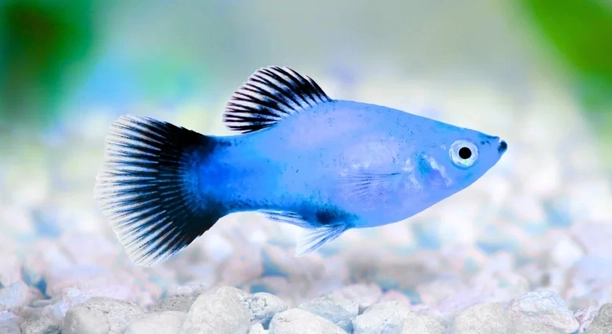
Platy fish are popular pets for many aquarium enthusiasts. Breeding them can be rewarding but also confusing due to widespread misinformation. Understanding the facts about platy breeding helps create a healthy environment for these colorful fish.
Many common beliefs about platy breeding are based on misconceptions. Accurate knowledge is essential for successful breeding and the well-being of the fish. This article clarifies frequent myths and provides reliable information to support breeders in their efforts.
Knowing the truth about these myths will improve your breeding success and fish care. The following sections explain important details every platy owner should understand.
Myth 1: Platies Only Breed in Large Tanks
Many believe platies need very large tanks to breed successfully, but that isn’t true. Platies are livebearers and can reproduce in smaller tanks as long as the environment is stable and clean. A tank of about 10 gallons is usually enough to start breeding platies. The key factors are water quality, temperature, and hiding places. Platies need space to swim, but overcrowding can stress them and reduce breeding success. Providing plants or decorations where fry can hide increases their survival rate. Keeping water parameters stable and feeding high-quality food also supports healthy breeding. Large tanks help with population control but aren’t necessary for the process itself.
Smaller tanks with good care can support healthy platy breeding without stress. Proper maintenance is more important than tank size alone.
Understanding that platies don’t require huge tanks removes a common worry and helps beginners set up a suitable breeding environment quickly. This makes breeding more accessible and less intimidating.
Myth 2: Platy Females Can Only Have One Batch of Fry
It’s a common misconception that female platies can only produce one batch of fry in their lifetime. In reality, female platies are capable of multiple pregnancies after reaching maturity. They are known as livebearers, which means the young are born fully formed. Females store sperm from males and can fertilize eggs over several months without needing to mate again immediately. This allows them to have several batches of fry spaced out over time.
Female platies can give birth every 4 to 6 weeks under good conditions. Each batch can contain 20 to 40 fry depending on the female’s health and age. It is important to provide adequate nutrition and care to support repeated pregnancies. Stress or poor water conditions can reduce the number and health of fry.
By understanding their reproductive cycle, breeders can better plan tank setups and care routines to accommodate continuous breeding. This knowledge helps prevent surprises when multiple fry appear unexpectedly. It also highlights the importance of managing tank populations and ensuring enough hiding spaces for young platies. Recognizing that females can have multiple litters encourages responsible breeding practices and better care.
Myth 3: Male Platies Are Aggressive During Breeding
Male platies generally show mild behavior and are not overly aggressive during breeding. Unlike some fish species, they don’t fight intensely over females. Males use gentle chasing and nudging to court females.
Males often display vibrant colors and swim actively to attract females. Their behavior is more about persistence than aggression. Sometimes, males may follow a female closely for days until she is ready to mate. This chasing is usually harmless and does not cause injury. However, overcrowding can increase stress and occasional nips, so maintaining proper tank space is important.
In a well-maintained tank, male platies’ breeding behavior remains calm. Providing plenty of hiding spots for females helps reduce stress during mating. Watching their interactions can be interesting but rarely alarming. Understanding this can ease concerns about aggression during breeding.
Myth 4: You Must Separate Fry Immediately After Birth
Separating fry right after birth is not always necessary. While it can protect the young from being eaten, a well-planted tank often offers enough hiding places. This natural cover can increase fry survival without immediate separation.
If the tank has dense plants and decorations, fry can avoid adult fish. Frequent feeding of adults can reduce their interest in fry as food. However, if the tank is bare or overcrowded, fry are at high risk and should be separated to a nursery tank. A nursery tank allows controlled feeding and safer growth.
Deciding when to separate fry depends on tank setup and adult fish behavior. Observing the tank carefully helps determine the best time for separation. This approach balances convenience and fry survival effectively.
Myth 5: Platy Fry Need Special Food Immediately
Platy fry can eat finely crushed flakes or powdered fry food right after birth. There is no need for special or complicated feeding right away. Small food particles help them start feeding effectively.
Providing frequent small feedings throughout the day supports healthy growth. Overfeeding should be avoided to keep the water clean. Live foods like baby brine shrimp can be introduced later for extra nutrition but aren’t necessary at the very start.
Myth 6: Only One Male Should Be Kept With Females
Keeping more than one male with females is actually beneficial. Multiple males reduce stress on any single female from constant chasing by spreading attention around. This balances breeding pressure in the tank.
A group ratio of about two males for every three or four females helps maintain harmony. This ratio lowers aggressive behaviors and improves overall health. Maintaining this balance is important to avoid stress and breeding issues.
Myth 7: Platy Breeding Is Difficult to Control
With basic knowledge and care, platy breeding is easy to manage. Understanding breeding habits, tank setup, and fry care simplifies the process. It allows planned breeding rather than accidental overpopulation.
Controlling factors like tank size, sex ratio, and food ensures better outcomes. Breeders can enjoy steady success with minimal complications.
FAQ
How long does it take for platy fry to grow?
Platy fry usually grow quickly under good conditions. They typically reach about 1 inch in size within two to three months. Growth depends on factors like water quality, food, and tank temperature. Warmer water and frequent feeding of nutritious food promote faster development.
Young fry are delicate, so keeping the tank clean and stable helps them thrive. Once they reach maturity, usually at about four to six months, they can start breeding themselves. Patience and proper care are key during this growth period.
Can platies breed without a male present?
No, platies cannot breed without males. Females store sperm from males to fertilize multiple batches, but initial mating requires at least one male. Without a male, females will not produce fry.
It’s important to keep at least one male in the tank if breeding is the goal. A proper male-to-female ratio supports healthy reproduction and reduces stress on females.
How many fry does one female platy have at a time?
A single female platy typically gives birth to 20 to 40 fry per batch. The exact number varies based on her age, health, and environment. Younger females may have fewer fry, while healthy mature females tend to produce larger batches.
The frequency of births also depends on tank conditions. Good care allows females to have babies every 4 to 6 weeks. Ensuring good nutrition and low stress helps maximize healthy fry numbers.
Is it necessary to separate male and female platies after breeding?
Separating males and females after breeding is not always necessary. Females can store sperm and produce fry for several months after one mating. Separation only helps if overbreeding or stress is a concern.
If population control becomes difficult, separating males can slow down breeding. Otherwise, keeping them together in a balanced ratio works well for natural breeding.
What is the best temperature for platy breeding?
The ideal temperature for platy breeding is between 72°F and 78°F (22°C to 26°C). Temperatures in this range encourage healthy metabolism and reproduction. Temperatures outside this range can cause stress and reduce breeding success.
Stable temperature is more important than occasional changes. Using a reliable aquarium heater helps maintain a consistent environment for platies.
How often should I feed platy fry?
Platy fry should be fed small amounts 3 to 4 times a day. Frequent feeding supports their fast growth and high energy needs. Use finely crushed flakes, powdered fry food, or live foods like baby brine shrimp.
Avoid overfeeding to prevent water quality issues. Removing uneaten food after a few minutes helps keep the tank clean and safe for the fry.
Can platy fry survive with adult fish in the same tank?
Platy fry can survive with adults if there are plenty of hiding places like plants or decorations. Dense cover allows fry to avoid being eaten. However, in bare tanks, adult fish may prey on fry.
Providing enough space and natural cover reduces the risk. If necessary, use a breeder box or separate tank for the fry until they grow larger.
How do I know when a female is about to give birth?
A female platy about to give birth will show a dark gravid spot near her belly. She may also appear swollen and less active. These signs usually appear a few days before delivery.
Watching for these clues helps prepare the tank or move the female to a safe nursery. Being ready ensures better survival rates for the fry.
What can I do to improve fry survival rates?
Improving fry survival involves keeping water clean, providing plenty of hiding spots, and feeding appropriate food frequently. Avoid overcrowding and aggressive tank mates that may harm fry.
Regular water changes and monitoring parameters like pH and temperature support fry health. Using live plants or spawning mops gives fry places to hide, reducing stress and predation.
Are there any health concerns with breeding platies too often?
Breeding female platies too often without proper rest can weaken their health. Continuous pregnancies may lead to stress, reduced immune function, and shorter lifespan.
It’s important to provide good nutrition and rest periods between births. Managing the breeding cycle by controlling males or separating fish can prevent overbreeding and keep platies healthy.
Platy breeding is a rewarding but sometimes misunderstood process. Many common ideas about breeding platies are based on myths that can make the task seem more difficult than it actually is. By understanding the true facts, anyone with a basic aquarium setup can successfully breed platies. The key is to focus on maintaining a clean, stable environment with proper tank size, temperature, and food. These factors have a much bigger impact on breeding success than some of the myths suggest. Platies are hardy and adaptable fish, and with the right care, they will reproduce naturally and often without much trouble.
It is also important to remember that platy breeding involves ongoing care and observation. Female platies can have multiple batches of fry, so it is good to be prepared for the responsibilities that come with raising young fish. Providing plenty of hiding spots in the tank helps fry survive alongside adults. Feeding small, frequent meals supports their growth and health. Understanding the males’ breeding behavior and keeping a balanced ratio of males to females can reduce stress and aggression. These simple steps create a healthy environment that benefits both adult fish and their offspring. Responsible management helps avoid overpopulation and keeps the tank in good condition for everyone.
Breeding platies does not need to be complicated or intimidating. Many myths can cause unnecessary worry or lead to incorrect care decisions. Focusing on the basic needs of the fish and applying clear, accurate information makes the process easier and more enjoyable. Whether breeding for personal enjoyment or to share with others, these small fish offer a rewarding experience. Taking the time to learn and apply the right care methods ensures healthy, happy platies and successful breeding. With patience and attention, anyone can enjoy the fascinating life cycle of these colorful fish.

Hello,
If you enjoy the content that we create, please consider saying a "Thank You!" by leaving a tip.
Every little bit helps us continue crafting quality advice that supports the health, happiness, and well-being of pets around the world, for pets of all shapes, sizes, and species.
We really appreciate the kindness and support that you show us!