
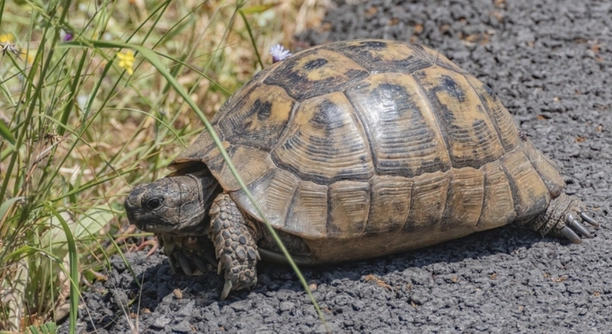
Greek tortoises are popular pets, loved for their gentle nature and fascinating behaviors. However, many myths about their care circulate online, leading to confusion. In this article, we’ll clear up some common misconceptions to help you provide the best care.
Contrary to popular belief, Greek tortoises do not require a diet rich in fruits. A proper diet consists mainly of dark leafy greens, grasses, and flowers. Providing too many fruits can lead to health issues like obesity and digestive problems.
Many myths about Greek tortoise care can lead to poor habits that negatively affect their health. Understanding the truth will ensure your pet thrives and enjoys a long, happy life. Let’s address these misconceptions and set the record straight.
Myth #1: Greek Tortoises Only Eat Lettuce
Many people think lettuce is the go-to food for Greek tortoises, but that’s a big mistake. While lettuce may seem harmless, it doesn’t offer the necessary nutrients they need. Lettuce, especially iceberg, has very little nutritional value and can even lead to digestive issues in tortoises. A healthy diet for your tortoise should consist of dark leafy greens, like dandelion greens, collard greens, and kale. You can also add grasses, flowers, and other plants. A variety of foods helps mimic what they’d eat in the wild and supports their overall health.
Greek tortoises require a high-fiber diet with calcium and low protein levels. Offering a mix of different greens and flowers can help ensure they get everything they need to stay strong and healthy.
Another essential thing to remember is that fruits should be fed sparingly. While they may enjoy the occasional berry, too many can lead to weight gain or digestive problems. Stick to the essentials, and you’ll have a healthier tortoise for longer.
Myth #2: Greek Tortoises Don’t Need UVB Light
It’s a common misconception that Greek tortoises can thrive without UVB light, especially if they’re kept outdoors. The reality is that UVB light is crucial for their health, whether they live inside or outside. Without proper UVB exposure, tortoises can suffer from metabolic bone disease, which weakens their bones and affects their ability to move and grow. UVB light helps them produce vitamin D3, which is essential for calcium absorption. This is true even if your tortoise spends time outdoors, as they still need direct UVB exposure or a UVB light source in their enclosure.
Providing a UVB light source inside is a simple way to ensure they stay healthy. Without it, their diet and calcium intake won’t be as effective.
Tortoises are often active during the day, so make sure the light source is on for at least 10-12 hours a day to mimic natural sunlight. In addition, be sure to place the light source within an appropriate distance to prevent burns. With the right setup, your tortoise can enjoy the benefits of UVB light all year round.
Myth #3: Greek Tortoises Need to Be Housed in Large Enclosures
While it’s true that tortoises need space, it doesn’t mean they need an enormous enclosure. A moderately sized tank or outdoor area is sufficient, as long as it provides places to hide, bask, and explore. A 40-gallon tank can work for a smaller tortoise, while a larger one may require a bigger setup.
When it comes to their living space, the most important factors are temperature, humidity, and hiding areas. A small but well-equipped enclosure can be better than a large, empty one. Include various textures, like rocks, logs, and plants, to mimic their natural habitat. It’s crucial that the space is clean, dry, and well-ventilated.
Tortoises are not territorial like some other pets, so they do not need large spaces to feel secure. As long as their basic needs are met, they will be happy in a smaller, well-maintained area. Overcrowding should be avoided, as it can stress them out and lead to health problems.
Myth #4: Greek Tortoises Can Live on Just Dry Food
Greek tortoises may enjoy dry foods like pellets, but it’s a myth that they can survive on dry food alone. A balanced diet that closely resembles what they would eat in the wild is crucial for their long-term health. Dry foods lack the moisture and nutrients found in fresh greens, grasses, and flowers. While pellets can be used as a supplement, they should never replace fresh foods entirely.
A tortoise’s diet should include a mix of leafy greens, edible flowers, and grasses. This ensures they get the vitamins, minerals, and fiber they need for digestion and overall well-being. Fresh foods also help keep them hydrated, which is important for kidney and skin health.
Regularly rotating foods and offering variety can also prevent boredom and encourage natural foraging behaviors. Make sure to avoid feeding them too much high-protein food, as this can lead to kidney issues. Fresh, whole foods are the key to a healthy, happy tortoise.
Myth #5: Greek Tortoises Need Constant Heat
Tortoises do need a warm environment, but they don’t need constant heat. They can tolerate temperature fluctuations, as long as they have a basking area with the proper heat and UVB lighting. Too much heat can cause stress and dehydration.
The basking area should be between 90-100°F, while the rest of the enclosure should stay around 70-80°F. It’s also important to offer a cool retreat, where they can go if they get too warm. This allows them to regulate their body temperature naturally.
A thermostat and proper monitoring of the enclosure’s temperature will help ensure they stay comfortable and healthy without constant heat.
Myth #6: Greek Tortoises Only Live for 10 Years
Greek tortoises actually have long lifespans, often living 50 years or more in the right care. Many people mistakenly believe they only live for a short time because of their small size, but they can be lifelong companions if provided with proper care.
A balanced diet, adequate space, and correct environmental conditions are key to longevity. Regular vet check-ups also help catch health issues early. A tortoise’s age can be hard to gauge, but with the right attention, they can live well into their senior years.
These tortoises are resilient, but ensuring they live a long life requires commitment and attention to their needs.
Myth #7: Greek Tortoises Don’t Need Water
Contrary to what some people believe, Greek tortoises do need access to water regularly. While they don’t need it to swim, they do require it for hydration, soaking, and proper digestion. Without water, they can become dehydrated, which can lead to serious health issues like kidney problems.
Offering water in a shallow dish or a soaking tub is essential. Let your tortoise soak for about 20 minutes every couple of days to help with hydration and shedding. Regular water access will keep them feeling healthy and support their overall well-being.
Make sure to clean the water dish regularly to prevent bacteria buildup.
What temperature should a Greek tortoise’s enclosure be?
A Greek tortoise’s enclosure needs both a basking area and a cooler section. The basking spot should be between 90-100°F to help them regulate their body temperature. The rest of the enclosure should stay around 70-80°F, which mimics their natural environment. It’s important to provide a gradient of temperatures so your tortoise can move between warmer and cooler areas. This will help them regulate their body heat, much like they would in the wild.
If you live in a colder climate and your tortoise is kept indoors, a heat lamp or ceramic heat emitter can help maintain these temperatures. Be careful not to let the enclosure get too hot, as they need to have a cool space to retreat to if they get too warm.
How often should I feed my Greek tortoise?
Greek tortoises should be fed daily, but their diet should be high in fiber and low in protein. Offering a variety of dark leafy greens and grasses will give them the necessary nutrients. Try feeding them fresh foods like dandelion greens, collard greens, and clover every day. You can occasionally offer them edible flowers or herbs, but fruits should be given sparingly.
Avoid overfeeding your tortoise, as they can easily become overweight, which can lead to health problems. Make sure they always have access to fresh water, as hydration is essential for digestion. A consistent, balanced feeding routine will help them stay healthy.
Can I keep my Greek tortoise outdoors?
Yes, Greek tortoises can live outdoors, but you need to ensure the environment is safe, secure, and suitable for them. They prefer warm, dry climates and need a sheltered space where they can escape from extreme temperatures, rain, or predators. A secure outdoor enclosure with a good mix of sun and shade is ideal.
If you live in a region with cold winters, it’s important to bring your tortoise indoors during the colder months. They cannot tolerate freezing temperatures and may go into hibernation, which can be dangerous if not done correctly. Make sure to set up an appropriate indoor enclosure with heat and UVB lights during the winter.
How do I properly handle a Greek tortoise?
Handling your Greek tortoise should be done with care and respect. It’s important to avoid picking them up by their legs or tail, as this can cause stress and injury. Instead, gently support their body by placing one hand under their shell, making sure their legs are properly supported.
Tortoises are not typically cuddly animals, and too much handling can stress them out. Limit handling to short sessions and only when necessary, allowing them to explore their environment on their own most of the time. Always wash your hands before and after handling your tortoise to prevent the spread of germs.
What should I do if my Greek tortoise isn’t eating?
If your Greek tortoise isn’t eating, it’s important to look at environmental factors first. Check the temperature in their enclosure to make sure it’s warm enough, as tortoises may stop eating if they’re too cold. If the habitat is too hot, they may also lose their appetite. Make sure they have access to fresh food and clean water.
Stress, illness, or incorrect diet can also cause a lack of appetite. If the problem persists for more than a couple of days, it’s a good idea to consult with a vet who specializes in reptiles. They can rule out any underlying health issues.
Do Greek tortoises need a companion?
Greek tortoises are solitary animals and do not require a companion. In fact, housing two tortoises together can lead to territorial behavior, which can cause stress, fights, and injuries. They are happiest when left to roam and explore their space on their own.
If you decide to house more than one tortoise, make sure to monitor them closely for signs of aggression. You can also separate them into different enclosures to avoid any problems. Each tortoise will be content in its own space, so providing an individual enclosure is the best option.
How long does it take for a Greek tortoise to grow?
Greek tortoises grow at a relatively slow rate. Depending on their environment, they typically reach full size in about 5 to 10 years. During their growth period, they will need a nutritious, balanced diet to support their development.
The growth rate can vary depending on factors like diet, temperature, and overall care. Keeping your tortoise’s enclosure at the proper temperature and providing consistent nutrition will ensure they grow at a healthy pace. Regularly monitor their weight and size to track their development.
Can Greek tortoises hibernate?
Yes, Greek tortoises can hibernate, but only under the right conditions. Hibernation typically happens in the winter months, when temperatures drop. However, it’s important that you don’t force your tortoise into hibernation if they’re not in good health or haven’t received the proper diet leading up to the process.
Before hibernating, ensure that your tortoise is healthy, hydrated, and has a proper weight. Gradually lower the temperature in their enclosure and reduce their feeding until they stop eating. During hibernation, they should be kept in a cool, dry place where the temperature doesn’t drop too low. It’s crucial to monitor them carefully during this time, as improper hibernation can lead to serious health risks.
Taking care of a Greek tortoise can be a rewarding experience, but it requires attention and commitment. These fascinating creatures may appear low-maintenance, but they have specific needs that must be met for their long-term health and well-being. From providing the right diet to ensuring the proper lighting and temperature in their enclosure, there are several factors to consider. While it can seem overwhelming at first, once you understand the basics, it becomes easier to care for them.
One of the most important things to remember is that Greek tortoises thrive on a varied diet of fresh greens, grasses, and occasional flowers. A proper diet not only ensures they get the necessary nutrients but also helps prevent common health issues like obesity and digestive problems. Giving them access to clean water and occasional soaking is just as important, as dehydration can lead to serious issues. Keeping their habitat clean, secure, and at the right temperature will also make a huge difference in their overall health.
Lastly, while Greek tortoises are often seen as low-maintenance pets, they do need your attention and care. Regular monitoring of their environment, diet, and health is key to ensuring they live a long, happy life. If you ever have concerns about their well-being, don’t hesitate to consult with a reptile vet. With the right knowledge and proper care, your Greek tortoise can thrive for many years to come.

Hello,
If you enjoy the content that we create, please consider saying a "Thank You!" by leaving a tip.
Every little bit helps us continue crafting quality advice that supports the health, happiness, and well-being of pets around the world, for pets of all shapes, sizes, and species.
We really appreciate the kindness and support that you show us!