
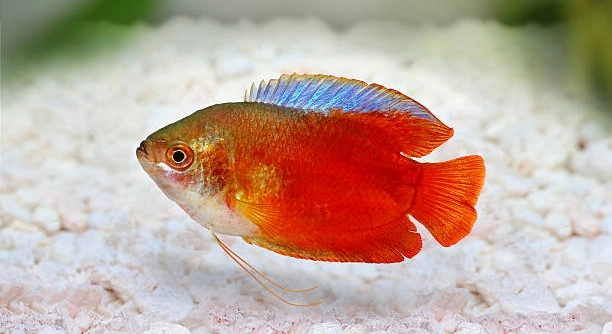
Gouramis are popular aquarium fish known for their unique behaviors and striking appearance. Many owners enjoy watching their interactions but often encounter conflicting information about their habits and needs. Understanding the truth behind these behaviors helps create a better environment for these fish.
Several common myths about gourami behavior persist, leading to misunderstandings among hobbyists. These misconceptions can affect care decisions, tank setups, and the overall well-being of the fish. Clarifying these myths supports healthier aquariums and more informed fish owners.
Recognizing accurate gourami behavior is essential for both novice and experienced fishkeepers. This article will clarify frequent misunderstandings and provide useful insights for maintaining these fascinating fish properly.
Gouramis Are Always Aggressive
Gouramis are often described as aggressive fish, but this is not entirely accurate. While some species can show territorial behavior, especially males during breeding, most gouramis are relatively peaceful. Aggression usually occurs when the tank is too small or overcrowded, which increases stress and competition. Proper tank size, hiding spots, and compatible tank mates can reduce aggressive encounters. Understanding individual species differences is also important, as dwarf gouramis are generally less aggressive than larger types like kissing gouramis. Observing your fish regularly helps identify if aggression is a natural behavior or a response to environmental issues. Adjusting conditions early prevents long-term stress and injury. Keeping gouramis in suitable groups, maintaining clean water, and avoiding sudden changes in the tank environment all contribute to calmer behavior. Overall, aggression is situational and not a fixed trait for all gouramis.
Aggression in gouramis is often linked to their environment rather than their nature. Correct tank management can minimize conflict.
Gouramis communicate using body language, including flaring their fins or changing colors, which can look aggressive but may just be displays of dominance or mating readiness. These behaviors serve specific purposes and do not always mean the fish is hostile. Recognizing normal social behaviors versus harmful aggression is key to proper care.
Gouramis Can Breathe Air Anytime
Gouramis are labyrinth fish, meaning they can breathe air from the surface using a special organ. This allows them to survive in low-oxygen water for short periods. However, this does not mean they prefer to gulp air constantly or that their tanks can have poor water quality. They still rely mainly on gills for oxygen and need clean, well-oxygenated water to thrive. Excessive air breathing often signals poor water conditions or illness, which requires prompt attention. Proper filtration, regular water changes, and avoiding overcrowding help maintain healthy oxygen levels. Providing a calm surface for easy access to air is beneficial, but tanks should never be neglected assuming gouramis can handle anything. Regular observation of breathing patterns is important for early detection of problems.
Breathing air is a survival adaptation, not a reason to compromise water quality.
Maintaining good water conditions remains essential despite gouramis’ air-breathing ability. Ignoring water parameters may lead to health issues and stress. This special adaptation is a backup mechanism rather than a substitute for proper tank care.
Gouramis Are Always Easy to Care For
Gouramis are often seen as beginner fish, but their care is not always simple. They need specific conditions to stay healthy and comfortable. Tank size, water quality, and diet all play a critical role in their wellbeing.
Though gouramis are hardy, they require stable water parameters, including temperature and pH. Sudden changes can cause stress or illness. Providing a well-planted tank with hiding places helps reduce stress and mimics their natural habitat. Their diet should be varied, including high-quality flakes, pellets, and occasional live or frozen foods to meet nutritional needs. Overfeeding should be avoided to prevent water pollution and health problems.
Ignoring these care requirements leads to common issues like fin rot, stress, or aggression. It’s important to monitor behavior and water regularly. Gouramis can thrive with proper attention, but they are not low-maintenance fish that tolerate neglect.
Gouramis Always Build Bubble Nests
Male gouramis are known for building bubble nests during breeding. However, not all gourami species exhibit this behavior. Some species, like kissing gouramis, do not build nests at all. Bubble nest building depends on the species, water conditions, and breeding readiness.
Bubble nests are a sign of breeding preparation, where males create floating clusters of bubbles to protect eggs and fry. Proper temperature and clean water encourage this behavior. If conditions are not right, males may not build nests, or they may build incomplete ones. Sometimes, males show nesting behavior without a female present, which is normal. Understanding species differences helps set correct expectations about bubble nest building. It’s not a universal behavior among all gouramis but an important part of reproduction for some.
Gouramis Are Always Active
Gouramis are often thought to be very active swimmers, but this varies by species and environment. Some gouramis prefer calm, slow movements and rest frequently.
Activity levels depend on tank size, water quality, and tank mates. Stress or illness can reduce movement significantly.
Gouramis Need Constant Warm Water
Gouramis do best in stable, warm water between 75°F and 82°F (24°C to 28°C). Sudden drops in temperature can cause stress and health problems. Keeping the temperature consistent supports their immune system and normal behavior.
Gouramis Can Live Alone
While some gouramis do well solo, many species benefit from having tank mates or companions. Social interaction helps reduce stress and encourages natural behaviors.
What do gouramis eat?
Gouramis are omnivores, so their diet should include both plant-based and protein-rich foods. They usually eat flakes, pellets, and frozen or live foods such as brine shrimp, bloodworms, and daphnia. Offering a varied diet helps maintain their health and vibrant colors. Feeding small amounts two to three times daily prevents overfeeding and keeps the tank clean.
How big do gouramis get?
Size varies by species. Dwarf gouramis grow up to 3.5 inches, while larger types like the kissing gourami can reach 12 inches or more. Knowing the adult size helps select appropriate tank size and compatible tank mates.
Are gouramis peaceful fish?
Most gouramis are peaceful but can show territorial or aggressive behavior, especially males during breeding or if the tank is overcrowded. Providing hiding spots and keeping compatible fish reduces stress and conflict.
How often should I clean a gourami tank?
Regular maintenance is important. Partial water changes of about 20-30% every week help maintain water quality. Cleaning the substrate and filter monthly prevents waste buildup and keeps the environment healthy.
Can gouramis live with other fish?
Gouramis generally coexist well with peaceful fish of similar size. Avoid aggressive or fin-nipping species, as they may stress gouramis. Researching compatibility before adding new fish is essential to prevent issues.
Why is my gourami gasping at the surface?
Gasping can indicate low oxygen levels or poor water quality. Check the filter, perform a water test, and increase aeration if needed. Occasional surface breathing is normal due to their labyrinth organ, but frequent gasping signals a problem.
How do I know if my gourami is sick?
Common signs include lethargy, loss of appetite, clamped fins, faded colors, and unusual swimming patterns. Promptly isolating and treating sick fish prevents disease spread and improves recovery chances.
Do gouramis need a heater?
Yes, most gouramis require a stable warm temperature between 75°F and 82°F (24°C to 28°C). A reliable aquarium heater helps maintain consistent warmth, which is vital for their immune system and activity.
Can gouramis jump out of the tank?
Yes, gouramis can jump, especially if startled or stressed. Keeping a secure lid on the aquarium reduces the risk of escapes and injuries.
How long do gouramis live?
With proper care, gouramis typically live 4 to 6 years, depending on the species. Good diet, water quality, and tank conditions extend their lifespan.
What is bubble nest building?
Male gouramis build bubble nests as part of breeding behavior. They create floating clusters of bubbles to protect eggs and fry. Not all gouramis build nests, and it usually occurs when water conditions are ideal for reproduction.
Can gouramis tolerate low oxygen water?
Gouramis can breathe air using their labyrinth organ, allowing survival in low oxygen water briefly. However, they still need clean, well-oxygenated water for long-term health.
Is it okay to keep one gourami alone?
Some gouramis do well solo, but many enjoy company of their own or compatible species. Social interaction reduces stress and promotes natural behavior.
What tank size is suitable for gouramis?
Tank size depends on species. Dwarf gouramis do well in tanks of at least 10 gallons, while larger gouramis need 30 gallons or more. A spacious tank reduces territorial behavior and supports better health.
How do I introduce new fish to a gourami tank?
Introduce new fish slowly to prevent stress and aggression. Quarantine new additions beforehand and rearrange tank decorations to reduce territorial disputes.
What water parameters are best for gouramis?
Gouramis thrive in water with pH between 6.0 and 7.5, temperature from 75°F to 82°F (24°C to 28°C), and moderate hardness. Keeping parameters stable is crucial to avoid stress.
Why do gouramis change color?
Color changes can be normal, related to mood, breeding, or health. Sudden fading or darkening may indicate illness or poor water quality. Monitoring and adjusting care as needed supports their wellbeing.
Are gouramis easy to breed?
Breeding gouramis requires specific conditions, including clean water, proper temperature, and suitable tank setup. Males build bubble nests and guard eggs, but successful breeding depends on species and environment.
Can gouramis live with shrimp or snails?
Many gouramis tolerate peaceful invertebrates like shrimp and snails. However, larger gouramis might eat small shrimp. It’s best to observe interactions and provide hiding places.
What should I do if my gourami is bullying other fish?
Bullying usually occurs due to territorial disputes or stress. Adding plants or decorations for hiding, increasing tank size, or separating aggressive fish can reduce bullying behavior.
Final Thoughts
Understanding gourami behavior helps create a better environment for these fish. Many myths exist that can lead to confusion or improper care. Recognizing that gouramis have specific needs and habits allows owners to provide appropriate conditions. This improves their health and happiness in the aquarium. Careful attention to water quality, diet, tank setup, and tank mates is important for successful keeping.
It is also important to remember that not all gouramis behave the same way. Different species have unique traits and requirements. Some gouramis build bubble nests while others do not. Some are more social, while others prefer solitude. This variety means owners must learn about their specific species before setting up the tank. Assuming all gouramis act alike may cause misunderstandings or stress for the fish. Observing their behavior closely helps spot signs of health or discomfort early.
Taking time to research and understand gouramis can prevent common problems. Following proper care routines supports their wellbeing and longevity. These fish can be rewarding pets with their interesting behaviors and gentle nature. Dispelling myths and focusing on facts creates a more positive experience for both the keeper and the gouramis. The effort invested in learning about gourami behavior pays off in a healthy, thriving aquarium.

Hello,
If you enjoy the content that we create, please consider saying a "Thank You!" by leaving a tip.
Every little bit helps us continue crafting quality advice that supports the health, happiness, and well-being of pets around the world, for pets of all shapes, sizes, and species.
We really appreciate the kindness and support that you show us!