
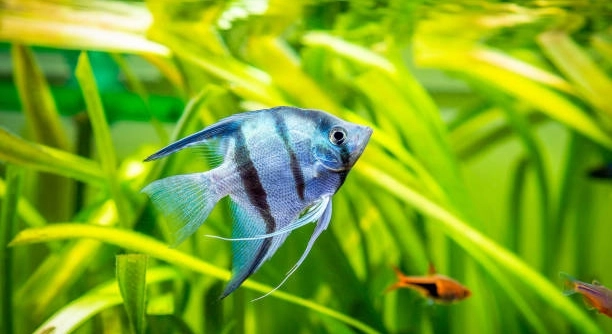
Angelfish are a popular choice for aquarium enthusiasts, loved for their graceful movements and striking appearance. However, there are many misconceptions surrounding their care that can leave new fish owners confused or misinformed.
Many common myths about angelfish care can lead to improper handling and poor tank conditions. By understanding the facts, you can ensure a healthier and more vibrant environment for your angelfish, helping them thrive in your aquarium.
Some of these myths might seem harmless, but knowing the truth will make all the difference. Let’s clear up the confusion and set the record straight on angelfish care.
Myth 1: Angelfish Are Easy to Care For
Angelfish are often labeled as low-maintenance fish, but this can be misleading. While they aren’t as demanding as some other species, they still need specific care. Angelfish are sensitive to water conditions, temperature, and tank size. If these factors are neglected, their health can suffer. They are also territorial and may display aggressive behaviors if their space is not properly managed. It’s important to research their needs thoroughly before deciding to keep them.
In reality, angelfish require stable water conditions, a tank with adequate space, and consistent feeding schedules to stay healthy. Water parameters like pH, ammonia, and nitrate levels must be closely monitored. With the right environment, they will thrive, but this does require attention to detail.
Taking care of angelfish isn’t as simple as setting up a tank and leaving them be. They need routine care to stay healthy, such as regular water changes and careful monitoring of their behavior. By providing the correct care, you will avoid unnecessary problems and enjoy the beauty of your angelfish for years.
Myth 2: Angelfish Can Live in Any Size Tank
Angelfish are often thought to adapt to any aquarium size, but they need space to swim and grow properly. A tank that’s too small can lead to stunted growth and poor health.
A minimum of 20 gallons is recommended for a pair of angelfish, with an additional 10 gallons for every extra fish. A larger tank is necessary to allow them to swim freely and establish their territory. Without this space, angelfish may become stressed, aggressive, or even ill.
Crowding angelfish in a small tank can cause health issues like fin damage, stress, and a weakened immune system. They also need room to find food and hide from potential threats, which will keep them happier and healthier. A spacious tank will provide a better quality of life for your angelfish, reducing aggression and helping them grow to their full size.
Myth 3: Angelfish Are Peaceful and Don’t Need to Be Separated
Many people believe that angelfish are peaceful and can live with any other species. In truth, angelfish are territorial and can become aggressive, especially during breeding or if they feel crowded.
Angelfish tend to claim certain areas of the tank, and if they are kept with other fish, they may show aggression toward them. This can lead to fin nipping, stress, or even death in smaller or weaker tank mates. To avoid this, make sure to select tank mates that are peaceful and similarly sized, ensuring that they can coexist peacefully.
Providing plenty of hiding spots and territories within the tank can reduce aggression. If you’re unsure about tank compatibility, it’s always a good idea to research specific species before introducing them. Knowing which fish will get along with angelfish can help maintain a harmonious aquarium environment.
Myth 4: Angelfish Only Need Flakes or Pellets to Eat
Angelfish are often fed just flakes or pellets, but they need a more varied diet to stay healthy. A balanced diet of live, frozen, and plant-based foods is essential for their well-being.
Offering a range of foods like brine shrimp, bloodworms, and spirulina will ensure they get the proper nutrients. Angelfish require a mix of proteins and greens to thrive, and feeding them only one type of food can lead to nutritional imbalances and health problems. Variety also keeps them engaged and helps prevent overeating or boredom.
Angelfish are omnivores and will eat a range of foods, but it’s important to avoid overfeeding them. Too much food can lead to water pollution and health problems. Offering small, frequent feedings instead of one large meal can help manage their weight and keep the water clean. A well-rounded diet will contribute to their long-term health and beauty.
Myth 5: Angelfish Are Hardy and Can Tolerate Poor Water Quality
Some believe angelfish are tough and can handle bad water conditions. However, they are quite sensitive to poor water quality and will show signs of stress or illness quickly.
Angelfish need clean, well-maintained water to thrive. Ammonia, nitrites, and nitrates should be kept at safe levels, and regular water changes are essential. If these conditions are ignored, your angelfish can suffer from diseases or even die. Test your water regularly to ensure it stays within the optimal range.
Proper filtration, regular cleaning, and monitoring water parameters will prevent many health issues. Angelfish require stable, high-quality water to keep them happy and healthy. Always stay on top of tank maintenance.
Myth 6: Angelfish Only Live in Freshwater
Although angelfish are commonly kept in freshwater tanks, many don’t realize that some species also exist in brackish water.
While the majority of angelfish species prefer freshwater, certain types of angelfish can live in slightly brackish conditions. The freshwater varieties thrive in soft, acidic water, but there are exceptions. Understanding the species you have and providing the right conditions for it is key to ensuring its health. Be sure to confirm which type of angelfish you own before setting up their environment.
Many aquarists overlook this difference, so it’s important to know the specific needs of your angelfish to avoid complications with their care.
FAQ
What size tank do angelfish need?
Angelfish require a minimum of a 20-gallon tank for a single pair. If you plan to keep more than one angelfish or other species, you should increase the size accordingly. For each additional angelfish, consider adding 10 gallons to the tank size. They need enough space to swim freely and establish territories, especially when breeding. Crowding them into a smaller tank can lead to stress, aggression, and health problems. A larger tank helps maintain water quality and provides a more stable environment.
Can angelfish live with other fish?
Yes, angelfish can live with other fish, but it’s important to choose compatible tank mates. They can become territorial and may show aggression, especially if they feel threatened or overcrowded. Avoid keeping angelfish with small fish that may be seen as prey or other aggressive species. Peaceful, similarly-sized fish like tetras, guppies, or catfish can often coexist well with angelfish. Always monitor interactions in a new tank setup to ensure there is no excessive aggression or stress among the fish.
How often should I feed angelfish?
Angelfish should be fed 2-3 times a day, but be careful not to overfeed them. Providing small portions of food helps keep the water clean and prevents obesity. Angelfish are opportunistic feeders and will eat most types of food, so offering a variety of foods, such as flakes, pellets, and live or frozen foods like brine shrimp and bloodworms, is ideal. A varied diet ensures they receive all the necessary nutrients. Remove any uneaten food to prevent water contamination.
What is the ideal water temperature for angelfish?
Angelfish thrive in water temperatures between 76-82°F (24-28°C). This range mimics their natural habitat in warm, slow-moving rivers. If the water temperature is too low, their metabolism slows down, and they may become more susceptible to illness. If it’s too high, they may become stressed and exhibit poor feeding habits. A reliable aquarium heater and thermometer will help maintain a stable temperature, keeping your angelfish comfortable and healthy.
How do I know if my angelfish are stressed?
Stressed angelfish may display a variety of behaviors, including hiding, decreased activity, loss of appetite, or faded color. You may also notice aggression toward other tank mates, or they may swim erratically. Stress in angelfish is often caused by poor water quality, overcrowding, incompatible tank mates, or environmental changes. If you notice any of these signs, check the water parameters and ensure that your fish have a peaceful environment. Reducing stress will improve their overall health and reduce the risk of illness.
What should I do if my angelfish are fighting?
If your angelfish are fighting, it’s usually a sign of territorial behavior or stress. First, make sure that your tank is large enough to accommodate them and that there are plenty of hiding spots or decorations to break up the space. If the aggression continues, consider rearranging the tank decorations to disrupt their territory or separating the fish temporarily. If fighting persists, you may need to remove the more aggressive fish or provide them with a separate tank to avoid injury.
Can I keep angelfish with other species of angelfish?
Yes, angelfish can be kept with other angelfish, but only if the tank is large enough and you provide enough space for each fish to establish its own territory. Angelfish are more likely to get along in larger tanks where they can avoid direct conflict. In smaller tanks, they may become more aggressive, especially if they are of the same gender or similar size. Breeding pairs are particularly territorial and may not tolerate the presence of other angelfish during breeding seasons.
Why is my angelfish not eating?
There are several reasons why an angelfish might not be eating. Poor water quality is often the main cause, as angelfish are sensitive to changes in their environment. Check the water parameters for ammonia, nitrite, nitrate, and pH levels. Stress from tank mates or overcrowding can also cause a loss of appetite. Additionally, if you have recently introduced new food or tank mates, your angelfish may need time to adjust. If the issue persists, it’s best to consult a vet or an aquarium specialist to rule out any underlying health problems.
How can I tell if my angelfish are healthy?
Healthy angelfish are active, swim gracefully, and have vibrant, well-defined colors. Their fins should be intact and not torn, and they should eat regularly. A healthy angelfish will have clear eyes, a streamlined body, and no visible signs of disease, such as lesions, spots, or swelling. Keep an eye on their behavior: if they are hiding frequently, swimming erratically, or showing no interest in food, these could be signs that something is wrong. Regular water changes, proper diet, and monitoring for disease will help maintain their health.
Do angelfish need a lot of light?
Angelfish do not need constant lighting, but they do benefit from a regular light cycle to simulate day and night. Ideally, they should have 10-12 hours of light per day, followed by 12-14 hours of darkness. Too much light can cause stress or encourage algae growth, while too little light can make the tank appear dull and cause the fish to become lethargic. A simple timer for your aquarium light can help maintain a consistent light schedule, promoting healthy angelfish behavior and tank aesthetics.
Final Thoughts
Taking care of angelfish can be a rewarding experience, but it requires attention to detail and understanding of their needs. They are not as simple to care for as some might believe, and ensuring they have the right environment will help them thrive. From maintaining proper water conditions to providing a varied diet, each aspect of their care plays a crucial role in their overall health. Mistakes can happen, but learning from them will make you a better aquarist over time.
One of the most important things to remember is that angelfish need a stable, peaceful environment. This includes having a tank that is appropriately sized for the number of fish you keep, along with the right tank mates. Their territorial nature can sometimes lead to aggression, but with enough space and the proper setup, this can be minimized. Monitoring water quality is another essential task that shouldn’t be overlooked. Regular water changes, testing parameters, and providing good filtration will help keep your angelfish healthy and prevent many common diseases.
Ultimately, owning angelfish is about providing them with the best care possible so they can live a long and healthy life. While there are many myths about angelfish care, debunking these misconceptions allows you to approach their care with more confidence. By following the right practices and understanding what they need, you’ll enjoy watching your angelfish flourish in your aquarium. With patience and commitment, angelfish can become a stunning and long-lasting addition to your tank.

Hello,
If you enjoy the content that we create, please consider saying a "Thank You!" by leaving a tip.
Every little bit helps us continue crafting quality advice that supports the health, happiness, and well-being of pets around the world, for pets of all shapes, sizes, and species.
We really appreciate the kindness and support that you show us!