
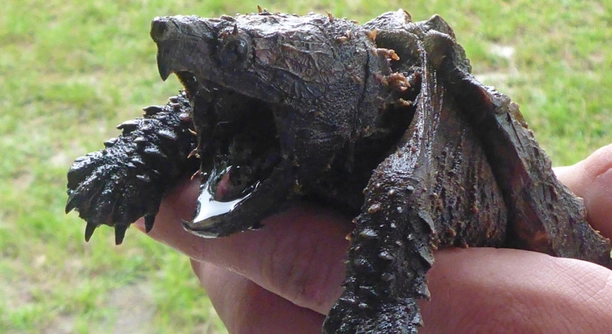
Alligator snapping turtles are often surrounded by myths and misconceptions. These fascinating creatures have sparked curiosity for many years, but there’s a lot of confusion surrounding their behavior and characteristics. Let’s clear up some of these misunderstandings.
The alligator snapping turtle is often misunderstood. Many people mistakenly believe that these turtles are dangerous, aggressive, or even the largest turtle species. In reality, they are shy and primarily feed on fish, not humans.
By understanding these common myths, you can gain a better appreciation for the true nature of these turtles. There are important facts that will reshape your view of them.
Alligator Snapping Turtles Are Not Aggressive
Many people think that alligator snapping turtles are aggressive or dangerous creatures due to their intimidating appearance. With their spiked shells and large jaws, it’s easy to assume that they are a threat. However, they are actually very shy and prefer to avoid humans whenever possible. These turtles usually stay submerged in water for long periods, emerging only to feed or lay eggs. They are not known to attack unless provoked, and even then, they will likely retreat to safety.
Despite their fierce appearance, these turtles are not the aggressive predators some may imagine. Their primary defense is to blend into their environment. Alligator snapping turtles typically remain still, relying on their camouflage to avoid predators. They rarely act out of aggression unless cornered or threatened.
Understanding their behavior can help dispel some of the myths surrounding these creatures. They are fascinating, but they aren’t looking for conflict. Simply observing them in their natural habitat reveals their calm and non-confrontational nature.
Alligator Snapping Turtles Are the Largest Freshwater Turtles
While alligator snapping turtles are large, they are not the largest freshwater turtle species. The largest freshwater turtle is the softshell turtle, which can grow even bigger. Alligator snapping turtles can reach lengths of 26 inches and weigh up to 200 pounds, but they are often mistaken for being bigger.
Their size is impressive, but they don’t hold the record for freshwater turtles. The softshell turtle, with its more streamlined body, can reach up to 30 inches and can weigh more. Alligator snapping turtles, however, remain a notable species due to their heavy, armored appearance.
Their size is one of the many features that makes them unique. While they may not be the biggest, they are still a remarkable species that commands respect due to their impressive adaptations and ability to thrive in various habitats.
Alligator Snapping Turtles Are Excellent Swimmers
Alligator snapping turtles are known to be skilled swimmers. With strong legs and webbed feet, they can move easily through water. They are highly adaptable, making them well-suited to live in rivers, lakes, and ponds.
Despite their bulky appearance, they can swim with surprising agility. These turtles primarily move by paddling with their large, powerful limbs. Their ability to swim well helps them avoid predators and find food efficiently. In shallow waters, they use their speed to navigate and hunt for prey.
Alligator Snapping Turtles Can Live for Over 100 Years
Alligator snapping turtles are known for their impressive lifespan. They can live for over a century, with many reaching ages well beyond 70 years. This long life expectancy is due to their slow metabolism and the lack of natural predators in their habitat.
They tend to grow slowly, reaching their full size after several decades. Because of their longevity, they can serve as a reminder of the importance of protecting natural habitats to ensure the survival of these fascinating creatures. The age of these turtles adds to their mystique.
FAQ
Are alligator snapping turtles dangerous to humans?
Alligator snapping turtles are not typically dangerous to humans. They are shy and prefer to avoid human contact. Although they have strong jaws, they are not known to attack unless provoked. They mostly feed on fish and other aquatic creatures, posing little threat to people.
How long do alligator snapping turtles live?
Alligator snapping turtles can live for over 100 years in some cases, though many may live 70-80 years. Their slow growth and low metabolic rate contribute to their long lifespan. Due to their ability to avoid most predators, they have a better chance of living to old age.
Do alligator snapping turtles eat other animals?
Yes, alligator snapping turtles are carnivorous. They primarily feed on fish, amphibians, and sometimes small mammals. They have a unique hunting strategy—using a bait-like structure in their mouth to attract prey. Their long, worm-like tongue lures fish into their jaws for an easy meal.
How fast can alligator snapping turtles swim?
While alligator snapping turtles are not known for speed, they are strong swimmers. They can move quickly in water when needed, typically to escape danger. Their long, powerful limbs allow them to paddle effectively, although they tend to be more leisurely swimmers compared to other species.
Do alligator snapping turtles make good pets?
Alligator snapping turtles can make interesting pets but require a lot of care. They need large enclosures with access to clean water, as well as a specialized diet of live food. Additionally, due to their strength, they can be dangerous if handled improperly. They are not ideal for beginners.
Where do alligator snapping turtles live?
Alligator snapping turtles are found in the southeastern United States, particularly in rivers, lakes, and ponds in states like Florida, Alabama, and Texas. They prefer slow-moving, muddy waters where they can hide and hunt effectively. They are mostly freshwater turtles but may venture into brackish waters on occasion.
How big do alligator snapping turtles get?
Alligator snapping turtles can grow up to 26 inches long and weigh as much as 200 pounds, although many average around 15-30 pounds. They are one of the largest freshwater turtles, known for their large size and heavy, spiked shells. Despite their intimidating appearance, they are not the largest freshwater turtle species.
Do alligator snapping turtles need to bask in the sun?
While alligator snapping turtles do bask in the sun occasionally, they do not require it as much as other turtle species. They are more adapted to staying submerged in water for long periods. However, occasional sun exposure helps them regulate their body temperature and maintain healthy shell growth.
Are alligator snapping turtles endangered?
Yes, alligator snapping turtles are considered a species of concern. They have been listed as vulnerable due to habitat destruction, pollution, and overharvesting. Conservation efforts are in place to protect them, focusing on habitat restoration and sustainable practices. Efforts are crucial to ensuring their long-term survival.
How do alligator snapping turtles reproduce?
Alligator snapping turtles reproduce by laying eggs. Females typically lay their eggs in sandy nests along riverbanks. They may lay up to 50 eggs at a time, which hatch after several months. These turtles do not provide parental care, and the hatchlings must survive on their own once they emerge from the nest.
Can alligator snapping turtles be aggressive?
Alligator snapping turtles are generally not aggressive, though they can be defensive if threatened. Their strong jaws are capable of delivering a powerful bite, but they will rarely use them unless provoked. Most of the time, these turtles are calm and prefer to retreat into the water when feeling threatened.
Do alligator snapping turtles need a lot of space?
Yes, alligator snapping turtles need plenty of space, especially in captivity. They require large aquariums or ponds that mimic their natural habitat. A proper environment includes deep water, a place for the turtle to rest, and a clean space to roam. A small tank will not meet their needs.
What do baby alligator snapping turtles eat?
Baby alligator snapping turtles eat a similar diet to adults, consisting mainly of small fish, insects, and other aquatic creatures. They also hunt for food using their unique bait-like tongue. As they grow, they gradually shift to eating larger prey, but their diet remains primarily carnivorous throughout their life.
Can alligator snapping turtles live in brackish water?
While alligator snapping turtles are freshwater turtles, they can sometimes be found in brackish water. However, they prefer freshwater habitats and do best in areas like rivers, lakes, and ponds with clean, slow-moving water. Brackish water environments are not ideal for long-term living but can be tolerated in some cases.
Do alligator snapping turtles have any natural predators?
Alligator snapping turtles have few natural predators due to their large size and powerful bite. However, young turtles are more vulnerable and may be preyed upon by larger fish, birds, or mammals. Adults have fewer predators but may face threats from humans or other larger animals in some areas.
How do alligator snapping turtles catch their food?
Alligator snapping turtles use a unique hunting technique to catch their food. They have a worm-like tongue that they wiggle to attract fish. When a curious fish comes close, the turtle snaps its jaws shut. This method is highly effective for catching prey without having to actively chase it.
Final Thoughts
Alligator snapping turtles are fascinating creatures with a lot of unique traits. Despite their intimidating appearance, they are not as dangerous as many believe. These turtles are more likely to avoid human interaction, preferring to stay hidden in their aquatic homes. They are not aggressive by nature and only defend themselves when threatened. Understanding their behavior helps reduce common misconceptions and allows us to appreciate these ancient reptiles for what they truly are: a species that thrives in the wild without looking for conflict.
Though they may not be the largest freshwater turtles, alligator snapping turtles have earned their place in nature due to their impressive survival skills and unique adaptations. Their ability to live for over 100 years and their slow, steady lifestyle make them an example of resilience. They are an essential part of their ecosystems, helping maintain balance in the habitats they occupy. These turtles may be rare to see in the wild, but they play a vital role in the environment by keeping populations of small fish and other aquatic creatures in check.
Conservation efforts are crucial for ensuring the survival of alligator snapping turtles, as their populations have been threatened by habitat loss and human activities. These turtles are a reminder of the importance of protecting our natural habitats and the creatures that rely on them. With proper conservation efforts, we can continue to enjoy the presence of these incredible turtles and ensure they remain part of our world for generations to come. It is up to all of us to help preserve their habitats and ensure their continued survival in the wild.

Hello,
If you enjoy the content that we create, please consider saying a "Thank You!" by leaving a tip.
Every little bit helps us continue crafting quality advice that supports the health, happiness, and well-being of pets around the world, for pets of all shapes, sizes, and species.
We really appreciate the kindness and support that you show us!