
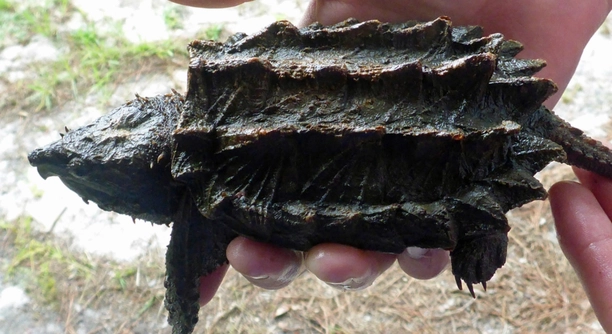
Alligator snapping turtles have long fascinated both wildlife enthusiasts and casual observers. However, several misconceptions about these ancient reptiles continue to spread. Let’s explore some of these myths and uncover the truths behind them.
There are many myths surrounding alligator snapping turtles, from their behavior to their diet. These myths often exaggerate their aggression and intelligence. In reality, they are shy, slow-moving creatures that primarily rely on their camouflage and patience to catch prey.
Understanding these turtles’ true nature will help you separate fact from fiction. We will clarify the most common myths and provide insights into the real characteristics of these fascinating creatures.
Myth 1: Alligator Snapping Turtles Are Highly Aggressive
Alligator snapping turtles are often seen as fierce predators. Their sharp beaks and large size lead some people to believe that they are aggressive. However, this is far from the truth. These turtles are known for their calm demeanor and slow movements. While they can defend themselves if provoked, they are generally not aggressive by nature. They prefer to remain hidden in their habitats, waiting for prey to come near rather than chasing after it. Their primary defense mechanism is their ability to camouflage, allowing them to remain undetected.
In fact, they spend most of their time submerged, only emerging to lay eggs. They are solitary creatures, and when faced with danger, they rely on their environment for protection rather than attacking. Alligator snapping turtles are far more passive than many people realize.
Understanding their true nature helps in respecting their space. They don’t seek conflict and prefer solitude. It’s important to avoid disturbing them in their natural environment to ensure they remain undisturbed.
Myth 2: They Can Live for Hundreds of Years
There is a common belief that alligator snapping turtles can live for centuries. While they do have long lifespans, they don’t live as long as some other turtle species. On average, these turtles live for around 30 to 50 years in the wild. Some have been known to live longer in captivity, but the idea that they live to be hundreds of years old is simply a myth.
Turtles, in general, have a slow metabolism, which contributes to their longevity. However, factors such as habitat quality, food availability, and human interference play significant roles in determining their life expectancy. By better understanding these turtles, we can appreciate their natural lifespan without exaggerating their age.
Myth 3: Alligator Snapping Turtles Are the Largest Turtle Species
While alligator snapping turtles are among the largest freshwater turtles, they are not the biggest. That title belongs to the leatherback sea turtle, which can weigh over 2,000 pounds. The alligator snapping turtle typically weighs around 200 pounds. Although impressive in size, they are not the largest in the turtle world.
Their large size is often exaggerated due to their intimidating appearance. These turtles are heavy and have a broad, rugged shell that makes them look larger than they really are. Despite their size, they are not built for speed, and they use their size primarily for defense.
Their large size is beneficial in other ways as well. It helps them store energy and stay submerged for long periods. In their slow-moving, aquatic lifestyle, size provides them with the advantage of being less vulnerable to small predators. This helps them thrive in their habitats.
Myth 4: They Are Strictly Carnivores
Many believe alligator snapping turtles only eat meat. While they are primarily carnivorous, their diet is more diverse than most assume. These turtles enjoy eating fish, amphibians, and smaller reptiles, but they also consume plants and detritus on occasion. Their diet varies based on availability and habitat.
The alligator snapping turtle’s eating habits are quite opportunistic. In the wild, they will eat whatever comes within reach, whether it’s live prey or decaying matter. They are known to have a unique feeding strategy, where they lure prey in with their worm-like tongue. This method helps them catch prey without expending much energy.
These turtles are also known to consume algae, aquatic plants, and other organic materials. Although their primary diet consists of meat, they are not strictly carnivores and can adapt to available food sources in their environment. Their eating habits help maintain a balanced ecosystem.
Myth 5: Alligator Snapping Turtles Are Endangered Everywhere
Alligator snapping turtles are not universally endangered. While they face threats in certain regions due to habitat loss and illegal hunting, their population is stable in other areas. The species is listed as vulnerable rather than critically endangered, and efforts are underway to protect their habitats.
In some parts of their range, they are more abundant. Conservation programs are helping improve their numbers. However, habitat destruction, pollution, and illegal harvesting for the pet trade still pose risks. It’s essential to support these programs to protect the species and keep their populations stable in the wild.
Myth 6: They Can Survive in Any Water Condition
Alligator snapping turtles are not adaptable to any water conditions. While they are quite resilient, they need specific environments to thrive. They prefer slow-moving rivers, lakes, and ponds with muddy or sandy bottoms. Poor water quality can impact their health and survival.
Water pollution, particularly in urbanized areas, can lead to a decline in their numbers. Clean, fresh water is essential for their well-being, and contamination from chemicals or waste can lead to diseases or reproductive issues. Their sensitivity to water conditions is a key factor in their survival.
Myth 7: They Are Slow and Weak Swimmers
Alligator snapping turtles are often thought of as sluggish swimmers, but they are capable of moving efficiently through the water when necessary. While they don’t swim as fast as some other turtles, they can swim for long distances and dive deep when needed.
Their strength comes from their strong limbs and ability to maneuver through the water with little effort. They can stay submerged for hours at a time, which helps them hunt and avoid predators. Despite their slow movements on land, they are much more agile in the water.
FAQ
Do alligator snapping turtles make good pets?
While alligator snapping turtles can be kept as pets, they are not the best choice for beginners. They require a large tank with both land and water areas, as well as specific temperature and filtration conditions. Their diet is also complex, requiring a mix of protein and plant matter. Additionally, they have long lifespans and can grow quite large, which can be difficult to manage. They also require a lot of attention to ensure they thrive.
How big do alligator snapping turtles get?
Alligator snapping turtles can grow quite large, with some reaching up to 26 inches in length and weighing over 200 pounds. However, most adults are smaller, averaging around 18 to 25 inches in shell length. Their large size can make them intimidating, but they are typically slow-moving creatures. Their size allows them to store energy and stay submerged for long periods.
How long do alligator snapping turtles live?
In the wild, alligator snapping turtles typically live between 30 to 50 years. However, in captivity, with proper care, they can live even longer. Their long lifespan is due to their slow metabolism and adaptability to their environment. Providing a stable habitat with clean water, adequate food, and proper temperatures will help extend their life.
Are alligator snapping turtles dangerous to humans?
Alligator snapping turtles are not typically dangerous to humans. They are shy and reclusive by nature, often preferring to stay hidden in their habitat. However, their sharp beaks can inflict painful bites if they feel threatened. It’s important to avoid handling them, as they can be defensive if provoked. While they are not naturally aggressive, it is best to keep a safe distance.
How do alligator snapping turtles hunt for food?
Alligator snapping turtles are ambush predators. They use a unique technique to catch prey by lying motionless at the bottom of the water and using a specialized lure in their mouths. Their tongue has a worm-like appendage that they wiggle to attract fish and other prey. When the prey approaches, the turtle snaps its jaws shut quickly to catch it. This method helps them conserve energy while waiting for food to come to them.
What do alligator snapping turtles eat?
Alligator snapping turtles are primarily carnivores but have a varied diet. They mostly eat fish, amphibians, and smaller reptiles. However, they also consume aquatic plants, algae, and detritus when animal food is scarce. In captivity, they can be fed a mix of protein-rich foods, such as fish, worms, and insects, as well as vegetables. Their eating habits are opportunistic, and they will eat whatever they can catch or find.
Are alligator snapping turtles endangered?
Alligator snapping turtles are listed as vulnerable, not endangered, but their populations are at risk in certain areas due to habitat destruction, pollution, and illegal hunting. Conservation efforts are in place to help protect their habitats and ensure their survival. Legal protection and habitat restoration are essential to preserving their numbers in the wild.
What is the lifespan of an alligator snapping turtle in captivity?
In captivity, with proper care, alligator snapping turtles can live up to 70 years or more. Their long lifespan is possible because they have controlled environments, such as clean water, a balanced diet, and protection from predators. A well-maintained habitat with the right temperature and filtration can help them live long, healthy lives.
Do alligator snapping turtles migrate?
Alligator snapping turtles do not migrate like some other turtle species. They remain in the same area for most of their lives. However, they may move to different parts of their habitat to find food or suitable nesting sites. During breeding season, they may travel short distances to find mates, but their movements are generally limited to their immediate environment.
Can alligator snapping turtles live in ponds?
Yes, alligator snapping turtles can live in ponds, but the pond must meet certain requirements. They need a pond with a muddy or sandy bottom, as well as areas for both swimming and basking. The water should be clean and well-filtered to prevent contamination. Ponds should also have a sufficient food supply, such as fish, amphibians, and plants.
Do alligator snapping turtles hibernate?
Alligator snapping turtles are cold-blooded, meaning they are sensitive to temperature changes. In colder climates, they may enter a form of hibernation called brumation, where they become less active during the winter months. They typically burrow into the mud or find shelter to stay warm during this period. In warmer climates, they remain active year-round.
How do you know if an alligator snapping turtle is healthy?
A healthy alligator snapping turtle will have clear, bright eyes, a smooth shell, and normal, active behavior. Their shells should be free of cracks or signs of disease, and their limbs should move without difficulty. Healthy turtles are alert and move around their environment, eating regularly. If a turtle is lethargic, has discharge from its eyes or nose, or refuses to eat, it may be sick and need veterinary attention.
Final Thoughts
Alligator snapping turtles are fascinating creatures with unique characteristics and behaviors. They are often misunderstood due to common myths that surround them. While they may appear intimidating because of their size and powerful jaws, they are generally shy and prefer to stay hidden in their natural habitats. Understanding these turtles and their true nature is essential for appreciating their role in the ecosystem and ensuring their conservation.
Despite facing threats like habitat loss, pollution, and over-hunting, alligator snapping turtles are not entirely at risk of extinction. Conservation efforts have helped maintain their populations, especially in areas where they are most vulnerable. However, it’s important for people to continue supporting these efforts by respecting their natural environment and following local regulations to protect these turtles. As long as their habitats remain intact and conservation programs continue, alligator snapping turtles can thrive.
For those interested in keeping alligator snapping turtles as pets, it’s crucial to understand the level of care they require. They are not suitable for beginners due to their specific needs in terms of space, diet, and water conditions. While they can be fascinating to observe, these turtles require a significant commitment to ensure their health and well-being. Whether in the wild or in captivity, alligator snapping turtles deserve our respect and protection to ensure they continue to play their part in the ecosystem for years to come.

Hello,
If you enjoy the content that we create, please consider saying a "Thank You!" by leaving a tip.
Every little bit helps us continue crafting quality advice that supports the health, happiness, and well-being of pets around the world, for pets of all shapes, sizes, and species.
We really appreciate the kindness and support that you show us!