
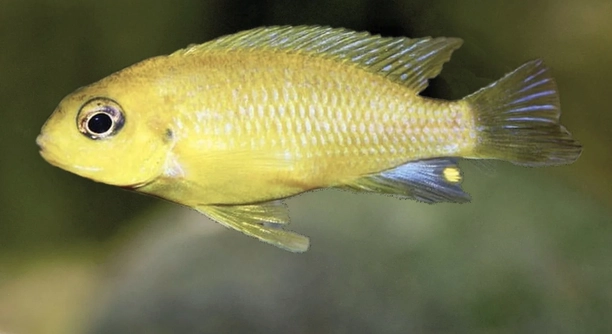
African cichlids are popular fish for many aquarium enthusiasts. They are known for their bright colors and interesting behaviors. However, there are many common myths about these fish that can cause confusion for hobbyists.
Many myths about African cichlids exist due to misinformation. These myths include false beliefs about their care, behavior, and compatibility with other fish. Understanding the truth behind these myths can improve their care and help avoid common mistakes.
Knowing the facts about African cichlids can make your experience more enjoyable and successful. The following information will clarify some of the most common misunderstandings.
Myth 1: African Cichlids Are Aggressive by Nature
African cichlids often get labeled as aggressive fish, but this is an oversimplification. While some species do show territorial behavior, many are peaceful if kept in the right conditions. Aggression usually stems from stress, overcrowding, or lack of proper hiding spots in the tank. Providing enough space and creating territories with rocks or plants helps reduce conflicts. It’s important to understand each species’ temperament because not all cichlids behave the same. For example, Mbunas tend to be more territorial, while other types like peacocks are generally calmer. Proper tank management and choosing compatible species are key to minimizing aggression. Over time, many hobbyists find that their cichlids show more curiosity than hostility once they settle in their environment.
Aggression in African cichlids depends largely on environmental factors, not just species traits. Proper care is essential to balance their behavior.
Taking time to set up the tank correctly and selecting species that suit your space and experience level will improve your fish’s behavior and your satisfaction with them.
Myth 2: African Cichlids Can Only Live in Very Hard, Alkaline Water
African cichlids are often thought to require extremely hard and alkaline water exclusively, but this is not entirely true. These fish originate from the Great Rift Lakes, where water conditions vary. While many species prefer harder, alkaline water, some can adapt to a wider range of conditions. The key is to maintain stable water parameters rather than focusing solely on hardness or pH levels. Sudden changes in water chemistry are more harmful than moderate variations within their tolerance. Testing your water regularly and making gradual adjustments will help your cichlids thrive. Also, different species may have slightly different preferences, so researching specific needs is important. Most importantly, clean water with good filtration and regular maintenance matters more than extreme water hardness alone. Balancing these factors leads to healthier, happier fish.
Myth 3: African Cichlids Need Large Tanks Only
While larger tanks provide more space for African cichlids to establish territories, not every setup requires a huge aquarium. Smaller tanks can work if stocking is appropriate and care is taken to manage aggression and water quality. Tank size should match the species and number of fish.
Choosing the right size depends on species size and behavior. For example, smaller Mbunas can live comfortably in tanks around 30 gallons if there are plenty of hiding places and the number of fish is limited. Overcrowding in small tanks often leads to stress and aggression, so careful planning is necessary. It’s better to start with fewer fish and gradually increase if the environment supports them.
Many hobbyists successfully keep African cichlids in moderate-sized tanks with proper maintenance. Focus on good filtration, hiding spots, and compatible species to create a balanced habitat, even in smaller spaces.
Myth 4: African Cichlids Are Difficult to Breed
African cichlids can breed quite readily in home aquariums once their conditions are met. They are often mouthbrooders, meaning the female carries eggs and fry in her mouth, which offers protection but requires patience from the keeper. Proper diet, water quality, and a calm environment encourage breeding.
Providing flat rocks or caves simulates natural breeding sites, helping trigger spawning behaviors. Breeding pairs sometimes show aggression toward other tank mates during this period, so separating them or having plenty of space helps. Fry require small, nutritious food to grow well and thrive. With attention to their needs, breeding African cichlids is manageable even for those with limited experience.
Myth 5: African Cichlids Need Constant High Lighting
African cichlids do not require intense or constant bright lighting. Moderate lighting that mimics their natural environment is sufficient for their well-being. Too much light can stress the fish and promote algae growth.
A balanced lighting schedule of about 8 to 10 hours per day helps maintain healthy behavior and plant growth in the tank. Dimming lights during certain periods can create a more natural cycle, reducing stress for the fish.
Myth 6: African Cichlids Can Eat Any Fish Food
Not all fish foods are suitable for African cichlids. They require a diet high in protein and some vegetable matter, depending on the species. Feeding generic flakes or pellets may lead to poor health.
Specialized cichlid diets support their vibrant colors and natural behavior. Overfeeding or using improper food can cause digestive problems or obesity.
Myth 7: African Cichlids Can Live Peacefully with Any Other Fish
African cichlids are territorial and may not get along with all tank mates. Their behavior depends on species, tank size, and individual temperament. Mixing incompatible fish can lead to aggression and stress.
Careful selection and proper tank setup are essential to maintain harmony. Keeping similar-sized or similarly aggressive fish helps avoid conflicts.
FAQ
What is the best tank size for African cichlids?
The best tank size depends on the species and number of fish. A minimum of 30 gallons works for smaller cichlids, but larger or more aggressive species need 55 gallons or more. More space helps reduce aggression and provides room for territories.
How often should I change the water in my cichlid tank?
Regular water changes are important for cichlids. A weekly 20-30% water change keeps water clean and maintains stable conditions. Avoid drastic changes to prevent stress.
Can African cichlids live with other types of fish?
They can, but compatibility depends on the other fish’s temperament and size. Avoid mixing with small, timid fish as cichlids may bully them. Larger or similarly aggressive species are better companions.
What should I feed African cichlids?
A diet rich in protein and some plant matter is ideal. Use high-quality cichlid pellets, flakes, or frozen foods. Avoid overfeeding and offer varied food to keep them healthy and colorful.
How do I reduce aggression among my cichlids?
Provide plenty of hiding spots and enough space to establish territories. Avoid overcrowding and select species known to be less aggressive. Rearranging tank decorations occasionally can help reduce territorial disputes.
Why are my African cichlids not showing their true colors?
Poor water quality, stress, or improper diet can dull their colors. Ensure clean water, a balanced diet, and a calm environment. Sometimes color changes occur during breeding or aggression but usually improve with proper care.
How do I know if my cichlids are stressed?
Signs include hiding more than usual, loss of appetite, faded colors, or erratic swimming. Stress can come from poor water conditions, overcrowding, or aggressive tank mates. Addressing these issues quickly helps prevent illness.
Is it necessary to use a heater for African cichlids?
Yes, most African cichlids thrive in water between 74-82°F (23-28°C). A stable temperature is important, so a reliable heater is recommended, especially in cooler climates.
Can African cichlids live without a filter?
A filter is essential to maintain clean water and reduce toxins. African cichlids produce a lot of waste, so strong filtration and regular maintenance are necessary for their health.
How can I tell the sex of my African cichlids?
Sexing varies by species but usually males are more colorful and larger. Some species show physical differences like fin shape or body size. Observing behavior during breeding is another way to distinguish males from females.
African cichlids are fascinating fish that bring vibrant color and lively behavior to home aquariums. Understanding their care needs and dispelling common myths can help anyone create a healthy environment for them. These fish are not simply aggressive or difficult to keep, as many believe. With proper tank setup, compatible tank mates, and the right water conditions, they can thrive in various aquarium sizes. Knowing the truth behind common misconceptions allows hobbyists to provide better care and enjoy the unique traits these cichlids offer.
Providing a balanced diet and maintaining stable water parameters are essential steps in keeping African cichlids healthy. They need good filtration and regular water changes to stay in optimal condition. Lighting and tank decorations also play a role in reducing stress and promoting natural behaviors. While some species may require more specific conditions, many African cichlids adapt well to typical aquarium environments if their basic needs are met. Patience and attention to detail make all the difference in helping these fish show their full potential.
In summary, African cichlids are rewarding fish when cared for properly. Disregarding myths and focusing on facts ensures their well-being and longevity. It is important to research each species’ individual requirements and create an aquarium that supports their natural habits. Whether you have a small tank or a large one, these fish can provide enjoyment and beauty. Taking time to learn about their care needs leads to a more satisfying and successful aquarium experience.

Hello,
If you enjoy the content that we create, please consider saying a "Thank You!" by leaving a tip.
Every little bit helps us continue crafting quality advice that supports the health, happiness, and well-being of pets around the world, for pets of all shapes, sizes, and species.
We really appreciate the kindness and support that you show us!