
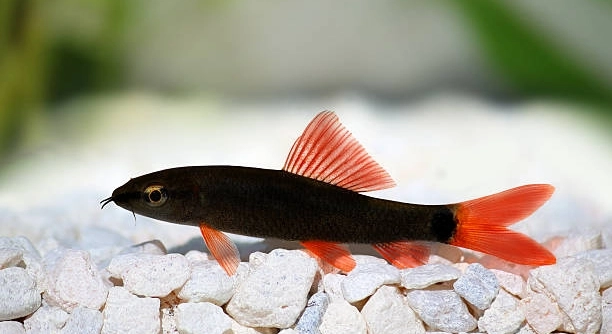
Are your rainbow shark’s colors fading, or do you notice signs of stress even though you’re doing everything by the book?
The most common mistakes people make with rainbow sharks include incorrect tank size, poor tankmate choices, and improper feeding routines. These errors can lead to territorial aggression, stress, and long-term health issues.
Learning what to avoid will help your rainbow shark stay healthy, active, and more peaceful in its aquarium home.
Your Tank Is Too Small
A common mistake with rainbow sharks is keeping them in a tank that’s too small. These fish need space to swim and claim territory. A cramped tank can cause stress and aggressive behavior, especially as they mature. Many people start with a 10 or 20-gallon tank, thinking it’s enough. However, rainbow sharks require at least a 55-gallon tank to thrive. This gives them enough room to explore and helps prevent conflicts with other fish. A larger tank also makes it easier to manage water quality, which plays a key role in their health. Even if your shark looks fine in a smaller tank now, it’s only a matter of time before problems arise. A proper tank size from the beginning can help you avoid a lot of trouble later on.
Rainbow sharks are active swimmers, and they need space not just for comfort but also for their natural behavior to show properly.
If your tank is under 55 gallons, it may be the reason your shark seems territorial or restless. A larger tank with open swimming areas and proper hiding spots can change their behavior dramatically. It also helps balance aggression if you plan to add other fish. Keep in mind, rainbow sharks grow up to six inches long. They need horizontal space more than vertical depth. Investing in a bigger tank now can improve their health, reduce stress, and make your setup easier to maintain in the long run. It also gives you flexibility with adding tankmates later on, as you’ll have more room to work with.
You Picked the Wrong Tankmates
Choosing tankmates that are too slow or too colorful can lead to stress or even injury in your rainbow shark. They often see these fish as competition.
Rainbow sharks are semi-aggressive by nature, and poor tankmate choices can make their behavior worse. Brightly colored or similar-shaped fish, like red-tailed sharks or other bottom dwellers, can trigger territorial responses. It’s best to avoid housing more than one rainbow shark in the same tank unless it’s extremely large. Peaceful mid-to-top swimmers like barbs, danios, or rasboras are generally a safer match. These fish don’t look like a threat and tend to stay out of the rainbow shark’s preferred space. It’s also smart to avoid slow-moving species like angelfish or guppies that may become easy targets. Monitor the tank during the first few weeks after adding new fish to catch any early signs of bullying or stress. Careful selection can make a big difference in keeping things calm.
You’re Overfeeding Your Rainbow Shark
Feeding too much can cause more harm than good. Uneaten food leads to poor water quality, and overfeeding puts stress on your shark’s digestive system, making them sluggish or prone to illness.
Rainbow sharks only need to be fed once a day, with a portion they can finish in under two minutes. A mix of sinking pellets, spirulina, and the occasional treat like bloodworms is enough. Overfeeding can cause bloating, constipation, and increased waste. If you notice food sitting at the bottom after meals, you’re probably giving too much. Try cutting back the amount or feeding every other day if needed. Watch for signs like slow movement or changes in color, which may point to digestive stress. Keeping a clean tank starts with controlled feeding. It’s not just about how often you feed, but how much your shark can actually handle and process.
Excess food breaks down in the tank, releasing ammonia that can disrupt the water balance. This often leads to bacterial spikes and algae growth, which puts pressure on your filter and harms your fish. Rainbow sharks are bottom feeders, but that doesn’t mean they’ll eat anything left behind. Food left sitting encourages bacteria, and the shark ends up living in dirty conditions. If you’re also feeding tankmates, it’s easy to misjudge the total amount going into the tank. The key is consistency—same time, same portion, and regular clean-up. Watch your fish during feeding to learn how much they eat, then adjust. This keeps your shark healthy and makes the tank easier to manage.
Your Water Parameters Are Off
Even small changes in pH, temperature, or ammonia can affect your shark’s behavior and health. They thrive in stable water conditions, and inconsistent levels can cause stress, illness, or unusual aggression.
Rainbow sharks prefer water temperatures between 72–82°F, with a pH between 6.5 and 7.5. Sudden shifts outside this range, often caused by overfeeding or skipping water changes, will leave them stressed or hiding. Use a reliable water test kit weekly to check levels for ammonia, nitrite, nitrate, and pH. Make sure your filter is working properly and clean it without disturbing beneficial bacteria. A consistent routine of partial water changes—around 25% each week—helps maintain balance. Always condition tap water before adding it to the tank. Don’t forget that even things like room temperature or a broken heater can affect the tank over time. Keeping parameters stable makes a noticeable difference in your shark’s energy and color.
Rainbow sharks are more sensitive than many people realize. If your shark is hiding more often, darting around, or refusing food, poor water conditions are often the reason. Fluctuating ammonia or pH levels can also trigger fin damage or secondary infections. It’s easy to assume water looks clean and leave it alone, but that doesn’t mean it’s balanced. Your filter helps, but it won’t do all the work on its own. Setting a weekly maintenance schedule helps you avoid surprises. Don’t rely only on visual checks—always test. Simple habits like wiping algae, vacuuming gravel, and replacing filter media when needed can go a long way in creating a healthier environment.
Your Tank Lacks Hiding Spots
Rainbow sharks need places to retreat when they feel stressed or want space. Without proper hiding spots, they can become aggressive or anxious, especially if there are other fish sharing the tank.
Use caves, driftwood, or dense plants to create areas where your shark can feel secure. These spots reduce tension and help manage territorial behavior.
You’re Keeping More Than One Rainbow Shark
Housing more than one rainbow shark in the same tank usually leads to fighting. They are highly territorial and do not tolerate others of their kind well, especially in average-sized home aquariums. Unless you have a tank that’s over 100 gallons with carefully structured hiding zones and line-of-sight blocks, it’s best to stick to one. Even if they seem peaceful when young, aggression often increases as they mature. Fights can lead to injury, stress, or death, and it’s hard to reverse once it starts. It’s safer to avoid the risk altogether by giving one shark the entire tank as its territory.
You’re Skipping Routine Maintenance
Skipping weekly water changes or filter checks leads to long-term problems. Your shark might look fine at first, but poor maintenance slowly harms their health and shortens their lifespan.
FAQ
How big do rainbow sharks get?
Rainbow sharks can grow up to 6 inches long when fully mature. They usually start out small, around 2 inches, which makes them seem like they will stay small. However, over time, they grow quickly, especially when kept in a large, clean tank with proper food. Giving them enough space is important so they can grow properly and feel less stressed as they get older.
What do rainbow sharks eat?
They are omnivores, which means they eat both plant-based and protein-rich foods. Sinking pellets designed for bottom feeders work well as a staple. You can also add in frozen bloodworms, brine shrimp, and spirulina flakes. Try not to feed only one type of food. A varied diet helps keep their immune system strong and their colors bright. Feeding small portions once a day is usually enough.
Can rainbow sharks live with other fish?
Yes, but you have to choose carefully. Avoid other bottom dwellers or fish with a similar shape or color. Good tankmates include active, mid-level swimmers like barbs, danios, or rainbowfish. These types stay out of the shark’s territory and are fast enough to avoid unwanted attention. Always watch new fish closely during the first few days.
Why is my rainbow shark hiding all the time?
Hiding can be normal, especially during the day. However, if your shark is constantly hiding, it may be stressed. Common reasons include poor water conditions, lack of hiding spots, or an overcrowded tank. Check the water parameters first. If everything looks good, try adding more caves or plants. This makes them feel more secure.
Can I keep more than one rainbow shark in the same tank?
It’s not recommended. Rainbow sharks are very territorial and usually fight when kept together, even in large tanks. Fights can lead to injuries or stress-related illness. Some people try to keep multiple sharks in tanks over 100 gallons, with lots of plants and hiding zones, but even then, it’s risky. One per tank is the safest option.
How long do rainbow sharks live?
They can live up to 8 years in a well-maintained tank. Clean water, proper feeding, and a stress-free environment all help extend their lifespan. If they’re constantly exposed to bad water or poor tankmates, they may only live a few years. A good setup from the start makes a big difference.
Why is my rainbow shark chasing other fish?
Chasing is a sign of territorial behavior. This often happens in tanks that are too small or lack enough hiding areas. It can also happen if the tankmates are too slow or look similar to the rainbow shark. Adding space and line-of-sight blocks, like plants or decorations, can reduce the chasing.
How often should I clean the tank?
Do a partial water change (around 25%) every week. Clean the filter media monthly, but don’t scrub it too much or you’ll remove the beneficial bacteria. Vacuum the gravel and wipe off algae from the glass. Keeping a routine helps avoid water problems that could affect your shark’s health.
Can rainbow sharks jump out of the tank?
Yes, they can. They’re strong jumpers, especially when startled or stressed. Always keep a lid or cover on your tank. A secure top will prevent accidents, especially if your tank is near noise or movement that might startle the fish.
Why is my rainbow shark turning pale?
Pale coloring often means stress. This could be from poor water quality, bad diet, or aggression from tankmates. Test the water, adjust feeding, and make sure the tank setup allows the shark to have enough territory and hiding spots. Once conditions improve, their color usually comes back.
Final Thoughts
Caring for a rainbow shark takes time, attention, and the right setup. While they are a hardy fish in many ways, they still need specific conditions to live a healthy and peaceful life. A tank that’s too small, the wrong tankmates, or poor water quality can quickly lead to stress, aggression, and illness. Many people make these mistakes without realizing it, especially if the fish seems fine at first. But over time, these small issues can turn into bigger problems. That’s why it’s important to learn what your rainbow shark needs from the beginning and adjust your tank setup as they grow.
These fish are beautiful and active, and they tend to stand out in any aquarium. But they are not the best fit for every setup. Rainbow sharks need room to swim and hide, and they don’t usually do well with other bottom-dwelling or slow-moving fish. They are best kept on their own or with carefully selected tankmates that won’t invade their space. Feeding them properly and keeping the tank clean will go a long way in keeping them healthy. Simple habits like regular water changes, checking the filter, and not overfeeding can make a big difference in their overall well-being.
Even if you’ve made a few mistakes already, it’s not too late to correct them. Start by checking your tank size, reviewing your maintenance routine, and watching how your rainbow shark interacts with other fish. Making small changes, like adding hiding spots or testing water more often, can improve the environment quickly. Rainbow sharks can live for several years when cared for properly, so it’s worth putting in the effort. With a stable tank, the right food, and a bit of observation, you can enjoy a colorful and active fish that brings life to your aquarium without unnecessary stress or issues.

Hello,
If you enjoy the content that we create, please consider saying a "Thank You!" by leaving a tip.
Every little bit helps us continue crafting quality advice that supports the health, happiness, and well-being of pets around the world, for pets of all shapes, sizes, and species.
We really appreciate the kindness and support that you show us!