
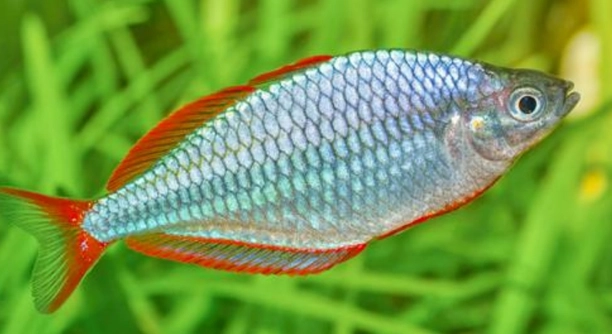
Setting up a rainbow fish tank can be exciting, but it’s easy to make mistakes that could affect the health of your fish. Common setup errors are often overlooked, which can lead to long-term problems in the tank.
The most common mistakes in setting up a rainbow fish tank include poor water conditions, overcrowding, improper lighting, and incorrect tank decorations. These issues can stress the fish, leading to health problems or even death. Addressing these factors ensures a healthier environment.
Knowing these common errors will help prevent setbacks in your aquarium. Proper care and attention will create a thriving environment for your rainbow fish.
Mistake 1: Poor Water Conditions
Water quality is crucial for the well-being of rainbow fish. Having unbalanced water, whether too acidic or too alkaline, can cause stress. Improper pH levels, ammonia, or nitrate spikes can damage their immune systems. Ensure regular water testing and maintenance to prevent these issues.
Keeping the tank clean is equally important. Remove waste and debris regularly, as they contribute to the build-up of toxins. A good filtration system also helps maintain the water’s health. Regular water changes, especially when fish are introduced, ensure the environment stays stable.
By maintaining clean and properly balanced water, you provide a safe habitat for your rainbow fish. This can prevent many health issues, keeping the fish vibrant and active. Keep an eye on the temperature as well, as rainbow fish prefer stable, warm water between 75°F and 80°F.
Mistake 2: Overcrowding the Tank
Overcrowding your tank can be tempting, but it creates stress and competition for space and resources. Rainbow fish need enough room to swim and establish territories. A cramped tank leads to aggressive behavior, making them vulnerable to illness.
Crowded tanks also raise the risk of water contamination. With more fish, waste accumulates faster, leading to a faster buildup of toxins. This makes water changes and filtration even more essential. Fish can suffer from lowered oxygen levels, affecting their health.
Providing adequate space reduces stress and promotes healthier fish. Keep in mind that each rainbow fish needs about 10 gallons of water. The right number of fish allows them to thrive while maintaining a stable, clean environment.
Mistake 3: Incorrect Tank Decorations
Decorations can enhance the aesthetic of the tank, but the wrong type can harm rainbow fish. Sharp objects or rough surfaces can injure their delicate fins. Avoid items that may create hiding spots, as rainbow fish are social and prefer to swim freely.
Choose decorations that offer hiding spots but are smooth to the touch. Rocks or plants with sharp edges should be replaced with soft, rounded alternatives. Substrate should be smooth and not overly coarse, as it can irritate the fish’s skin.
Also, plants are essential in the tank. Live plants help maintain water quality and provide hiding spaces, allowing rainbow fish to feel secure while swimming. Ensure the plants are safe and won’t harm the fish.
Mistake 4: Improper Lighting
Rainbow fish thrive in well-lit tanks that mimic their natural habitat. Too much light can lead to algae growth, while too little light can cause stress and discourage their natural behaviors.
Proper lighting encourages rainbow fish to stay active and colorful. A consistent light cycle, around 10 to 12 hours of light per day, is ideal. Avoid leaving the light on all the time, as this disrupts their circadian rhythm and can make them more susceptible to stress.
Ensure the lighting system is not too intense, as this can lead to overheating, which also affects water quality. Adjust the light as needed to balance the brightness and temperature.
Mistake 5: Incompatible Tank Mates
Rainbow fish are peaceful, but they can struggle with aggressive tank mates. Choosing the wrong fish can lead to bullying or competition for space and food, causing stress. It’s best to pair them with other peaceful species.
Avoid aggressive or territorial fish that may stress your rainbow fish. Stick to tank mates that have similar care needs, such as temperature and water conditions. Make sure everyone in the tank has enough room to establish their own space.
Introducing incompatible fish can lead to unnecessary tension. Consider peaceful, slow-moving species like tetras or other community fish to keep the environment calm.
Mistake 6: Inconsistent Feeding
Rainbow fish need a balanced diet, and overfeeding or underfeeding can cause health problems. Offering too much food leads to poor water quality, while insufficient feeding can result in malnutrition.
Stick to a regular feeding schedule, offering small portions twice a day. Avoid leaving excess food in the tank, as this contributes to water contamination. Variety is important—feed them high-quality flake foods, frozen or live foods, and occasional vegetable matter to ensure they get all the nutrients they need.
It’s crucial not to overfeed, as uneaten food will decompose, raising ammonia levels in the tank.
FAQ
What size tank is best for rainbow fish?
Rainbow fish need space to swim freely, and a 30-gallon tank is the minimum size recommended. Larger tanks are always better, especially if you plan on adding more fish. The more room they have, the less stressed they will be, and it will help maintain water quality.
Can rainbow fish live with other species?
Yes, rainbow fish can live with other peaceful species. Choose tank mates that share similar water conditions and temperaments. Fish like tetras, gouramis, and corydoras are good choices. Avoid aggressive or territorial fish, as they may cause stress.
How often should I change the water in a rainbow fish tank?
Regular water changes are essential to keep your tank healthy. Aim for a 25% water change every 2 weeks, or more often if the tank is overstocked. Always test the water quality before changing it to ensure the water parameters are in good condition.
What do rainbow fish eat?
Rainbow fish are omnivores, and their diet should include a variety of foods. Offer high-quality flake foods, pellets, and live or frozen foods such as brine shrimp, daphnia, or bloodworms. Occasional plant matter, like spinach or peas, can also be included.
What temperature do rainbow fish need?
Rainbow fish prefer warm water, with an ideal temperature range between 75°F and 80°F (24°C to 27°C). Keeping the temperature stable is important for their health. Use a reliable aquarium heater to maintain a consistent temperature.
How can I tell if my rainbow fish is stressed?
Signs of stress in rainbow fish include rapid swimming, faded colors, hiding, or refusal to eat. Stress is often caused by poor water conditions, overcrowding, or incompatible tank mates. Identifying the cause of stress quickly can prevent long-term health issues.
Are rainbow fish hardy?
Rainbow fish are relatively hardy and can adapt to various water conditions. However, they still require stable, clean water and proper care. They are less tolerant of poor water quality than some other species, so maintaining good tank hygiene is essential.
Can I keep rainbow fish in a tank with plants?
Yes, rainbow fish thrive in tanks with live plants. Plants provide hiding spots, help maintain water quality, and give the fish a more natural environment. Just make sure the plants are safe for the fish and won’t harm them with sharp edges.
Why are my rainbow fish losing their color?
Rainbow fish can lose their vibrant colors if they are stressed, sick, or living in poor water conditions. Check for any signs of illness and address any water quality issues. Providing a stable environment and appropriate diet will help restore their natural color.
How long do rainbow fish live?
Rainbow fish typically live for 5 to 8 years with proper care. Maintaining good water quality, a balanced diet, and a stable environment can extend their lifespan. Some species, like the Boesemani rainbow fish, can live up to 10 years in ideal conditions.
Do rainbow fish need a filter?
Yes, a filter is essential for keeping the water clean and free of toxins. Rainbow fish need a well-filtered tank to maintain water quality, which is vital for their health. Make sure the filter is suitable for the tank size and provides gentle water movement, as rainbow fish prefer calm water.
Are rainbow fish easy to breed?
Breeding rainbow fish can be challenging, but it is possible. They are egg layers, and they will need a separate breeding tank with soft, slightly acidic water. Provide plenty of plants for them to lay eggs on. After hatching, the fry should be fed infusoria or powdered fry food.
Do rainbow fish need a lid on their tank?
Yes, rainbow fish can jump, so it’s recommended to keep a secure lid on their tank. A lid helps prevent accidents and ensures the fish stay safe inside the tank. A mesh lid works well as it provides ventilation while keeping the fish contained.
How can I improve the color of my rainbow fish?
To enhance the color of your rainbow fish, provide a balanced diet, including high-quality foods rich in carotenoids, which help boost color. Also, ensure they have a proper environment with clean water, stable temperatures, and enough space. Reducing stress will also help maintain their vibrant hues.
Can rainbow fish live in cold water?
Rainbow fish are tropical fish and do best in warm water. They are not suited for cold water environments and will not thrive in temperatures below 70°F (21°C). If kept in colder water, they may become lethargic and more susceptible to disease.
What is the best substrate for rainbow fish?
Rainbow fish prefer a soft, smooth substrate. Sand or fine gravel works best, as it doesn’t irritate their delicate bodies. Avoid sharp-edged substrates, as they can cause injury. The substrate should be kept clean to maintain water quality.
How many rainbow fish should I keep together?
Rainbow fish are social and do best in groups. A group of at least 6 to 8 fish is ideal, as they feel more secure and will display more natural behavior. Keeping them in small groups may cause stress, leading to aggressive tendencies.
Can I use tap water for my rainbow fish tank?
Tap water can be used, but it’s important to test it first for any harmful chemicals, such as chlorine or chloramine. If necessary, treat the water with a dechlorinator before adding it to the tank. Regular water testing will help ensure the water stays safe for your fish.
Why are my rainbow fish not eating?
If your rainbow fish are not eating, it could be due to stress, poor water quality, or a lack of variety in their diet. Check the water parameters and ensure the tank is not overcrowded. Offering different types of food may also encourage them to eat.
Are rainbow fish easy to care for?
Rainbow fish are relatively easy to care for compared to other species, but they still require proper water conditions, a balanced diet, and a peaceful environment. With the right setup, they can thrive and live a long, healthy life.
Final Thoughts
Setting up a rainbow fish tank can be a rewarding experience, but it comes with responsibilities. These fish require stable water conditions, a proper diet, and compatible tank mates to thrive. Ensuring that their environment meets these needs will lead to a healthier and more vibrant tank. While rainbow fish are generally hardy, they do best when their basic care requirements are met consistently. Water quality is key to keeping them healthy, so regular water changes, monitoring water parameters, and maintaining a proper filtration system are essential.
Understanding the common mistakes in tank setup can help prevent unnecessary stress or health issues. Overcrowding, improper water conditions, or incompatible tank mates can cause significant problems for your rainbow fish. Proper tank size is also important, as these fish need room to swim and explore. It’s essential to avoid overfeeding, as uneaten food can lead to water quality issues, affecting the overall health of your tank. A balanced, varied diet and regular feeding schedule will keep your rainbow fish active and colorful.
In the end, caring for rainbow fish requires patience and attention to detail. By paying attention to their specific needs and avoiding common mistakes, you can create a thriving environment for them. The effort you put into their care will be rewarded with healthy, active fish that bring color and life to your aquarium. Whether you’re a beginner or an experienced aquarium keeper, understanding these key factors will help you build a tank that both you and your rainbow fish will enjoy.

Hello,
If you enjoy the content that we create, please consider saying a "Thank You!" by leaving a tip.
Every little bit helps us continue crafting quality advice that supports the health, happiness, and well-being of pets around the world, for pets of all shapes, sizes, and species.
We really appreciate the kindness and support that you show us!