
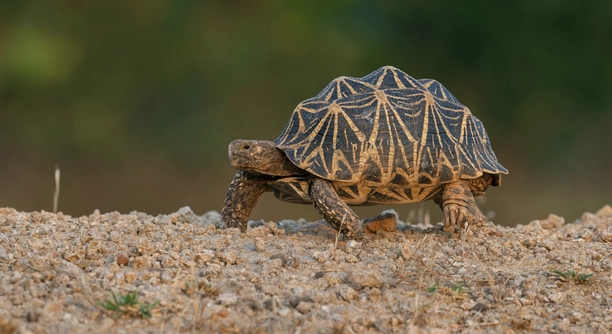
Setting up the right environment for your Indian Star Tortoise is essential for its well-being. These reptiles thrive in a properly designed habitat, but getting it just right can be tricky.
Common mistakes when setting up an Indian Star Tortoise tank include incorrect humidity levels, improper substrate, poor lighting, and insufficient space. These errors can lead to health issues, affecting your tortoise’s behavior and longevity.
Each aspect of their tank requires careful attention. Proper adjustments can ensure your tortoise stays happy and healthy.
Mistake 1: Incorrect Humidity Levels
Humidity is crucial for Indian Star Tortoises, as it helps maintain their health and comfort. Without the right moisture level, your tortoise can suffer from dehydration, skin issues, and respiratory problems. The tank should have a humidity level between 50% and 70%. Too much moisture can lead to fungal infections, while too little can cause dehydration. This balance is essential to keep your tortoise’s skin hydrated and prevent shedding problems. You can use a hygrometer to monitor the humidity, and adding a shallow water dish can help with hydration. Mistakes in managing humidity can also affect their appetite and general behavior.
Proper humidity is not just about keeping the tank moist; it’s about consistency. Regularly check the humidity levels throughout the day, especially if your tortoise is kept in a particularly dry or hot room. Consider adding a humidifier if you live in a dry climate. This small investment can save you a lot of stress later on.
To avoid issues with humidity, you’ll want to create areas in the tank where your tortoise can experience different moisture levels. A slightly wetter spot helps with hydration, but a dry area is just as important for your tortoise’s well-being. If the humidity is too high, it could lead to mold or damp bedding. Too low, and your tortoise may become dehydrated, leading to health complications. Finding the right balance will give your tortoise the best possible environment.
Mistake 2: Wrong Substrate Choice
Substrate choice is more important than it seems. Using sand or gravel can cause issues like impaction if swallowed. Instead, opt for a safe, absorbent material such as coconut coir, which will mimic the tortoise’s natural environment.
A good substrate should be easy to clean and should not pose any health risks. Coconut coir is gentle on their feet, reduces the risk of impaction, and can help maintain humidity levels. Choosing a substrate that encourages natural behavior, such as digging, can provide your tortoise with an enriching habitat. Just make sure to replace the substrate regularly to prevent bacteria growth.
Mistake 3: Insufficient Space
Not providing enough space can stress your tortoise, affecting its health. A cramped tank limits movement and can cause behavioral problems like aggression or lethargy. Make sure your tank is at least 4x the length of your tortoise. Larger is better, as it allows for more natural movement.
Tortoises are active and need room to roam, so a small tank simply isn’t ideal. If your space is limited, consider expanding their enclosure as much as possible. The more room your tortoise has, the happier and healthier it will be. Ensure it has different areas to explore: a basking spot, a cooler area, and a hiding place.
It’s essential that the tortoise has access to space to roam, dig, and eat freely. A small, confined area can cause frustration and hinder its natural behavior. You want to create an environment where your tortoise feels comfortable and free to engage in natural activities. When it feels cramped, it may even refuse to eat or be active, which could affect its overall health.
Mistake 4: Inadequate Lighting
Inadequate lighting is a common mistake. Tortoises need UVB light to help them produce vitamin D3, which is essential for calcium absorption. Without proper UVB lighting, your tortoise may develop metabolic bone disease. This condition weakens bones and can lead to serious health issues.
UVB lighting should be placed over the basking area to mimic sunlight, and the light should be replaced every 6 months. Ensure the UVB light is close enough to provide proper exposure but not too close to cause overheating. Regularly monitor the temperature in the tank, as proper heat is equally important to provide the necessary warmth for digestion. Without proper lighting, your tortoise’s bones may become weak and brittle over time.
A consistent light cycle is also important. Tortoises rely on day-night cycles to regulate their internal clocks. Provide around 12 hours of light and 12 hours of darkness daily. Failing to maintain a consistent light schedule can lead to stress or confusion for your tortoise, impacting its overall health.
Mistake 5: Poor Diet
A poor diet can lead to nutritional deficiencies, which affect the tortoise’s overall health. Ensure a well-balanced diet with fresh greens, vegetables, and occasional fruit. Avoid feeding them too many high-oxalate or high-phosphorus foods, as they can cause kidney or bladder problems.
A balanced diet with the right variety of foods is key. Leafy greens such as dandelion greens, collard greens, and mustard greens are great staples. Avoid iceberg lettuce and processed foods. You can also supplement their diet with small amounts of edible flowers and grasses. Providing proper nutrition is essential for growth, shell health, and proper digestion.
Mistake 6: Improper Temperature Gradient
Tortoises need a temperature gradient in their tank, meaning a warm side and a cooler side. Without this range, your tortoise can become stressed, leading to digestive and metabolic issues.
Ensure that the warm side reaches 90-95°F, while the cooler side should stay around 75-80°F. The warm side allows your tortoise to bask, which helps with digestion and overall health. The cooler side provides a resting area when your tortoise needs to lower its body temperature.
Mistake 7: Lack of Hiding Spots
Your tortoise needs areas where it can feel safe and secure. Without hiding spots, your tortoise may become anxious and stressed. Always include a hide box in its enclosure.
FAQ
How often should I clean my Indian Star Tortoise tank?
Cleaning the tank should be done regularly to maintain a healthy environment. It’s recommended to clean the tank fully every 2-3 weeks. In between, spot clean the substrate, water dish, and any waste. Make sure to replace the substrate and disinfect the tank with non-toxic cleaners. Keeping the tank clean helps prevent bacteria buildup, mold, and other harmful pathogens that could affect your tortoise’s health.
What type of light do I need for my Indian Star Tortoise?
Your tortoise needs both UVA and UVB lighting. UVA light helps with their overall health and activity, while UVB light is essential for the tortoise to synthesize vitamin D3 and absorb calcium. A combination bulb that provides both UVA and UVB is ideal. Place the light over the basking spot, ensuring that it’s not too close to avoid overheating but close enough to provide adequate exposure. Replace the bulb every 6 months to ensure it is still effective.
Can I use regular sand as a substrate?
It’s not advisable to use regular sand as a substrate. Although some tortoises in the wild may encounter sandy areas, using it in a tank can pose a risk of impaction if the tortoise eats it. Instead, use a safe substrate like coconut coir, which is soft, absorbent, and less likely to cause harm. If your tortoise eats a little of the substrate, coconut coir is far safer than sand.
How do I prevent my tortoise from becoming dehydrated?
To prevent dehydration, provide a shallow water dish large enough for your tortoise to soak in. Always keep the water fresh and clean. Some tortoises drink less often, so soaking them a couple of times a week can help. Make sure the humidity level in the tank is appropriate, as dry air can contribute to dehydration. Providing a humid hide area also helps. Dehydration can lead to severe health issues, so keeping track of water intake and humidity is essential.
How do I handle my Indian Star Tortoise?
Handling your tortoise should be minimal. These animals are not particularly social and prefer to be left alone. When you do handle them, be gentle and support their entire body to avoid stress or injury. Avoid picking them up by their legs or tail. If your tortoise is not used to being handled, it may get stressed, which could lead to health issues. Allow your tortoise to explore its environment naturally instead of forcing interactions.
What should I do if my tortoise is not eating?
If your tortoise refuses to eat, check the temperature and humidity of the tank. Incorrect conditions can cause a loss of appetite. Also, make sure that the food you are offering is fresh and appropriate. Tortoises can sometimes go off food due to stress, illness, or changes in the environment. If your tortoise hasn’t eaten in a few days or shows signs of lethargy, it’s best to consult a veterinarian.
Can my tortoise live in an outdoor enclosure?
Yes, Indian Star Tortoises can live outside if the climate is suitable. They need a secure, sheltered enclosure where they can roam freely in a temperature range of 75-95°F. Ensure the area has safe hiding spots, access to fresh water, and a shaded area for basking. An outdoor enclosure also allows them to experience natural sunlight, which is excellent for their health. Just be sure to monitor the temperature and humidity, as extreme weather conditions can be dangerous.
What should I do if my tortoise’s shell looks damaged?
If you notice cracks or damage to your tortoise’s shell, seek professional veterinary care immediately. Minor scratches can heal on their own, but deep cracks or injuries can lead to infections if not treated. Make sure your tortoise’s environment is clean and free of sharp objects that could cause harm. A proper diet with adequate calcium and UVB exposure can help strengthen their shells over time.
Is it necessary to provide UVB light even if I’m keeping my tortoise indoors?
Yes, UVB light is essential for your tortoise, even if it’s kept indoors. Without UVB light, tortoises cannot produce the vitamin D3 needed for calcium absorption, leading to metabolic bone disease. Use a UVB light specifically designed for reptiles, and make sure it reaches the basking area. Even if your tortoise is not exposed to natural sunlight, providing the right artificial UVB light ensures proper bone health and overall well-being.
Can I feed my tortoise fruits every day?
Fruits should be given sparingly. They are high in sugar, which can cause digestive issues if fed too frequently. Offer fruits as an occasional treat rather than a regular part of the diet. Stick to vegetables and leafy greens as the main staples, as they provide the necessary nutrients for your tortoise’s health. When feeding fruit, ensure it’s fresh, and remove any uneaten portions to prevent mold from forming.
What are the signs that my tortoise is sick?
If your tortoise is sick, you may notice changes in its behavior, such as a lack of appetite, lethargy, or excessive hiding. Its shell may appear soft or swollen, and there may be discharge from the nose or eyes. Check for abnormal breathing or trouble moving, as these could indicate respiratory or digestive problems. If you observe any of these symptoms, it’s important to consult a reptile veterinarian as soon as possible to get a proper diagnosis and treatment plan.
How do I know if my tortoise is too hot or too cold?
If your tortoise seems to be lethargic, not moving much, or seeking out cooler areas constantly, it could be too hot. On the other hand, if it’s huddled in a corner or refusing to move, it might be too cold. Maintaining the proper temperature gradient is essential to prevent stress or health issues. Make sure the basking spot stays between 90-95°F, while the cooler side is about 75-80°F. Temperature extremes can cause metabolic problems and impact digestion.
Setting up a proper habitat for your Indian Star Tortoise is essential for its well-being. By avoiding common mistakes such as improper humidity, insufficient space, and inadequate lighting, you create an environment where your tortoise can thrive. The key is to maintain balance in temperature, humidity, and diet, and provide an enclosure that allows for natural behaviors like basking and hiding. Paying attention to details like substrate choice and water availability will also make a significant difference in their overall health.
A little extra care and attention to your tortoise’s needs can go a long way. While they are relatively low-maintenance, providing them with the right environment ensures they remain healthy and active. Remember, tortoises need both physical space and mental enrichment, so a well-designed tank or outdoor enclosure should offer them enough room to move, explore, and feel secure. Offering the right diet, appropriate lighting, and humidity also supports their long-term health, preventing issues like dehydration, shell problems, and metabolic bone disease.
Taking these simple steps will not only prevent mistakes but help your tortoise live a longer and happier life. Whether you are a first-time owner or an experienced keeper, ensuring that your tortoise’s environment meets its specific needs is crucial. In the end, it’s about creating a balanced space where your tortoise can thrive, feel safe, and enjoy its natural behaviors. With proper care and attention, your Indian Star Tortoise can become a healthy, content companion for many years to come.

Hello,
If you enjoy the content that we create, please consider saying a "Thank You!" by leaving a tip.
Every little bit helps us continue crafting quality advice that supports the health, happiness, and well-being of pets around the world, for pets of all shapes, sizes, and species.
We really appreciate the kindness and support that you show us!