
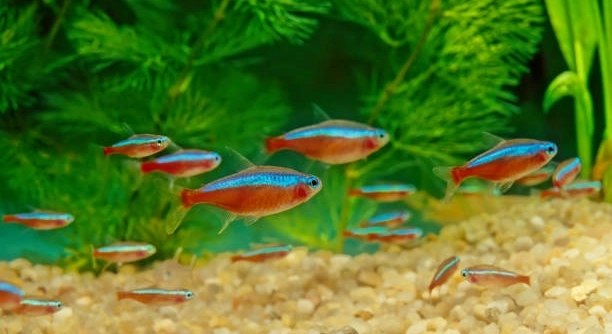
Neon Tetras are popular aquarium fish known for their vibrant colors and peaceful nature. However, keeping them healthy can sometimes be tricky, as they have specific needs. Let’s explore some common mistakes and how to avoid them.
Neon Tetras are sensitive fish that require a stable environment, proper water conditions, and appropriate tank mates. Common mistakes include improper tank size, wrong water parameters, overfeeding, and incompatible tank mates, all of which can cause stress and health issues.
Addressing these mistakes will ensure your Neon Tetras thrive. By understanding their needs, you can create a healthy and happy environment for them.
Mistake 1: Incorrect Tank Size
Neon Tetras may be small, but they still need enough space to swim freely. A common mistake is keeping them in tanks that are too small. A cramped environment leads to stress, which weakens their immune system and shortens their lifespan. Neon Tetras do best in groups of six or more, which also requires more space. A tank size of at least 10 gallons is ideal for a small school of Neon Tetras. This allows for better water circulation and gives them room to move around.
If the tank is too small, waste builds up quickly, and the water quality can decline rapidly. This can lead to unhealthy conditions for your fish. A larger tank will provide stability and help maintain better water quality, making it easier to keep your fish healthy.
Investing in an appropriately sized tank is essential for your fish’s well-being. It helps keep the water cleaner and provides a more comfortable living space. Proper tank size contributes to overall happiness and longevity for your Neon Tetras.
Mistake 2: Poor Water Conditions
Water quality is critical for Neon Tetras. They are sensitive to changes in temperature, pH, and hardness. Inconsistent or poor water conditions can lead to stress and diseases. Neon Tetras thrive in slightly acidic to neutral water with a temperature range between 70-81°F.
Maintaining stable water conditions requires regular water changes, testing water parameters, and adjusting as needed. If you don’t monitor the water quality closely, harmful toxins like ammonia, nitrites, and nitrates can build up quickly, causing serious harm to your fish. Keeping the water clean and stable is key to preventing issues.
Proper filtration and regular testing will go a long way in keeping your Neon Tetras happy. A water testing kit is a simple and affordable way to ensure their environment stays healthy. You should also clean the tank regularly to avoid algae build-up.
Mistake 3: Overfeeding
Overfeeding is one of the most common mistakes made when caring for Neon Tetras. These fish only need small portions of food, once or twice a day. Feeding them too much can cause uneaten food to decompose, leading to poor water quality. This affects your fish’s health and stresses them out.
When feeding your Neon Tetras, stick to the “3-minute rule”—only offer enough food that they can consume within that time. Leftover food should be removed to prevent it from polluting the tank. Overfeeding also increases the risk of obesity in fish, which can lead to more serious health problems.
Feeding your Neon Tetras properly will help maintain a balanced diet and keep their environment clean. This simple habit can help prevent many health issues and keep your fish more active. Be sure to monitor how much food you give them and adjust accordingly.
Mistake 4: Incompatible Tank Mates
Neon Tetras are peaceful and small, which means they can be easily intimidated or harmed by aggressive tank mates. Many hobbyists make the mistake of placing Neon Tetras with larger or more aggressive fish, causing stress and potential injuries.
When selecting tank mates, choose species that are similarly calm and non-territorial. Avoid placing them with fish that have large mouths, sharp teeth, or are known to be aggressive. It’s also important to consider their water parameter needs. Some fish may thrive in different conditions, which could cause stress or illness for your Neon Tetras.
Having the right tank mates will help your Neon Tetras feel secure and happy. Species like peaceful Corydoras or small, non-aggressive species like Rasboras make good companions. Creating a harmonious tank environment is crucial for keeping your fish safe and healthy.
Mistake 5: Ignoring Regular Water Changes
Neglecting to perform regular water changes can cause a build-up of harmful substances like ammonia and nitrates. This can lead to poor water quality and stress your Neon Tetras. Regular water changes are essential to maintain a healthy environment.
Aim for changing 25-30% of the water every week. This helps reduce toxins and keeps the water fresh. Skipping water changes can lead to various health issues, including fin rot, skin lesions, and other diseases. A well-maintained tank is key to preventing these problems.
A reliable filtration system helps with water quality, but it’s no substitute for regular water changes. Keeping up with this task is essential for your fish’s well-being.
Mistake 6: Using Harsh Water Treatments
Harsh chemicals and water treatments should be used sparingly, as they can harm Neon Tetras. Strong medications or treatments can cause stress or even kill your fish. Always follow instructions carefully when using any treatment.
Try to avoid using treatments unless absolutely necessary. Using natural methods, such as adjusting water parameters or improving filtration, can often solve problems without the need for harsh chemicals. If medications are needed, ensure they are safe for your specific fish and use them at the recommended dosage.
Mistake 7: Overcrowding the Tank
Overcrowding your tank is a common mistake that affects both water quality and the well-being of your fish. Too many fish in a small space create excess waste, which can quickly lead to unhealthy water conditions.
Make sure you provide enough space for each fish to swim comfortably. A general rule is one inch of fish per gallon of water, but this can vary depending on species. Proper stocking ensures that your fish aren’t competing for space or oxygen, which reduces stress.
FAQ
What should I feed my Neon Tetras?
Neon Tetras are omnivores and thrive on a varied diet. Their meals should include high-quality flake food, micro pellets, and live or frozen food like brine shrimp, daphnia, or bloodworms. A good mix of dry and wet food will provide them with essential nutrients. Feed small amounts once or twice a day, and remember to remove any uneaten food to avoid water pollution.
How often should I feed my Neon Tetras?
Feed your Neon Tetras once or twice daily. They don’t require large amounts of food. Only offer what they can consume within three minutes to prevent overfeeding and water contamination. Stick to a routine to keep their diet balanced and healthy.
Can I keep Neon Tetras with other fish?
Yes, Neon Tetras are peaceful fish and generally do well with other calm species. Avoid placing them with aggressive or larger fish that might stress or harm them. Tankmates like small Rasboras, Corydoras, and other non-aggressive species are ideal. Be mindful of each species’ water requirements.
What water conditions do Neon Tetras need?
Neon Tetras prefer slightly acidic to neutral water, with a pH level of 6.0-7.0. The temperature should be kept between 70-81°F. Regularly test the water to ensure stability, as drastic changes can stress your fish. Good filtration and consistent water changes are key to maintaining healthy conditions.
How do I prevent disease in Neon Tetras?
To prevent disease, maintain a clean tank with stable water parameters. Avoid overfeeding and overcrowding, as these can lead to water quality issues. Quarantine any new fish before adding them to the tank to prevent introducing diseases. Regularly check your fish for signs of illness such as faded colors, lesions, or abnormal swimming behavior.
Why are my Neon Tetras losing their color?
Faded colors can indicate stress, poor water quality, or an inadequate diet. Neon Tetras may also lose color if they are kept in conditions that are too warm, too cold, or if they are not getting the right nutrients. Ensure stable water parameters and a varied, balanced diet to help restore their vibrancy.
How do I know if my Neon Tetras are stressed?
Signs of stress in Neon Tetras include loss of color, abnormal swimming behavior (such as darting or hiding), and clamped fins. Stress can result from poor water quality, overcrowding, or incompatible tank mates. Identifying the source of stress and correcting it is essential for their well-being.
Do Neon Tetras need to be kept in groups?
Yes, Neon Tetras are social fish and should be kept in groups of at least six individuals. A group provides them with comfort and reduces stress, as they feel safer in numbers. A solitary Neon Tetra may become anxious, leading to health issues.
How can I tell if my Neon Tetras are healthy?
Healthy Neon Tetras are active, have vibrant colors, and swim smoothly. Their fins should be extended and they should eat regularly. Look out for any signs of illness, such as cloudy eyes, lesions, or loss of appetite. If you notice anything unusual, consider checking water parameters and examining them closely for signs of disease.
What size tank do I need for Neon Tetras?
A minimum of a 10-gallon tank is recommended for a small school of Neon Tetras. While they are small, they still need space to swim freely. A larger tank helps with water stability and reduces the risk of overcrowding, which can stress the fish and cause water quality issues.
Can Neon Tetras live with shrimp or snails?
Neon Tetras can live peacefully with shrimp and snails. In fact, they make great companions for species like cherry shrimp or nerite snails. However, avoid placing them with large or aggressive shrimp species that may intimidate or harm the Tetras. Be sure to monitor their behavior and make adjustments if necessary.
Do Neon Tetras breed easily in captivity?
Breeding Neon Tetras in captivity can be challenging. They are egg scatterers, and the eggs must be kept in a separate breeding tank to avoid predation by the parents. Creating the right conditions, such as slightly acidic water and a temperature of around 75°F, will help encourage breeding. The fry need very small foods, like infusoria or finely crushed flakes, until they are large enough to eat regular food.
What type of substrate is best for Neon Tetras?
A soft, fine substrate is ideal for Neon Tetras. Gravel or sand is preferred, as it mimics their natural environment. Avoid rough or sharp substrate, as it could damage their delicate fins. Keep the substrate clean to maintain water quality, and make sure it doesn’t trap waste or debris.
Can I use decorations in the tank with my Neon Tetras?
Yes, decorations are perfectly fine in a Neon Tetra tank, but be sure to avoid sharp or rough edges that could harm the fish. Plants, caves, and smooth rocks can offer hiding spots and mimic their natural environment. Live plants are a great option as they also help improve water quality.
What should I do if my Neon Tetra has fin rot?
Fin rot is a common condition caused by poor water quality or bacterial infection. If your Neon Tetra shows signs of fin rot, immediately check the water parameters and perform a water change. If necessary, treat with an appropriate antibiotic or medication. Isolate the affected fish if required.
Why are my Neon Tetras staying near the surface?
Neon Tetras may swim near the surface if they are stressed or if there’s insufficient oxygen in the tank. Poor water quality or an issue with the filtration system can lead to oxygen depletion. Ensure proper aeration and filtration to keep oxygen levels stable, and check water quality regularly.
How can I tell if my Neon Tetra is pregnant?
Neon Tetras do not get pregnant in the traditional sense. They lay eggs that are fertilized externally. However, female Tetras may appear rounder when they are carrying eggs. You may notice them becoming more active or searching for a suitable spot to scatter their eggs if they are ready to breed.
Final Thoughts
Caring for Neon Tetras involves understanding their specific needs and creating the right environment for them. These small fish can be quite rewarding to keep, but they do require attention to detail. By ensuring proper tank size, maintaining good water quality, and choosing the right tank mates, you can avoid many common mistakes that affect their health. It’s important to be patient and consistent with their care, as even small changes in their environment can have a big impact on their well-being.
Neon Tetras are not the most difficult fish to care for, but they do require a bit of dedication. Regular tank maintenance, proper feeding, and regular checks for signs of stress or illness can help keep them healthy and happy. Keeping them in groups and providing them with a stable environment will prevent many common issues like color loss or stress-related diseases. If you follow the guidelines outlined in this article, you’ll be able to avoid the common mistakes many aquarists make.
By paying attention to these simple details, your Neon Tetras can thrive in your aquarium for years to come. They are beautiful, peaceful fish that can bring a lot of life to your tank. Whether you are a beginner or an experienced aquarist, maintaining a suitable environment for them will ensure they live a long, healthy life. If you take the time to properly care for them, Neon Tetras can be a rewarding addition to your aquatic family.

Hello,
If you enjoy the content that we create, please consider saying a "Thank You!" by leaving a tip.
Every little bit helps us continue crafting quality advice that supports the health, happiness, and well-being of pets around the world, for pets of all shapes, sizes, and species.
We really appreciate the kindness and support that you show us!