
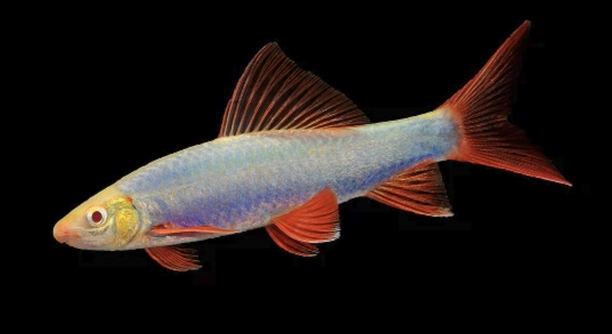
Caring for a rainbow shark can be rewarding, but many owners face challenges that affect their fish’s health. Understanding common mistakes helps avoid stress and keeps these vibrant fish thriving. Proper care leads to a more enjoyable aquarium experience.
Many rainbow shark problems stem from overfeeding, poor tank conditions, and improper tank mates. Common mistakes include overcrowding, inconsistent water quality, and neglecting their need for hiding spots, all of which contribute to stress and health issues.
Recognizing these errors early helps protect your rainbow shark and creates a healthier, more balanced environment in your aquarium. This article outlines key mistakes and how to avoid them for better care.
Overfeeding Your Rainbow Shark
Overfeeding is a common issue many rainbow shark owners face. These fish tend to eat whenever food is available, which can lead to excess waste and poor water quality. Feeding your rainbow shark too much or too often can cause obesity, reduce their lifespan, and increase the risk of diseases. It is important to offer only the amount of food the fish can consume in a few minutes, usually once or twice a day. Using a feeding schedule helps maintain balance and prevents the accumulation of uneaten food, which can foul the tank. Additionally, providing a varied diet with quality flakes, pellets, and occasional live or frozen foods supports their health and vibrant colors. Observing your fish during feeding helps to adjust portions as needed. Proper feeding habits contribute to a stable environment and healthier rainbow sharks, avoiding many common health problems linked to overfeeding.
Controlling feeding amounts keeps the tank cleaner and the fish healthier. Moderation is key to successful rainbow shark care.
Rainbow sharks are bottom feeders that benefit from sinking pellets and occasional vegetable matter. To ensure balanced nutrition, supplement their diet with blanched vegetables like zucchini or cucumber. Monitor their feeding closely to avoid leftovers that degrade water quality. Feeding small portions twice daily allows the fish to eat comfortably without leftover waste. Overfeeding not only harms the fish but can also disrupt beneficial bacteria in the tank, leading to spikes in harmful toxins such as ammonia and nitrites. Maintaining consistent feeding routines supports stable water parameters and fish health. Remember, a healthy diet supports vibrant coloration and active behavior. Avoiding excess food improves overall tank conditions, creating a better environment for all aquarium inhabitants.
Inadequate Tank Size and Environment
Rainbow sharks require enough space to swim freely and establish territory. A tank smaller than 30 gallons can cause stress and aggression. Without adequate room, these fish may become territorial and harm other tank mates. The tank should include hiding spots like caves or plants to mimic their natural habitat. A proper environment reduces stress and helps maintain their bright colors. Regular water changes and maintaining stable water parameters are essential for their well-being. Insufficient space leads to poor health and behavior problems, making tank size one of the most important factors in successful care.
Providing a spacious tank with hiding places promotes natural behavior and healthier fish.
A larger tank offers better water quality stability and reduces territorial disputes. Rainbow sharks are active swimmers, so they need room to explore and exercise. Adding decor such as smooth rocks, driftwood, and live plants provides shelter and breaks line of sight, reducing aggression. These elements create a comfortable environment that supports natural behavior patterns. Water temperature should be kept between 74°F and 80°F, with a pH near neutral. Maintaining these conditions supports immune function and prevents disease. A proper filtration system is also crucial to handle waste and keep water clean. Monitoring tank size and environment is key to avoiding common problems and ensuring your rainbow shark thrives.
Incompatible Tank Mates
Rainbow sharks can be aggressive, especially toward slow-moving or long-finned fish. Choosing incompatible tank mates can lead to stress and injury. Avoid small, timid fish or species that cannot handle the shark’s territorial behavior.
Aggression in rainbow sharks usually occurs when they feel crowded or threatened. Tank mates should be fast swimmers and able to hold their own without provoking the shark. Suitable companions include larger, robust fish like danios or barbs. Avoid slow fish like angelfish or bettas, which may be targeted. Overcrowding increases stress and aggression, so keep the tank size and population balanced. Ensuring enough hiding spaces also helps reduce conflict by allowing fish to escape or hide when necessary. Monitoring fish behavior regularly helps detect problems early and prevents injuries.
Maintaining compatible species supports a peaceful tank and reduces the risk of stress-related illnesses. Careful selection of tank mates is essential for a harmonious aquarium.
Neglecting Water Quality
Poor water quality is a leading cause of health problems for rainbow sharks. Neglecting regular water testing and changes can lead to toxic levels of ammonia, nitrites, and nitrates, harming the fish.
Consistent water changes are vital for removing harmful waste and maintaining stable water parameters. Weekly partial changes of 20-30% help keep the environment clean. Using a reliable test kit ensures that ammonia, nitrite, nitrate, pH, and temperature remain within safe ranges. Overfeeding and overcrowding worsen water quality by increasing waste. A strong filtration system supports biological filtration, breaking down toxins. Ignoring water quality stresses the fish’s immune system, making them more vulnerable to diseases. Regular maintenance and monitoring prevent many common illnesses and promote longevity.
Good water quality is the foundation of healthy rainbow sharks. Staying on top of tank care prevents many avoidable problems.
Lack of Proper Hiding Spots
Rainbow sharks need places to hide to feel secure. Without enough cover, they become stressed and more aggressive.
Providing caves, plants, or decorations creates a safe environment. Hiding spots help reduce territorial fights and encourage natural behavior.
Ignoring Signs of Illness
Early signs of illness in rainbow sharks include lethargy, loss of appetite, and faded colors. Ignoring these symptoms can lead to serious health issues.
Prompt action improves recovery chances. Regular observation and water testing help catch problems before they worsen.
Poor Water Temperature Control
Maintaining stable water temperature is critical. Sudden changes cause stress and weaken the immune system.
Keep the tank between 74°F and 80°F using a reliable heater and thermometer. Consistency supports health and activity levels.
What should I feed my rainbow shark?
Rainbow sharks do best on a varied diet that includes sinking pellets or wafers designed for bottom feeders. Supplement their meals with occasional live or frozen foods like bloodworms or brine shrimp to boost nutrition. Adding blanched vegetables such as zucchini or cucumber provides fiber and variety. Feeding small portions twice a day helps prevent overfeeding and keeps the tank cleaner. Avoid feeding too much protein-heavy food, as it can lead to water quality issues and health problems.
How often should I change the water?
Perform partial water changes of 20-30% once a week to maintain good water quality. Frequent water changes reduce toxins like ammonia and nitrates that build up over time. Skipping or delaying water changes leads to poor water conditions, which stresses your fish and increases the risk of disease. Use a water conditioner to remove chlorine and chloramines from tap water before adding it to the tank. Regular maintenance keeps your rainbow shark healthy and active.
Can rainbow sharks live with other fish?
Yes, but it is important to select compatible tank mates. Rainbow sharks can be territorial and aggressive toward slower or long-finned fish. Ideal companions include fast-swimming species such as danios, barbs, or larger tetras that can avoid conflict. Avoid housing them with bettas, angelfish, or small, timid fish that may become targets. Also, make sure the tank is large enough to provide adequate space for all inhabitants to reduce aggression.
How large should my tank be?
A minimum tank size of 30 gallons is recommended for one rainbow shark. Larger tanks allow for better swimming space and reduce territorial behavior. Overcrowding causes stress and fighting, leading to injuries and poor health. Make sure the tank has plenty of hiding places and open swimming areas. Proper tank size supports stable water parameters and a healthier environment for your fish.
What temperature is best for rainbow sharks?
Keep the water temperature between 74°F and 80°F (23°C–27°C). Maintaining a stable temperature within this range helps support the shark’s immune system and activity level. Avoid sudden fluctuations, as temperature swings cause stress and increase disease susceptibility. Using a reliable heater and thermometer ensures the tank stays consistent.
Why is my rainbow shark hiding all the time?
Excessive hiding often indicates stress, poor water quality, or illness. If the tank is overcrowded, too small, or lacks hiding spots, your fish may feel unsafe. Check water parameters and tank conditions. Providing more decorations or caves can encourage natural behavior. If hiding continues, observe for other symptoms and consider consulting a specialist.
How can I prevent aggression in my rainbow shark?
Providing sufficient space, hiding spots, and compatible tank mates helps reduce aggression. Avoid overcrowding and maintain good water quality. Observing fish behavior regularly lets you address problems early. Rearranging tank decor occasionally can break established territories and lower aggression levels. Consistent care and environment management are key.
What are common signs of disease in rainbow sharks?
Look for lethargy, loss of appetite, faded color, clamped fins, or abnormal swimming. White spots, ulcers, or frayed fins also indicate illness. Early detection allows for prompt treatment and better outcomes. Maintain clean water and proper diet to prevent most diseases.
How do I acclimate a new rainbow shark?
Float the sealed bag in the tank for 15-20 minutes to equalize temperature. Slowly add small amounts of tank water to the bag over 30-45 minutes. This gradual process reduces shock from water chemistry differences. Finally, gently release the fish into the tank, avoiding transferring bag water. Proper acclimation improves survival and reduces stress.
Caring for a rainbow shark requires attention to several important factors that affect its health and well-being. Avoiding common mistakes like overfeeding, poor water quality, and incompatible tank mates makes a big difference. These fish need enough space to swim freely and places to hide to feel secure. Providing a balanced diet and maintaining stable water conditions support their vibrant colors and active behavior. When the environment meets their needs, rainbow sharks can live longer and be more enjoyable to watch.
Monitoring your rainbow shark regularly is essential for early detection of any problems. Changes in behavior, appetite, or appearance often signal stress or illness. Acting quickly to correct water parameters, adjust feeding habits, or separate aggressive fish can prevent minor issues from becoming serious. Routine tank maintenance, including water changes and filter cleaning, helps maintain a healthy environment. Small, consistent efforts in care keep your rainbow shark happy and reduce the chances of health complications.
In the end, caring for a rainbow shark is rewarding but requires commitment and knowledge. Understanding their needs and avoiding common mistakes creates a more stable and peaceful aquarium. Providing proper nutrition, a suitable tank environment, and good water quality helps these fish thrive. Being proactive and observant allows you to enjoy the beauty and activity of your rainbow shark for many years. With careful care, these fish can be a striking and lively addition to any home aquarium.

Hello,
If you enjoy the content that we create, please consider saying a "Thank You!" by leaving a tip.
Every little bit helps us continue crafting quality advice that supports the health, happiness, and well-being of pets around the world, for pets of all shapes, sizes, and species.
We really appreciate the kindness and support that you show us!