
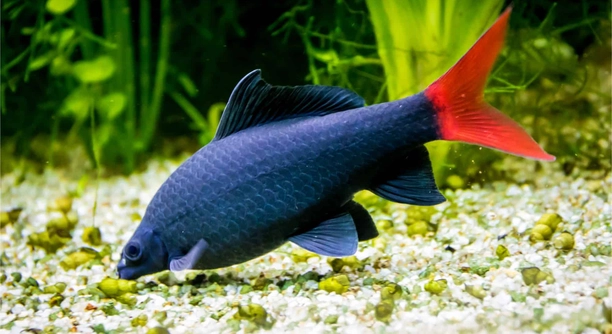
Caring for rainbow sharks can be rewarding, but many fishkeepers often make simple mistakes that affect these colorful fish’s health and behavior. Proper care is important to keep them thriving in a home aquarium. Avoiding common errors helps create a balanced environment.
The most frequent mistakes when caring for rainbow sharks include overcrowding tanks, improper diet, poor water quality, insufficient hiding places, incorrect tank mates, neglecting regular maintenance, and misunderstanding their territorial nature. These factors directly impact their well-being and longevity.
Recognizing these common pitfalls early can improve your fishkeeping experience and ensure your rainbow sharks remain healthy and active in their aquatic home.
Overcrowding the Tank
Keeping too many fish in one tank is a common mistake that can harm rainbow sharks. These fish need enough space to swim and establish their territory. When the tank is overcrowded, it causes stress, aggression, and poor water quality. Stress weakens their immune system, making them more prone to diseases. Rainbow sharks are naturally territorial, so they don’t do well when there isn’t enough room to claim as their own. A tank size of at least 30 gallons is recommended for one rainbow shark. Adding more fish means a bigger tank is necessary to avoid conflict and ensure good water conditions. Proper filtration and regular water changes are also essential when managing stocking levels.
Overcrowding not only stresses rainbow sharks but also affects all tank inhabitants. It is important to balance the number of fish with the tank size.
Controlling tank population protects fish health and prevents aggressive behaviors. It also makes maintenance easier and keeps water parameters stable. Providing each fish with enough space allows rainbow sharks to show natural behavior and thrive peacefully.
Improper Diet
Feeding rainbow sharks the wrong food can lead to health problems. They are omnivores, so their diet should include both plant matter and protein. Many keepers feed only flakes or pellets, which might not meet their nutritional needs. In the wild, they eat algae, small insects, and crustaceans. Including fresh vegetables like zucchini, peas, and spinach supports their digestion and coloration. Occasional live or frozen foods such as bloodworms or brine shrimp provide important protein. Overfeeding or feeding fatty foods can cause obesity and poor water quality, so it’s best to feed small amounts two times a day. Variety in diet keeps rainbow sharks healthy and energetic.
A balanced diet with vegetables and protein helps maintain vibrant colors and strong immune systems in rainbow sharks.
Paying attention to diet not only supports their health but also prevents water pollution caused by uneaten food. Using sinking pellets ensures food reaches the bottom where rainbow sharks feed. Offering food variety mimics natural feeding habits and improves overall well-being. Remember, proper nutrition is key for growth, disease resistance, and activity levels in these fish.
Poor Water Quality
Maintaining clean water is crucial for rainbow sharks. Dirty water can cause stress, illness, and even death. Regular water testing and changes keep conditions stable.
Water quality depends on filtration, regular water changes, and monitoring parameters like ammonia, nitrite, and nitrate. Rainbow sharks produce waste that can quickly pollute the tank. Without proper filtration, toxins build up and affect fish health. Weekly water changes of 20-30% help keep the environment safe. Testing kits allow for early detection of harmful chemicals. Stable temperature and pH levels are also important to avoid stressing the fish.
Neglecting water quality can lead to fin rot, infections, and poor behavior. Investing time in maintenance prevents these problems. Using a good filter and cleaning the substrate removes waste effectively. Avoid overcrowding, which worsens water quality by increasing waste. Clean water supports the fish’s immune system and overall vitality.
Insufficient Hiding Places
Rainbow sharks need hiding spots to feel secure. Without enough cover, they may become stressed and aggressive.
Adding decorations like caves, plants, and driftwood creates safe spaces for rainbow sharks to retreat. These fish are shy by nature and use hiding places to reduce stress during conflicts or rest. Without these areas, they may become territorial in harmful ways. Plants also help improve water quality by absorbing nitrates and providing oxygen. When setting up the tank, aim to balance open swimming areas with enough hiding spots. This improves fish comfort and reduces aggression among tank mates. Well-placed decorations simulate their natural habitat, encouraging natural behaviors and reducing stress.
Incorrect Tank Mates
Rainbow sharks do best with peaceful but sturdy tank mates. Avoid small, slow fish that might be bullied. Aggressive species can cause constant stress.
Choosing compatible tank mates helps maintain harmony. Suitable companions include larger tetras, danios, and peaceful catfish. Avoid fin-nippers and overly aggressive fish, which provoke fights. Proper pairing reduces territorial disputes and keeps rainbow sharks calm.
Neglecting Regular Maintenance
Skipping regular tank cleaning causes problems over time. Waste buildup and algae growth degrade water quality quickly. Consistent care is essential for a healthy aquarium.
Regular maintenance involves partial water changes, filter cleaning, and substrate vacuuming. This prevents toxin accumulation and supports beneficial bacteria. Keeping the tank clean ensures stable water parameters, reducing stress and disease risk in rainbow sharks.
Misunderstanding Territorial Behavior
Rainbow sharks are naturally territorial and need space to establish their area. Ignoring this leads to stress and aggression. Providing enough room and hiding spots helps manage their territorial nature.
FAQ
How often should I change the water in my rainbow shark tank?
Regular water changes are necessary to keep your rainbow shark healthy. A good rule of thumb is to change about 20-30% of the water every week. This helps remove waste, toxins, and excess nutrients. It also keeps the water clear and prevents the buildup of harmful chemicals. If your tank is heavily stocked or lacks a strong filter, more frequent water changes may be needed. Always use dechlorinated water and try to match the temperature of the new water to avoid stressing your fish.
What size tank is best for a rainbow shark?
A minimum tank size of 30 gallons is recommended for one rainbow shark. These fish are active swimmers and need enough room to establish their territory. If you want to keep multiple rainbow sharks or other fish, you’ll need a larger tank to reduce aggression and overcrowding. A bigger tank also helps maintain better water quality and gives more space for decorations and hiding spots.
Can rainbow sharks live with other fish?
Yes, rainbow sharks can live with other fish, but choosing the right tank mates is important. They do well with peaceful but sturdy fish like tetras, danios, and some catfish species. Avoid small, slow-moving fish that might get bullied or aggressive species that could fight with the rainbow shark. Providing enough space and hiding places reduces territorial fights and keeps the community peaceful.
What do rainbow sharks eat?
Rainbow sharks are omnivores, so they need a balanced diet of both plant-based and protein-rich foods. Good options include sinking pellets, algae wafers, fresh vegetables like zucchini and peas, and occasional live or frozen foods such as bloodworms or brine shrimp. Avoid feeding only flakes or fatty foods, which don’t meet all their nutritional needs. Feeding small amounts two times a day helps prevent overfeeding and water pollution.
Why is my rainbow shark hiding all the time?
Hiding behavior is normal, especially if the fish feels stressed or threatened. Lack of hiding spots, overcrowding, or aggressive tank mates may cause this. Ensure your tank has enough caves, plants, or decorations where the fish can retreat. Hiding helps rainbow sharks feel secure and reduces stress, which supports their health.
How can I reduce aggression in my rainbow shark?
Aggression often comes from territorial disputes or overcrowding. Providing a large enough tank with plenty of hiding places helps reduce conflict. Avoid keeping multiple rainbow sharks in small tanks, as they may fight over territory. Choosing peaceful tank mates and maintaining good water quality also lowers stress, which can decrease aggressive behavior.
What water parameters are best for rainbow sharks?
Rainbow sharks prefer a temperature between 74°F and 80°F (23°C to 27°C). The pH should be neutral to slightly acidic, ideally between 6.5 and 7.5. Ammonia and nitrite levels must be at zero, while nitrate should be kept low with regular water changes. Stable water conditions prevent stress and illness.
How long do rainbow sharks typically live?
With proper care, rainbow sharks can live between 5 to 8 years. Good water quality, a balanced diet, and a stress-free environment contribute to their longevity. Regular maintenance and attention to their needs help ensure they live a full, healthy life.
What signs show that my rainbow shark is sick?
Common signs include loss of appetite, lethargy, faded colors, clamped fins, and abnormal swimming behavior. White spots or torn fins might indicate infections. If you notice any of these signs, test your water parameters and consider quarantining the fish for treatment. Early detection and care improve recovery chances.
Can rainbow sharks live alone?
Yes, rainbow sharks can live alone and often do better that way. They are territorial and may become aggressive if kept with others of the same species in a small tank. Keeping just one rainbow shark avoids fights and makes it easier to manage their space and needs. However, a well-planned community tank with compatible fish is also possible.
Caring for rainbow sharks requires attention to several important details. These fish need enough space, clean water, and a balanced diet to stay healthy. Overcrowding the tank or feeding the wrong foods can cause stress and health problems. Providing hiding places helps them feel safe and reduces aggression. Understanding their natural behavior, like their territorial nature, makes it easier to create a comfortable environment for them. Regular tank maintenance is also necessary to keep water conditions stable and prevent disease.
Rainbow sharks can be rewarding pets when their needs are met properly. Choosing the right tank size and compatible tank mates helps maintain peace and reduces fighting. Feeding a mix of plant-based and protein foods supports their growth and energy. Keeping water clean with weekly changes and proper filtration ensures they live in a healthy environment. These small efforts go a long way in helping rainbow sharks live a long and active life. When mistakes are avoided, these fish show bright colors and natural behaviors that make them enjoyable to watch.
Overall, the key to successful rainbow shark care is consistency. Paying attention to water quality, diet, tank size, and hiding spots helps prevent common problems. Fishkeepers who learn about the specific needs of rainbow sharks can avoid many common pitfalls. This creates a stable and stress-free home for the fish. When cared for well, rainbow sharks are lively, beautiful additions to an aquarium. Taking the time to understand their needs benefits both the fish and the keeper, resulting in a more satisfying fishkeeping experience.

Hello,
If you enjoy the content that we create, please consider saying a "Thank You!" by leaving a tip.
Every little bit helps us continue crafting quality advice that supports the health, happiness, and well-being of pets around the world, for pets of all shapes, sizes, and species.
We really appreciate the kindness and support that you show us!