
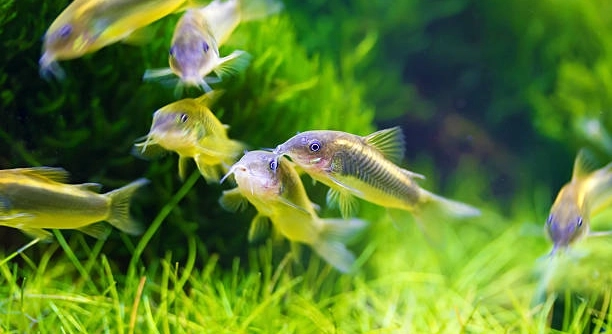
Corydoras catfish are popular aquarium pets, known for their peaceful nature and fun antics. However, caring for them can be tricky if you’re not aware of common mistakes. Understanding their needs is essential for keeping them healthy and happy.
Several common mistakes can harm Corydoras catfish, such as improper water conditions, overfeeding, and neglecting tank mates. These issues can lead to stress, illness, or even death. By learning to avoid these pitfalls, you can ensure a thriving aquarium.
Knowing these mistakes will help you better care for your Corydoras and prevent problems before they arise. With the right information, you’ll create a safe environment where your fish can flourish.
Mistake 1: Poor Water Conditions
One of the most common mistakes when caring for Corydoras catfish is failing to maintain proper water conditions. Corydoras thrive in clean, soft, and slightly acidic water. When water quality is poor or fluctuates too much, they can become stressed or even sick. It’s important to monitor temperature, pH levels, and ammonia levels regularly. Regular water changes, ideally 25% every two weeks, will also help maintain healthy water. You should use a reliable water testing kit to keep track of the essential parameters.
Keeping water conditions stable is key to keeping your Corydoras healthy. Sudden changes can stress them out and lead to problems like skin lesions or difficulty breathing. For best results, set up a consistent maintenance routine to avoid any issues.
By testing the water regularly and making adjustments when needed, you’ll create a much more stable environment. If the water quality is poor, Corydoras may even develop conditions like fin rot or swim bladder issues. Simple actions like using a good filter, doing frequent water changes, and ensuring the temperature remains stable will help your fish live longer and happier lives.
Mistake 2: Overfeeding
Overfeeding Corydoras catfish is another common mistake that can affect their health. While it’s tempting to feed them a lot, it can lead to uneaten food settling at the bottom and fouling the water.
Corydoras are bottom feeders and enjoy small amounts of food. Offering them more than they can consume in a few minutes can cause waste buildup, leading to poor water quality. It’s essential to feed them only what they can eat within a short period.
To avoid overfeeding, stick to feeding your Corydoras once or twice a day with just enough food for them to finish in a few minutes. You can also remove any leftover food after feeding time. This will help maintain water quality and prevent issues related to water pollution.
Mistake 3: Incorrect Tank Size
Corydoras catfish need enough space to swim around freely. Keeping them in too small a tank can cause stress and restrict their natural behavior. A tank that’s too small leads to poor water quality and makes it harder to maintain a stable environment. A minimum of 20 gallons is recommended for a small group of Corydoras.
A cramped space doesn’t allow these active fish to display their usual playful behavior. It can also increase aggression from other tank mates, as they feel overcrowded. When they don’t have room to swim, they may become more vulnerable to illnesses and stress.
Providing a larger tank will help ensure your Corydoras feel comfortable and safe. It also gives them the freedom to form natural groups, explore the bottom, and stay active. A spacious tank improves water circulation and makes maintenance easier, which ultimately benefits your fish.
Mistake 4: Keeping Aggressive Tank Mates
Corydoras are peaceful, bottom-dwelling fish that prefer calm environments. Mixing them with aggressive or overly active species can cause stress and even injury. Corydoras are often outcompeted for food or harassed by faster-moving fish. It’s important to choose compatible tank mates to keep them happy and healthy.
For a peaceful tank setup, stick to fish that are gentle and avoid aggressive species. Good tank mates include other peaceful bottom dwellers or mid-water swimmers. Always consider the behavior and size of the other fish in your tank to prevent any conflicts. Corydoras will thrive best when surrounded by calm, non-threatening fish.
By choosing appropriate tank mates, you allow your Corydoras to feel safe and reduce the chance of stress-related health problems. Avoid mixing them with large, predatory fish or overly territorial species. With the right companions, your Corydoras will thrive and maintain their peaceful nature in the tank.
Mistake 5: Not Providing Hiding Spaces
Corydoras catfish are shy creatures and need places to hide when they feel stressed or threatened. Without these hiding spots, they may become anxious and exhibit unusual behaviors. Providing caves, plants, or decorations gives them a sense of security and encourages natural behaviors.
Adding hiding spaces also helps reduce aggression from other fish. When Corydoras feel secure, they are less likely to hide all the time and more likely to interact with other fish. Create a well-planted tank with areas for them to retreat to if needed, which promotes a healthier environment for everyone.
Mistake 6: Ignoring Proper Filtration
A good filtration system is essential for maintaining clean water and healthy fish. Without it, harmful substances like ammonia, nitrites, and nitrates build up quickly, which can stress your Corydoras and lead to illness. A proper filter helps to keep the water quality stable.
Filtration should be strong enough to circulate water but gentle enough not to create strong currents, which can stress out Corydoras. Overly powerful filters can make it hard for these bottom dwellers to swim comfortably. Choose a filter with adjustable flow rates to balance both water movement and cleanliness.
Mistake 7: Using Rough Substrate
Corydoras have sensitive barbels, and using a rough substrate can damage them. Substrates like sharp gravel or large stones can irritate their delicate skin and cause injuries. It’s best to use fine sand or smooth gravel to protect their barbels and ensure they feel comfortable.
FAQ
What do Corydoras catfish eat?
Corydoras are omnivores and enjoy a varied diet. They mainly eat sinking pellets, but they will also consume algae, small crustaceans, and live or frozen foods like bloodworms, brine shrimp, and daphnia. It’s important to provide a balanced diet that meets their nutritional needs. Avoid overfeeding, as leftover food can spoil the water quality.
You should also include some vegetable-based foods, like blanched spinach or zucchini, to give them a well-rounded diet. Corydoras are scavengers, so they’ll appreciate a mix of food types. However, always ensure that the food is small enough for them to eat easily and that they finish it in a few minutes.
How often should I feed my Corydoras catfish?
Corydoras should be fed once or twice a day. This feeding schedule is enough to keep them healthy without overloading the tank with uneaten food. It’s best to feed them small portions, ensuring they finish everything within a few minutes.
Feeding them too much can lead to water quality issues. Remember, they are bottom dwellers, so they’ll often scavenge for leftover food, which makes it easy to overfeed them without realizing. Once or twice a day is ideal to keep both your fish and tank environment healthy.
Can Corydoras live alone?
Corydoras are social fish that thrive in groups. Keeping them alone can lead to stress, as they prefer the company of their own kind. Ideally, you should keep at least three or more Corydoras together in the same tank to make them feel safe and comfortable.
Without companions, Corydoras may exhibit behaviors like hiding or lethargy, and they may become more susceptible to illness. A small group of at least three will allow them to interact and feel more secure, leading to a happier and healthier life for your fish.
What water temperature is best for Corydoras catfish?
Corydoras catfish prefer a water temperature between 72°F and 78°F (22°C to 26°C). It’s important to keep the water temperature stable within this range to prevent stress. Corydoras are sensitive to rapid temperature changes, which can lead to illness or even death.
To maintain a consistent temperature, invest in a reliable aquarium heater and thermometer. Keep an eye on the temperature regularly, especially during seasonal changes, as fluctuations can stress your fish. A steady temperature will keep your Corydoras active and healthy.
Can Corydoras live with other fish?
Yes, Corydoras can live with many types of peaceful fish, as they are gentle and non-aggressive. Good tank mates include tetras, guppies, rasboras, and other bottom-dwelling species. Just be sure to avoid aggressive or large fish that might harm your Corydoras.
Keep in mind that while Corydoras are peaceful, they can be stressed by fast-moving or territorial fish. It’s also a good idea to check the behavior of your other fish before introducing them, ensuring that there is a good balance in the tank.
Do Corydoras catfish need a lid on the tank?
Corydoras are not known to jump, but it’s still a good idea to have a lid on your aquarium. While they typically stay near the bottom of the tank, a lid can prevent other factors, such as water evaporation or potential escapes if the tank is disturbed.
A lid also helps maintain a stable environment by preventing dust and debris from falling into the water. It keeps the temperature constant and prevents evaporation, which can cause water levels to drop, affecting your filtration system.
How long do Corydoras catfish live?
Corydoras catfish can live for 5 to 10 years, provided they are given proper care. Factors like water quality, diet, tank size, and overall tank maintenance play a big role in their lifespan. Keeping them in a stable environment with regular water changes will help them live longer.
If Corydoras are kept in poor conditions or with insufficient care, they may not live as long. A proper diet, regular water testing, and good tank mates can help your Corydoras live a full and healthy life.
Final Thoughts
Caring for Corydoras catfish can be a rewarding experience when you understand their specific needs. By paying attention to water quality, tank mates, and their diet, you can create an environment where your Corydoras can thrive. They are peaceful, active fish that enjoy a stable environment and clean, soft water. Ensuring proper tank size, providing hiding spaces, and avoiding overfeeding are key to keeping them healthy and happy.
While Corydoras are relatively easy to care for, it’s important to avoid common mistakes that can harm their well-being. Many problems arise from neglecting water conditions or choosing incompatible tank mates. Providing a spacious tank, using a gentle filtration system, and feeding them properly can prevent stress and illness. Regular maintenance, such as water changes and testing, will help maintain a stable environment. By creating the right conditions, Corydoras can live long, healthy lives, contributing to a balanced aquarium ecosystem.
By understanding the basics of Corydoras care and avoiding common mistakes, you can ensure your catfish enjoy a happy, stress-free life in your tank. Their playful behavior and peaceful nature make them a great addition to any aquarium. Keep learning and adapting to their needs, and you’ll enjoy their company for many years. The effort you put into providing a safe, healthy environment will not only improve their quality of life but also make your aquarium more enjoyable to watch.

Hello,
If you enjoy the content that we create, please consider saying a "Thank You!" by leaving a tip.
Every little bit helps us continue crafting quality advice that supports the health, happiness, and well-being of pets around the world, for pets of all shapes, sizes, and species.
We really appreciate the kindness and support that you show us!