
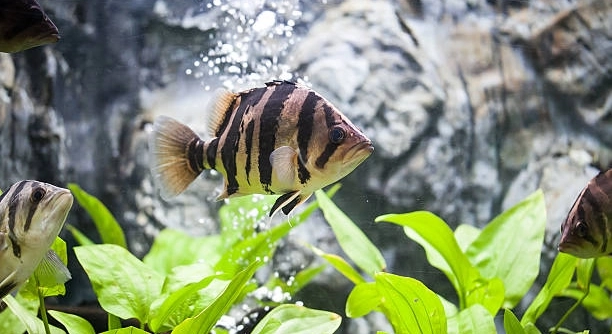
Are your tiger barbs not thriving as expected, despite your best efforts to create a healthy and colorful aquarium for them?
The most common mistakes when buying tiger barbs include choosing incompatible tank mates, purchasing unhealthy fish, and ignoring tank size requirements. These errors can lead to stress, illness, and a poor quality of life for your fish.
Understanding these common buying mistakes can help you create a healthier and more peaceful environment for your tiger barbs.
Buying Sick or Stressed Fish
Choosing healthy tiger barbs is important for a stable tank. Avoid fish with pale colors, clamped fins, or erratic swimming. These are signs of illness or stress. Always observe the tank they’re in at the store. If other fish look unwell or there’s dead fish in the tank, it’s best to avoid buying from there. Healthy tiger barbs should be active, have clear eyes, and show vibrant stripes. Buying sick fish can cause problems for your tank, especially if they spread disease. It’s worth taking time to select strong, healthy fish from a clean and well-maintained tank.
Sick tiger barbs can bring parasites or infections that affect other fish. Quarantining new arrivals helps avoid this risk and keeps your tank balanced and safe.
Watching your fish before purchase and quarantining after buying are simple steps that prevent long-term problems. Your aquarium will be much healthier because of it.
Ignoring Tank Size Requirements
Tiger barbs are active swimmers and need plenty of space. Small tanks can cause aggression, stress, and health issues. Many new owners underestimate their space needs. A group of tiger barbs needs at least a 20-gallon tank to swim freely and feel comfortable.
A cramped tank can create constant stress for tiger barbs, especially if kept in small groups or tight spaces. This can lead to fin-nipping and aggression toward other fish. A proper tank size allows them to swim, explore, and stay active without getting territorial. It also helps maintain water quality, since more water dilutes waste and keeps the environment more stable. Bigger tanks are easier to manage and support more consistent temperatures and filtration. Always plan for the adult size and behavior of your fish, not how small they appear at the pet store. Investing in the right tank size from the start prevents frustration and ensures your tiger barbs live healthier, longer lives.
Choosing the Wrong Tank Mates
Tiger barbs can be aggressive if kept with slow or long-finned fish. They may nip at fins or stress others. Avoid mixing them with bettas, guppies, or angelfish. Choose active, similarly sized species to reduce conflict.
Tiger barbs do best in groups of six or more, which helps spread out their aggression within their own school. When kept in smaller numbers, they are more likely to target other fish in the tank. Fast swimmers like danios or larger tetras make better companions because they can keep up with the energy tiger barbs bring. Avoid placing them with shy or slow-moving fish that may feel cornered or harassed. Always research compatibility before mixing species, and be ready to rehome or rearrange if aggression continues. Tank layout with plenty of plants and hiding spots also helps reduce stress and fights between fish.
Choosing tank mates with care helps maintain a peaceful aquarium and reduces stress-related illness. When fish are comfortable, they display better colors, eat regularly, and behave naturally. Stress can weaken their immune systems, making them prone to diseases. So, selecting compatible fish isn’t just about peace—it also protects health. If you’re ever unsure, it’s best to keep tiger barbs in a species-only tank.
Overfeeding the Fish
Overfeeding tiger barbs leads to poor water quality and bloated fish. Leftover food breaks down quickly and causes ammonia spikes. Feed small portions once or twice a day and only what they can eat in a few minutes.
Too much food causes digestive issues and can make your fish sluggish or sick. It also puts extra waste in the water, which raises ammonia and nitrite levels. Over time, this affects the tank’s balance and harms all the fish, not just the tiger barbs. Stick to a feeding schedule and watch how much your fish actually eat. Use quality food designed for tropical fish, and remove uneaten bits after feeding. Fasting them once a week also supports digestion and mimics their natural eating habits. A cleaner tank and healthy fish often start with better feeding habits. Overfeeding is easy to fix and makes a noticeable difference.
Skipping the Nitrogen Cycle
Adding tiger barbs to an uncycled tank causes stress and early death. New tanks need time to build beneficial bacteria that process waste. Always cycle the tank fully before introducing any fish.
Ammonia and nitrite levels spike in uncycled tanks, poisoning the fish. Test the water regularly and be patient.
Not Providing Enough Hiding Spaces
Tiger barbs are active but still need cover to feel secure. Plants, driftwood, and decorations help reduce stress and control aggression. A well-decorated tank encourages natural behavior and gives weaker fish a place to rest without constant chasing. Balanced tank layout supports overall health and reduces injury.
Buying Too Few Tiger Barbs
Tiger barbs are schooling fish and need at least six in a group. Too few can lead to aggression and stressed-out fish.
FAQ
How many tiger barbs should I keep together?
Tiger barbs are schooling fish that feel safest in groups of six or more. Keeping fewer than six increases their aggression toward each other and other fish. A larger group spreads out any aggressive behavior within their own school and helps them feel more secure and less stressed.
What size tank do tiger barbs need?
A minimum of 20 gallons is recommended for a small group of tiger barbs. This size provides enough swimming space and helps maintain water quality. Bigger tanks allow better territory distribution and reduce stress and aggression. Always consider their adult size and activity level when choosing a tank.
Can tiger barbs live with other fish?
Tiger barbs can live with other fish, but compatibility depends on the species. They are known for fin-nipping and may target slow or long-finned fish like guppies or angelfish. Suitable tank mates include fast, active fish like danios, larger tetras, or other semi-aggressive species that can hold their own. Always observe interactions closely.
How often should I feed my tiger barbs?
Feed small amounts once or twice a day, only what they can finish in a few minutes. Overfeeding can lead to poor water quality and health problems. Remove any uneaten food to prevent waste buildup. Once a week, fasting the fish for a day supports digestion and mimics natural feeding patterns.
What water parameters do tiger barbs prefer?
Tiger barbs thrive in water temperatures between 74-79°F (23-26°C). They prefer a pH around 6.5 to 7.5 and moderate hardness. Stable water conditions are important to avoid stress and disease. Regular testing and water changes keep the tank environment healthy.
Why are my tiger barbs fin-nipping each other?
Fin-nipping often happens when tiger barbs are kept in small groups or cramped tanks. Stress, boredom, and lack of hiding places can increase aggression. Keeping them in groups of six or more and providing ample space and cover reduces this behavior.
How do I quarantine new tiger barbs?
Quarantine new fish in a separate tank for at least two weeks before adding them to your main aquarium. This period helps detect and treat diseases before they spread. Monitor water quality and fish health carefully during quarantine.
What signs show my tiger barbs are sick?
Look for pale colors, clamped fins, lethargy, or erratic swimming. White spots, red streaks, or ragged fins are also warning signs. Early detection and treatment improve chances of recovery.
Can tiger barbs live in a community tank?
Yes, but careful selection of tank mates is crucial. Avoid slow, shy, or long-finned fish. Fast-moving, robust species work best to reduce conflict.
How do I reduce aggression among tiger barbs?
Keep a proper group size, provide enough space, and add hiding spots. Rearranging decorations occasionally can also disrupt established territories and reduce fights.
What do tiger barbs eat?
They eat high-quality flake or pellet food, supplemented with live or frozen foods like bloodworms and brine shrimp. A varied diet supports their health and vibrant colors.
How often should I clean my tank?
Regular water changes of 25-30% weekly help maintain water quality. Cleaning the substrate and filters monthly prevents buildup of harmful substances. Proper maintenance keeps your fish healthy and happy.
Final Thoughts
Buying tiger barbs can be rewarding, but it requires attention to detail and careful planning. Avoiding common mistakes ensures your fish stay healthy and display their best colors and behavior. Taking the time to learn about their needs before buying will save you from unnecessary stress and losses. Proper tank size, compatible tank mates, and healthy fish from a reputable source form the foundation of a successful aquarium.
It is also important to maintain good water quality and a balanced environment. Overfeeding, skipping the nitrogen cycle, and ignoring tank cleanliness can quickly harm your fish. Regular water testing and routine maintenance keep the tank stable and safe. Providing hiding places and enough space helps reduce aggression and stress. These steps contribute to a peaceful community where your tiger barbs can thrive and enjoy a longer, healthier life.
Remember that tiger barbs are active, social fish that do best in groups and well-maintained tanks. Rushing the buying process or neglecting their care leads to common problems that are easily avoidable. When you follow the right guidelines and stay consistent with your aquarium care, you create a more enjoyable experience both for you and your fish. Taking responsibility for their health makes your aquarium a beautiful, lively space you can be proud of.

Hello,
If you enjoy the content that we create, please consider saying a "Thank You!" by leaving a tip.
Every little bit helps us continue crafting quality advice that supports the health, happiness, and well-being of pets around the world, for pets of all shapes, sizes, and species.
We really appreciate the kindness and support that you show us!