
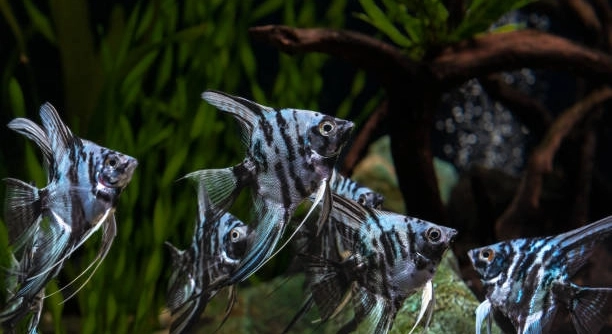
Do your angelfish sometimes seem sluggish or develop strange spots even though you’re doing everything you can to care for them?
Angelfish often fall ill due to common mistakes such as poor water quality, incorrect tank conditions, and improper feeding practices. These issues compromise their immune systems, leaving them vulnerable to infections, parasites, and environmental stress.
Learning how to avoid these mistakes can help your angelfish stay healthier, live longer, and thrive in a more stable aquarium environment.
Mistake #1: Poor Water Quality
Angelfish are sensitive to changes in water conditions, and poor water quality can quickly lead to illness. High levels of ammonia, nitrite, or nitrate can weaken their immune system. Without clean water, angelfish may develop fin rot, cloudy eyes, or show signs of stress. Regular water changes and a proper filtration system help maintain stable parameters. Using a water testing kit at least once a week ensures you catch imbalances before they cause harm. It’s also important not to overfeed, as leftover food can increase waste and disrupt water chemistry. Maintaining proper pH, temperature, and hardness is essential. Consistency is key in preventing stress, which makes fish more vulnerable to infections. Water conditioners can help neutralize harmful chemicals, especially during water changes. Avoid drastic shifts in temperature or pH, as these fluctuations can shock angelfish. Clean water supports their natural behavior and allows them to remain active and vibrant.
Dirty water affects fish faster than most realize.
Testing and maintenance might feel tedious, but keeping the water clean will help your angelfish stay active and less prone to sickness. Pay close attention to waste buildup, filter function, and overall tank cleanliness for the best results.
Mistake #2: Overfeeding
Feeding too often or giving large portions causes more harm than good. Excess food sinks to the bottom and begins to rot, creating unsafe conditions. Overfeeding also leads to bloating, constipation, and swim bladder issues.
Feeding your angelfish once or twice a day in small, manageable amounts is ideal. They only need as much food as they can consume in a few minutes. Uneaten food left in the tank will decay and affect the water quality. Even high-quality fish food can cause problems if it’s given too generously. It’s helpful to skip feeding one day a week to allow their digestive systems to reset. Many illnesses in angelfish start with digestive problems caused by overfeeding. When fish struggle to digest properly, they become lethargic and more vulnerable to bacterial infections. Balanced nutrition also matters. Avoid feeding just one type of food. Include pellets, flakes, and occasional frozen or live options to support health.
Mistake #3: Inconsistent Water Temperature
Temperature swings can quickly stress angelfish. When the water gets too cold or too warm, their immune systems weaken, making them more prone to infections. A stable range between 76°F and 82°F helps keep their bodies regulated and their behavior consistent.
Inconsistent temperatures usually come from using a faulty or low-quality heater. Placing the tank near a window or air vent can also cause sudden fluctuations. Using a reliable, adjustable aquarium heater with a built-in thermostat is one of the best ways to prevent temperature-related stress. It’s also helpful to use a separate thermometer to double-check that the heater is working properly. Set the heater to maintain a steady temperature and avoid turning it on or off manually. During colder seasons, check the tank temperature more often. Small adjustments can make a big difference in helping angelfish avoid stress and stay healthy in their environment.
Temperature consistency helps angelfish maintain strong immune systems. Any sudden drop or rise can weaken them and lead to diseases like ich or fin rot. Always monitor room temperature changes that might affect the tank. When doing water changes, ensure the new water matches the tank’s temperature. Quick shocks from cooler or warmer water are harmful, even during short periods.
Mistake #4: Crowded Tank Conditions
Crowding your tank with too many fish leads to stress, aggression, and poor water conditions. Angelfish need space to swim and establish territory. When the tank is too full, they compete for oxygen, food, and hiding spots.
Angelfish are semi-aggressive and territorial by nature, especially during breeding. In a crowded tank, they may nip fins or chase others, leading to injuries or long-term stress. A minimum tank size of 20 gallons is recommended for a pair, with an additional 10 gallons for each new angelfish. Overcrowding also leads to rapid waste buildup, which affects water quality and increases the risk of disease. Even if the tank appears clean, too many fish produce more ammonia than the filtration system can handle. Try to choose compatible tank mates and avoid keeping them with fin-nipping or overly active fish. Spacing out decor, using tall plants, and providing hiding areas can also help reduce territorial behavior.
Mistake #5: Using Uncycled Tanks
Placing angelfish in an uncycled tank can expose them to toxic spikes of ammonia and nitrite. These substances burn their gills, cause breathing problems, and weaken their immune systems. Cycling the tank properly before adding fish is essential.
A fully cycled tank has enough beneficial bacteria to break down waste. Without this balance, waste builds up fast and creates a dangerous environment. Letting the tank cycle for a few weeks before adding angelfish helps prevent stress and sickness.
Mistake #6: Ignoring Early Signs of Illness
Early signs of angelfish illness often appear subtle. They may include clamped fins, loss of appetite, or unusual swimming patterns. Ignoring these changes allows minor issues to turn into serious infections. Prompt action can make treatment simpler and more effective. Quarantining the fish and reviewing tank conditions are good first steps.
Mistake #7: Incompatible Tank Mates
Choosing the wrong tank mates can stress angelfish. Fast or aggressive fish may nip fins or outcompete them for food. This leads to injuries and poor health. Calm, similar-sized tank mates are best. Avoid fish that are overly active, too small, or known for aggressive behavior.
FAQ
What are the common signs of illness in angelfish?
Angelfish show several signs when they’re not feeling well. Look for clamped fins, loss of appetite, unusual swimming behavior, or faded color. If they start hiding more often or have difficulty swimming, these could indicate illness. You might also notice spots or lesions on their body or fins. If these signs appear, it’s best to check the water parameters and keep an eye on their behavior for any changes. Early detection can help you address the problem before it worsens.
How do I prevent my angelfish from becoming stressed?
To keep angelfish stress-free, ensure they have a stable environment. Maintain consistent water temperature and quality, and avoid overcrowding the tank. Stress can also stem from aggressive tank mates or a lack of hiding spots. Keeping the tank clean and providing enough space for them to swim freely helps prevent stress. Keeping them in a calm, peaceful environment will support their overall health and behavior.
What should I do if my angelfish has cloudy eyes?
Cloudy eyes in angelfish are often a sign of poor water quality, injury, or infection. First, check the water parameters and perform a water change if needed. If the eyes don’t improve, it might be a sign of a bacterial or parasitic infection, in which case you should consider isolating the fish in a quarantine tank for treatment. Ensuring the tank is well-maintained and clean can help prevent cloudy eyes from recurring in the future.
Can I keep angelfish with other fish species?
Yes, angelfish can live with other species, but it’s important to choose peaceful and compatible tank mates. Avoid small or aggressive fish that may provoke them or cause stress. Good companions include other calm fish, such as tetras, corydoras catfish, and some species of gouramis. Make sure the tank has enough space for everyone and provides hiding places for angelfish when they need a break.
How often should I feed my angelfish?
Angelfish should be fed once or twice a day, offering only as much food as they can consume in a few minutes. Overfeeding can lead to water quality issues and digestive problems. A varied diet, including high-quality pellets, flakes, and occasional live or frozen foods, ensures they get the proper nutrients. Skip feeding once a week to give their digestive system a rest.
What water temperature do angelfish prefer?
Angelfish thrive in water temperatures between 76°F and 82°F. Keeping the water within this range promotes good health and reduces the risk of stress or illness. Avoid sudden fluctuations in temperature, as this can weaken their immune systems. Use a reliable aquarium heater to maintain a consistent temperature.
How do I know if my angelfish is pregnant?
Pregnant female angelfish will develop a noticeably rounder belly, especially if they’re carrying eggs. While not all females will visibly show signs, a swelling near their abdomen is the most obvious sign. If they’re about to spawn, you may notice them displaying courtship behaviors with a male. Keep in mind that they may not always lay eggs, but if they do, it’s crucial to keep the water conditions optimal for healthy development.
Why is my angelfish hiding?
Angelfish may hide for a variety of reasons, including stress, illness, or aggression from other fish. If your angelfish starts hiding more than usual, check the tank’s water quality and ensure there are no aggressive tank mates. Stressful conditions, such as overcrowding or inadequate lighting, can also cause angelfish to seek refuge in hiding spots.
What is the best way to maintain water quality for angelfish?
Maintaining water quality for angelfish involves regular water changes, monitoring water parameters, and using a good filtration system. Test the water weekly for ammonia, nitrites, and nitrates, and keep the pH and temperature stable. A 25-30% water change every 1-2 weeks helps keep the tank clean and ensures the water remains safe for the fish. Also, avoid overfeeding, as uneaten food can degrade water quality quickly.
Can angelfish live with other angelfish?
Yes, angelfish can live with other angelfish, but it’s best to keep them in pairs or small groups. They are territorial, especially during breeding. Providing enough space and hiding spots helps reduce aggression between them. If you want to keep multiple angelfish, ensure the tank is large enough, with plenty of vertical space to accommodate their size and behavior.
Final Thoughts
Angelfish are beautiful and fascinating creatures that can thrive in a well-maintained aquarium. However, keeping them healthy requires attention to detail and consistent care. By understanding the common mistakes that can lead to sickness, you can create a stable and safe environment for your angelfish. Whether it’s avoiding overcrowding, maintaining proper water quality, or ensuring a consistent temperature, small adjustments can make a big difference in the health of your fish.
Regular monitoring of tank conditions is key to preventing problems before they start. This includes checking water parameters like temperature, pH, and ammonia levels. Additionally, observe your angelfish closely for any signs of illness or stress. By being proactive and making necessary changes when issues arise, you can ensure that your angelfish remain healthy and vibrant for years to come. Remember that consistency is important, as sudden changes in the environment can cause unnecessary stress, weakening their immune system.
Overall, caring for angelfish is not overly complicated, but it does require commitment. By addressing potential problems early and providing a stable, clean environment, your angelfish can live happily and thrive. Avoiding overcrowding, maintaining proper filtration, and offering compatible tank mates will go a long way in creating the best conditions for your fish. With the right care, your angelfish will reward you with their beauty and captivating behavior.

Hello,
If you enjoy the content that we create, please consider saying a "Thank You!" by leaving a tip.
Every little bit helps us continue crafting quality advice that supports the health, happiness, and well-being of pets around the world, for pets of all shapes, sizes, and species.
We really appreciate the kindness and support that you show us!