
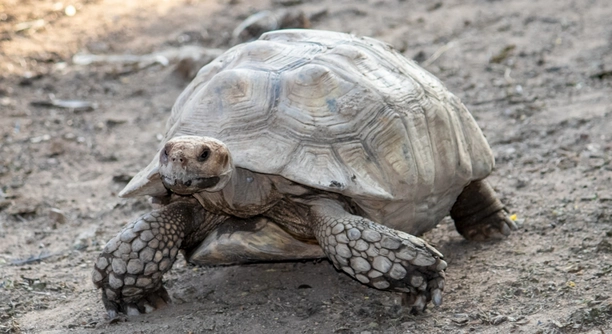
Tortoises are wonderful pets, but they require special care to stay healthy. Without proper attention, they can face serious health issues. Understanding the common mistakes that affect their well-being can help you avoid unnecessary problems.
Several mistakes can harm your tortoise’s health, such as improper diet, inadequate lighting, lack of space, and exposure to extreme temperatures. These factors contribute to various health problems, from malnutrition to shell deformities. It’s crucial to address these issues.
Correcting these mistakes will make a significant difference in your tortoise’s health. Understanding their needs and adjusting their care routine will help keep them happy and healthy for years.
Improper Diet and Feeding Habits
Feeding your tortoise the wrong foods can lead to serious health issues. Tortoises have very specific dietary needs based on their species, and failing to provide the right nutrition can cause problems like obesity, shell deformities, and digestive issues. Many owners make the mistake of feeding their tortoises too many high-protein foods or not enough fiber. It’s essential to provide a balanced diet of leafy greens, vegetables, and occasional fruits. Be sure to avoid feeding them human food or processed items that can be harmful. You should also ensure that your tortoise has access to fresh water at all times.
Inadequate nutrition can directly affect your tortoise’s growth, shell development, and overall health. Offering the right variety of food will promote strong bones, good digestion, and a well-maintained shell. Overfeeding can lead to obesity, so it’s important to pay attention to portion sizes.
Taking the time to research your tortoise’s specific dietary needs will help you avoid these common mistakes. Tailoring their diet to meet their species’ requirements ensures they thrive.
Inadequate Lighting and Temperature
Tortoises rely on UVB lighting for proper shell growth and overall health. Without proper exposure, they can develop metabolic bone disease and other issues. If you don’t provide the correct lighting setup, they will lack the ability to absorb calcium properly, leading to weakened bones.
A heat lamp is also necessary to maintain the proper temperature in your tortoise’s environment. Too cold, and your tortoise’s metabolism slows down, which can affect digestion and activity levels. Too hot, and they may become stressed or dehydrated. Make sure the habitat includes a basking spot with the right temperature and UVB light for at least 10-12 hours daily.
Providing a controlled environment with appropriate lighting and temperature ensures your tortoise remains active and healthy. Over time, these adjustments will have a positive impact on their behavior, energy levels, and long-term health.
Insufficient Space
Tortoises need enough space to roam, stretch, and explore. Keeping them in too small of an enclosure can cause stress, anxiety, and a decline in their physical health. Make sure the enclosure is large enough for them to move freely and engage in natural behaviors.
A cramped environment limits your tortoise’s ability to exercise, which is crucial for its health. It can also lead to behavioral issues such as aggression or lethargy. A larger enclosure provides more room for your tortoise to explore, keeping them physically and mentally stimulated.
The size of your tortoise’s habitat plays a big role in their overall health. A spacious environment encourages natural behaviors and provides ample opportunities for movement, which is essential for their well-being.
Poor Hygiene and Dirty Enclosures
Regular cleaning is vital for preventing the buildup of bacteria and mold in your tortoise’s environment. Not cleaning their enclosure frequently can lead to infections, skin problems, or respiratory issues. Make sure to remove waste daily and clean the entire habitat regularly.
A clean living space helps reduce the risk of parasites and ensures your tortoise’s health. Dirty environments can lead to odors, mold growth, and bacteria, which can make your tortoise sick. Keeping the enclosure clean and dry will reduce these risks significantly, creating a healthier space.
A spotless environment is key to your tortoise’s well-being. Cleaning regularly helps prevent the spread of disease and keeps their living conditions hygienic and comfortable.
FAQ
What should I feed my tortoise?
A proper diet is essential for a tortoise’s health. Tortoises mainly eat leafy greens like kale, dandelion greens, and collard greens. Avoid feeding them too much fruit as it can be high in sugar. Depending on the species, some tortoises may eat flowers, grasses, and other plants. Be sure to research your specific tortoise species for their dietary needs to prevent malnutrition.
How often should I feed my tortoise?
Most adult tortoises should be fed once a day, while younger tortoises may require feeding twice a day due to their faster metabolism. Make sure to provide a varied diet and offer fresh food daily. Clean up any uneaten food to avoid spoilage and bacteria buildup.
Do tortoises need water?
Yes, tortoises need access to clean water at all times. They drink and also soak in the water to help with hydration and digestion. Depending on your tortoise’s species, they may require shallow water to soak in, so make sure the water dish is big enough but not too deep to avoid drowning.
Can tortoises live outdoors?
Yes, tortoises can live outdoors if the climate is appropriate for their species. They need a secure outdoor enclosure that protects them from predators, extreme temperatures, and escape. Be sure the enclosure is free of hazardous plants or chemicals and that the tortoise has access to shade and fresh water.
How long can a tortoise live without food?
Tortoises can survive for a few weeks without food, depending on their age, size, and species. However, it is not recommended to withhold food for long periods as it can lead to malnutrition, weakness, and other health problems. Always aim to provide a steady supply of fresh food for your tortoise.
Can I feed my tortoise lettuce?
You can feed your tortoise lettuce, but only in moderation. Leafy greens such as romaine lettuce are okay for them but shouldn’t make up the majority of their diet. Avoid iceberg lettuce, as it has little nutritional value and can cause digestive issues. Always provide a variety of greens for balanced nutrition.
How do I know if my tortoise is dehydrated?
Signs of dehydration in tortoises include lethargy, dry skin, and sunken eyes. They may also stop eating or have trouble walking. If you suspect dehydration, make sure they have access to fresh water and consider soaking them in shallow water for 10-15 minutes. If symptoms persist, consult a vet.
Is it normal for my tortoise to sleep a lot?
Yes, it is normal for tortoises to sleep for extended periods, especially during colder months. However, if your tortoise seems excessively lethargic, refuses to eat, or shows other signs of illness, it could be a sign of health issues. In such cases, seek advice from a reptile vet.
Can I handle my tortoise?
Yes, you can handle your tortoise, but it should be done gently and with care. Avoid picking them up by their shell, as this can cause stress and injury. Instead, scoop them from the bottom with both hands. Limit handling to short sessions to prevent causing anxiety or stress.
How do I keep my tortoise’s shell healthy?
A healthy shell is a result of proper diet, UVB lighting, and a well-maintained environment. Provide calcium-rich foods, regular access to UVB light, and a clean, dry habitat. Ensure your tortoise has enough space to move around and exercise, as this promotes shell growth and prevents deformities.
Why is my tortoise not eating?
Loss of appetite in tortoises can be caused by a variety of factors such as stress, illness, or environmental changes. Check if the temperature and lighting are correct, and make sure your tortoise has a proper diet. If the problem persists, consult a veterinarian to rule out any health issues.
How do I clean my tortoise’s enclosure?
Regular cleaning is crucial for your tortoise’s health. Clean the enclosure by removing waste and uneaten food daily. Deep clean the habitat at least once a week using a mild reptile-safe disinfectant. Make sure to dry the enclosure thoroughly to prevent mold or bacteria growth.
Do tortoises need companionship?
While tortoises are generally solitary creatures, some species may benefit from having a companion. However, introducing another tortoise to an enclosure can lead to territorial behavior or stress. It’s best to carefully research your tortoise species’ behavior and monitor their interactions if you decide to house them together.
Why is my tortoise’s shell soft?
A soft shell can indicate a calcium deficiency, poor lighting, or inadequate diet. Ensure that your tortoise has access to UVB lighting and is consuming calcium-rich foods. If the problem persists, it may be a sign of metabolic bone disease, and you should consult a vet for further diagnosis.
Can tortoises climb?
Some species of tortoises are better climbers than others, but most are not known for their climbing abilities. If you have a tortoise in an outdoor enclosure, make sure the walls are high enough to prevent them from escaping. Tortoises are generally more focused on foraging and digging.
Should I give my tortoise a bath?
Giving your tortoise a bath can help with hydration and cleanliness. Soak your tortoise in lukewarm water for 10-15 minutes a few times a week, especially if they are not drinking enough. This helps promote hydration and can also aid in digestion.
Final Thoughts
Taking care of a tortoise requires attention, patience, and understanding of its specific needs. From providing the right diet to ensuring a proper living environment, each aspect plays a vital role in maintaining your tortoise’s health. By avoiding common mistakes, you can help your pet thrive and live a long, healthy life. It’s important to remember that tortoises are not high-maintenance pets, but they do require consistent care and observation to stay in good condition.
If you’re new to tortoises, learning about their needs and behaviors is essential for their well-being. Start by setting up a suitable habitat with enough space, proper temperature, and appropriate lighting. Regularly check their diet to ensure it’s balanced and tailored to their species. Also, be mindful of hygiene by cleaning their enclosure regularly and checking for any signs of illness. While tortoises are generally hardy animals, small mistakes can quickly add up, so it’s better to be proactive in caring for them.
In the end, the key to a healthy tortoise is understanding and consistency. With proper care, your tortoise can become a rewarding pet, bringing you joy and companionship for many years. Don’t be afraid to seek advice from a vet or expert if you ever have concerns. By staying informed and attentive to your tortoise’s needs, you ensure its well-being and happiness.

Hello,
If you enjoy the content that we create, please consider saying a "Thank You!" by leaving a tip.
Every little bit helps us continue crafting quality advice that supports the health, happiness, and well-being of pets around the world, for pets of all shapes, sizes, and species.
We really appreciate the kindness and support that you show us!